


Environmental health crisis in Nigerian slums: Lessons from Makoko, Lagos

 Quick Read
Across Nigeria’s rapidly growing cities, informal settlements, home to millions face an unrelenting environmental health crisis.
Omolola E. Badmus
Across Nigeria’s rapidly growing cities, informal settlements, home to millions face an unrelenting environmental health crisis.
Crowded conditions, limited sanitation, polluted water, and poor waste disposal create a toxic mix that fuels preventable diseases and deepens poverty. These challenges strain families and communities, costing lives and livelihoods in places often overlooked by policymakers.
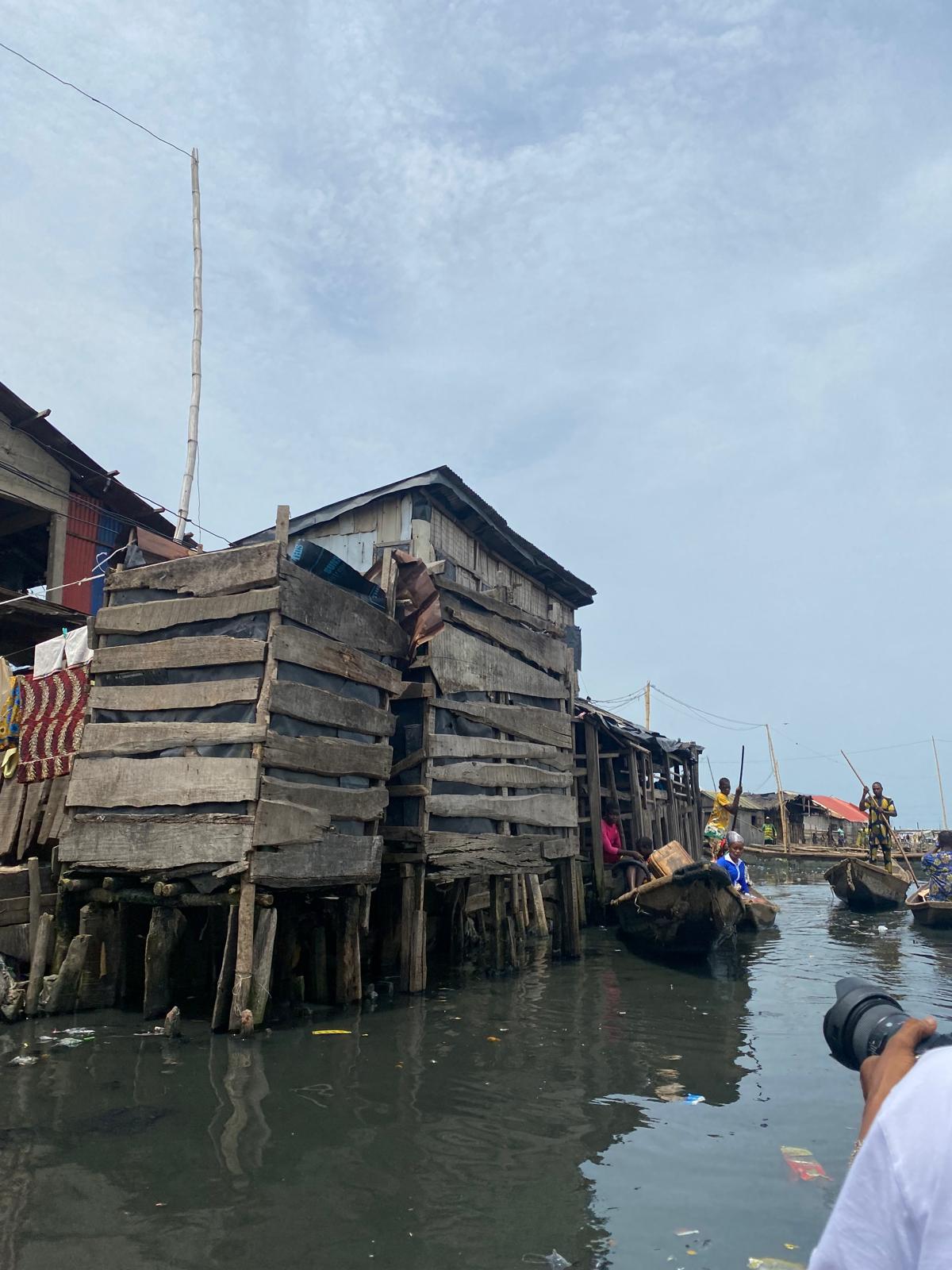
Among these settlements, Makoko stands out as a stark example. This lagoon-side community on the edge of Lagos lives literally on water, with homes perched on stilts above a polluted and increasingly hazardous environment. Here, clean drinking water is a luxury many cannot afford, and open drains filled with sewage snake through narrow alleyways, dumping waste directly into the lagoon.
Health workers report alarming rates of waterborne diseases in Makoko.
Surveys show that in some areas, over 40% of children under five suffer from illnesses like cholera and typhoid every year. Respiratory infections are also common, worsened by the burning of waste and close living quarters.
Climate change is making the situation worse. Frequent heavy rains flood the settlement multiple times annually, spreading contaminants and making it difficult to keep living spaces clean. Rising temperatures speed up bacterial growth in stagnant water, increasing the risk and frequency of disease outbreaks. Yet, reliable data on pollution levels and health impacts remain scarce, this is a reflection of the broader transparency and governance challenges in addressing slum conditions.
Efforts to improve conditions in Makoko and similar communities exist but often fall short of what’s needed. Government and NGOs have launched clean-up drives and sanitation projects, but these are frequently underfunded, fragmented, and lack long-term planning. Environmental safety assessments are rarely conducted before relocation or upgrading, meaning risks persist even as the city attempts to grow.
Environmental health is not a side issue it is a foundation for dignity, safety, and economic opportunity. Without access to clean water, effective waste management, and flood control, slum residents remain trapped in cycles of illness and poverty.
A coordinated response is essential. Government agencies must enforce environmental standards and embed health risk assessments into all urban planning decisions. Private sector actors need to prioritize sustainable infrastructure investment. NGOs can support with community education and mobilization, ensuring residents’ voices and knowledge shape solutions.
Makoko’s story is a warning and a challenge for Nigeria’s urban future. If environmental hazards in slums are ignored, the costs will be paid in human suffering and lost potential.
By committing to large and small scale remediation and embedding environmental safety into all stages of urban planning, Nigeria can protect its most vulnerable populations and set a benchmark for inclusive development.
The lessons from Makoko highlight the importance of immediate action, and the benefits of building cities where every resident can live in conditions that promote health, stability, opportunity, and a better quality of life for generations to come.
Omolola E. Badmus is an accomplished environmental remediation scientist with advanced expertise in pollution control, site restoration, and sustainable environmental management.
With a Master’s degree in Environmental Science, she works to preserve natural resources and strengthen public health through practical, research-backed solutions.
Comments