


Trump pushes for Ukraine ceasefire, plans trilateral meeting with Zelensky, Putin

 Quick Read
“Now it’s really up to President Zelensky to get it done,” Trump said in the interview, emphasizing that a meeting between the three leaders would be arranged soon.
By Kazeem Ugbodaga
Following a high-stakes summit with Russian President Vladimir Putin at Joint Base Elmendorf-Richardson in Anchorage, Alaska, U.S. President Donald Trump has shifted the focus to Ukrainian President Volodymyr Zelensky, urging him to take the lead in securing a ceasefire to end the ongoing war in Ukraine.
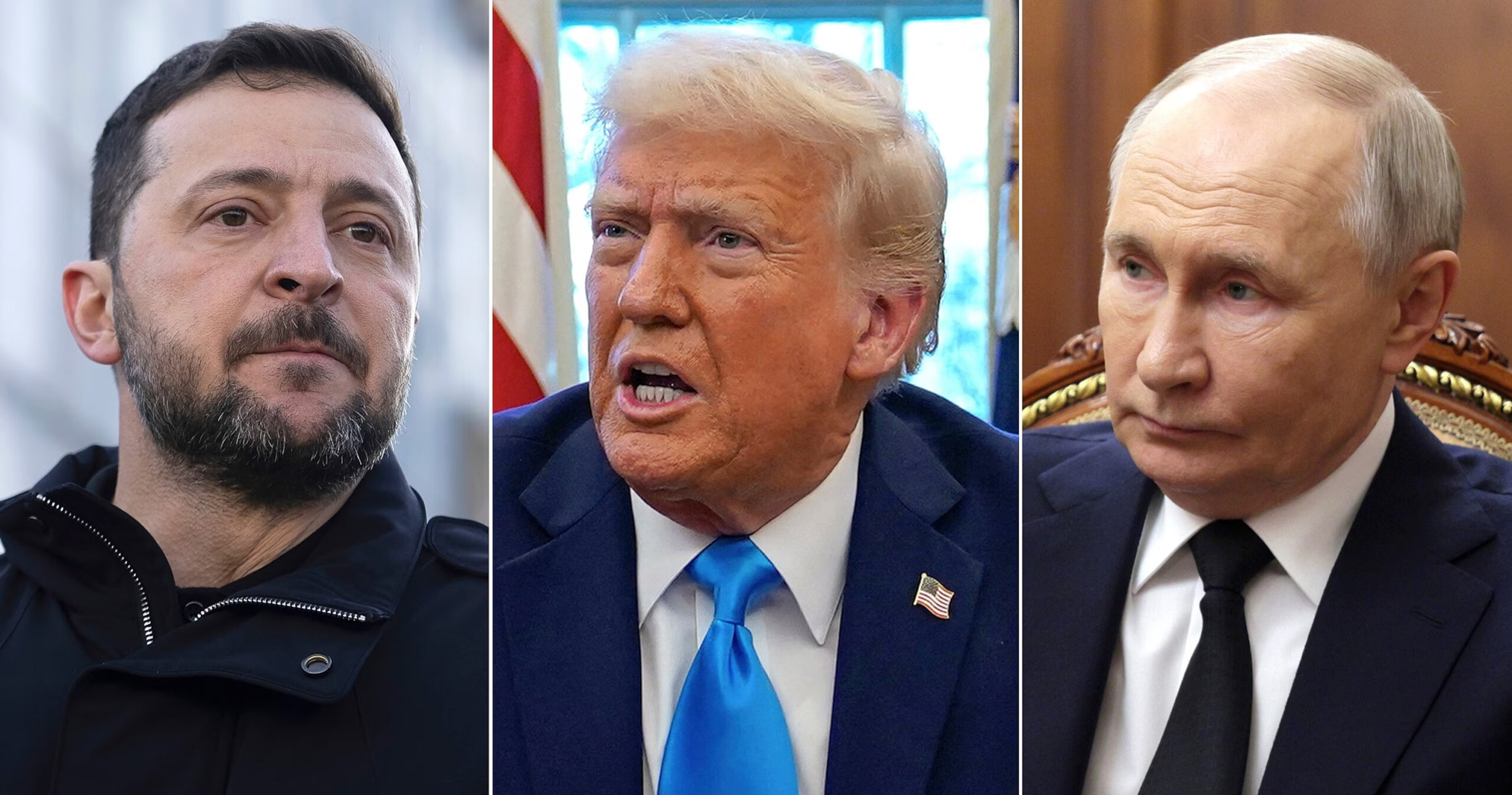
In a Fox News interview after the summit, Trump announced plans for a trilateral meeting involving himself, Zelensky, and Putin, signaling a potential escalation in diplomatic efforts to resolve the conflict that has ravaged Ukraine since Russia’s invasion in February 2022.
“Now it’s really up to President Zelensky to get it done,” Trump said in the interview, emphasizing that a meeting between the three leaders would be arranged soon.
“They’re going to set up a meeting now between President Zelensky and President Putin and myself, I guess.”
While Trump declined to specify the unresolved issues blocking a ceasefire agreement, he expressed optimism about the process, stating, “I want to make sure it gets done, and we have a pretty good chance of getting it done.”
The Anchorage summit, which marked the first in-person meeting between Trump and Putin since 2019, ended without a ceasefire deal, despite nearly three hours of closed-door discussions.
Both leaders described the talks as productive, with Trump rating the summit “a 10 out of 10” for the rapport established, and Putin suggesting that the discussions could “pave the way for peace in Ukraine.”
However, the absence of concrete progress and Zelensky’s exclusion from the talks have raised concerns among Ukraine’s allies, particularly in Europe, where leaders have stressed that no decisions about Ukraine’s future should be made without Kyiv’s involvement.
A Contentious Summit and Zelensky’s Exclusion
The summit, held on August 15, 2025, was marked by carefully orchestrated pageantry, including a red-carpet welcome and a joint ride in the U.S. presidential limousine, “The Beast.”
Yet, the warm reception for Putin, who faces an International Criminal Court arrest warrant for war crimes in Ukraine, drew sharp criticism.
The Kyiv Independent condemned the event as “sickening, shameful, and useless,” highlighting Trump’s contrasting treatment of Zelensky, whom he publicly criticized during a February meeting at the White House.
Democratic Senator Richard Blumenthal called the warm greeting “a disgrace,” noting that “Vladimir Putin is a war criminal” responsible for ongoing attacks on Ukrainian civilians.
Zelensky, sidelined from the Anchorage talks, has repeatedly insisted on Ukraine’s inclusion in any negotiations, adhering to the principle of “nothing about Ukraine without Ukraine.”
In a virtual meeting with Trump and European leaders on August 13, Zelensky secured assurances that Russia must commit to a ceasefire and provide security guarantees before peace talks can proceed.
German Chancellor Friedrich Merz, speaking alongside Zelensky in Berlin, warned that allowing Russia to retain occupied Ukrainian territory could embolden Putin to target other nations, threatening European security and democracy.
Mixed Signals and Ongoing Violence
Trump’s push for a ceasefire comes amid conflicting statements about the terms of a potential deal. Earlier this week, he suggested there could be “some land swapping” between Russia and Ukraine, a proposal Zelensky firmly rejected, citing Ukraine’s constitution, which prohibits ceding territory.
Putin, who controls nearly 20% of Ukraine, including Crimea and parts of four eastern regions, has demanded that Kyiv withdraw from remaining territories in those areas and abandon NATO membership aspirations, conditions Ukraine deems unacceptable.
The summit followed a wave of violence, with Russian drone strikes killing seven civilians and injuring 17 across Ukraine overnight, and Ukrainian strikes injuring 12 in Russia’s Kursk and Belgorod regions. These attacks underscored the challenges of achieving a ceasefire while battlefield dynamics continue to shift. Ukraine reported retaking several villages as Putin arrived in Alaska, while Russia claimed recent territorial gains.
European Skepticism and Domestic Divisions
European leaders expressed skepticism about Putin’s intentions, with Lithuania’s Defense Minister Dovile Sakaliene accusing him of “gaslighting and veiled threats” after he warned Ukraine and Europe not to “sabotage” progress.
Czech Foreign Minister Jan Lipavsky questioned Putin’s commitment to peace, pointing to ongoing Russian attacks. In the U.S., a Pew Research Center survey conducted August 4-10 revealed that 59% of Americans lack confidence in Trump’s ability to make wise decisions on the Ukraine conflict, with 33% believing he favors Russia too much.
Despite the lack of a deal, Trump remained upbeat, describing the summit as “extremely productive” and hinting at “many points” of agreement, though he provided no specifics. Putin, in a brief press conference, echoed the positive tone, suggesting a follow-up meeting in Moscow—a proposal Trump said he might consider despite anticipating “a little heat” for it.
What’s Next?
As Trump prepares to engage Zelensky and NATO allies in the coming days, the proposed trilateral meeting could mark a critical juncture in the war’s trajectory.
However, with Putin’s demands clashing with Ukraine’s red lines and ongoing violence complicating negotiations, the path to peace remains fraught.
Zelensky, under pressure to defend Ukraine’s sovereignty, has called for increased U.S. and European sanctions on Russia if the talks falter, warning that Putin “will not be able to deceive anyone.”
Comments