


Digital Economy: What Naira Card revival means for local businesses

 Quick Read
Major banks such as GTBank and UBA confirmed the update in July 2025, allowing Nigerians to make global payments directly using their naira cards once again.
Femi Fabunmi
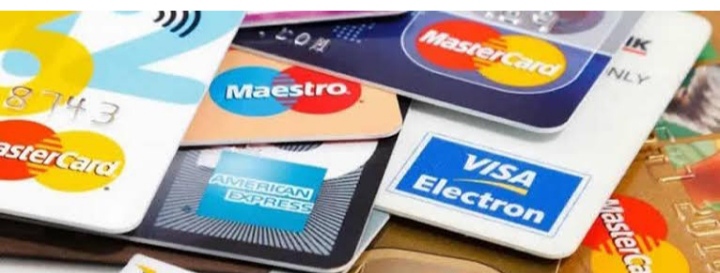
Nigerian banks have resumed international transactions on naira-denominated debit cards after a three-year suspension, marking a major turning point for the country’s digital economy.
Major banks such as GTBank and UBA confirmed the update in July 2025, allowing Nigerians to make global payments directly using their naira cards once again.
The suspension began in 2022 due to a severe foreign exchange (forex) crisis, which had forced banks to cut spending limits drastically from $100 per month to just $20 before halting international payments entirely.
With improved forex reserves and a more stable naira, banks are now reintroducing international card use with spending limits.
GTBank, for example, has set a quarterly limit of $1,000, while platinum customers may access up to $4,000.
This reactivation is expected to unlock new opportunities in Nigeria’s fast-growing digital economy, valued at over $8 billion and growing at 18% annually.
Businesses can now pay for international services such as software subscriptions, e-commerce platforms, and online advertising tools without relying on complex workarounds.
The gambling industry, valued at over $2 billion, is set for dramatic change. Local operators like Bet9ja and SportyBet had benefitted from the previous restrictions that made it difficult for Nigerians to access international platforms. Now, global betting companies like Bet365 can re-enter the Nigerian market directly, introducing stronger competition.
This creates challenges for domestic companies, as international rivals often offer more advanced features and broader betting options.
There’s also concern about tax compliance. While Nigerian gambling companies are closely monitored by the National Lottery Regulatory Commission and pay local taxes, international platforms may operate outside these rules.
This could lead to loss of government revenue from one of Nigeria’s most lucrative sectors.
Beyond gambling, digital advertising and customer acquisition are expected to benefit.
Businesses can now access essential marketing tools like Google and Facebook ads without needing foreign currency workarounds. Smaller Nigerian companies can better compete globally, using the same tools that international brands rely on for campaign tracking and customer targeting.
Programmatic advertising, affiliate marketing, and data analytics all previously limited by payment restrictions can now grow rapidly. Companies like Pisi, a Nigerian adtech firm, are well positioned to provide integrated solutions to businesses eager to expand their reach both locally and internationally.
Still, challenges remain. The spending limits, while helpful, may not be enough for larger businesses running major ad campaigns or international operations. Careful financial planning and compliance with Central Bank regulations will be critical. There’s also a need for better monitoring systems to track spending across cards and accounts.
This revival of international naira debit card use is more than just a banking update it’s the start of a new chapter in Nigeria’s digital future. As industries like fintech, gambling, and adtech become more connected, companies that can move quickly, innovate, and integrate their operations across payments, marketing, and technology will lead the way.
The door is open. Now, it’s up to Nigerian businesses to step through and take full advantage of the digital opportunities ahead.
Gabriel Ferrer is the Chief Operating Officer at Pisi, a Nigerian adtech company creating solutions that connect global technologies with local needs.
Comments