


Lagos steps up campaign to eliminate mother-to-child HIV, mobilises birth attendants

 Quick Read
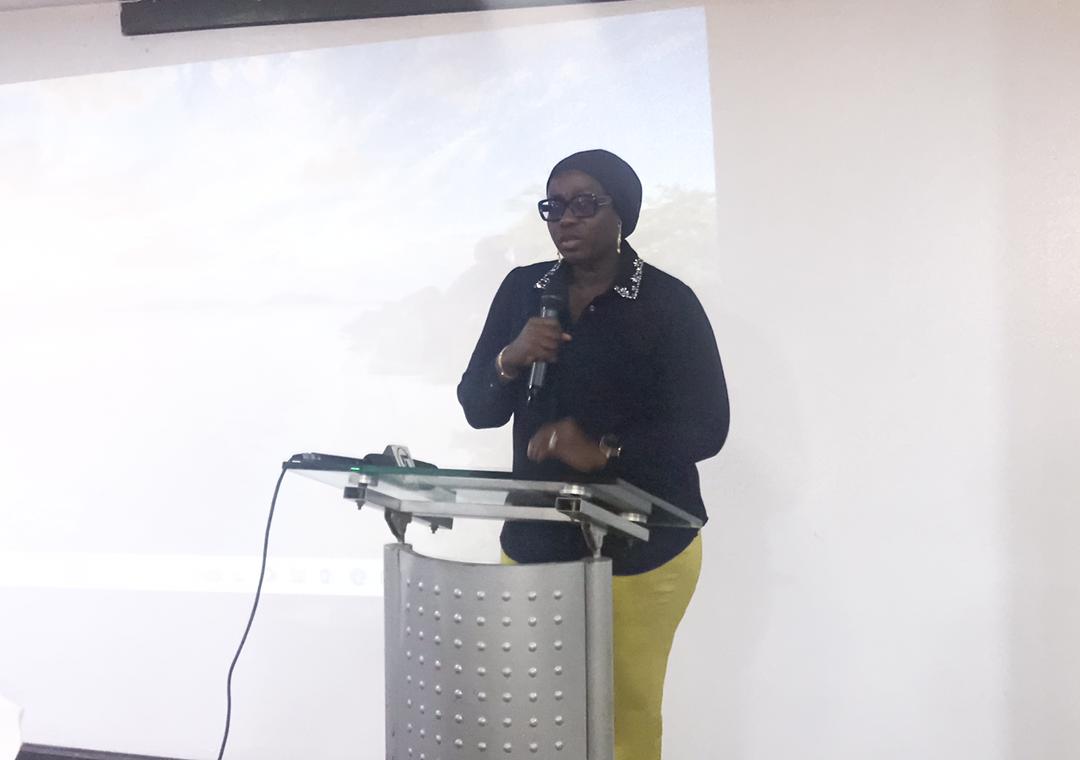
Speaking at the event, LSACA Chief Executive Officer, Dr. Folakemi Animashaun, emphasised that TBAs remain critical to healthcare delivery at the community level.
The Lagos State Government has stepped up its campaign to eliminate mother-to-child transmission of HIV, with a renewed focus on grassroots health providers who play a vital role in maternal care.
Through the Lagos State AIDS Control Agency (LSACA), the government convened a two-day sensitisation programme for Traditional Birth Attendants (TBAs), equipping them with practical knowledge and safe delivery skills to reduce the risk of HIV transmission during childbirth.
The training, held at the Lagos Chamber of Commerce and Industry (LCCI), brought together TBAs from across the state, selected in collaboration with the Lagos State Traditional Medicine Board and community leaders.
Speaking at the event, LSACA Chief Executive Officer, Dr. Folakemi Animashaun, emphasised that TBAs remain critical to healthcare delivery at the community level.
She noted that many expectant mothers first seek care and guidance from TBAs before visiting formal health facilities, making their role indispensable in efforts to achieve an HIV-free generation.
“You are not just birth attendants; you are community leaders, counsellors, and protectors of life. The trust women place in you gives you enormous influence over their health decisions,” Dr. Animashaun told participants.
She urged TBAs to prioritise universal safety precautions such as proper sterilisation, consistent use of protective equipment, and prompt referral of HIV-positive mothers to appropriate health facilities.
According to her, safe practices during childbirth are crucial in preventing mother-to-child transmission, a major pathway for new HIV infections.
Dr. Animashaun explained that the grassroots selection process ensures accountability and sustainability of the initiative.
“We work with traditional structures to identify participants, track their impact, and gather feedback. This way, the programme remains rooted in the very communities it is designed to serve,” she said.
Another facilitator, Mrs. Anuyimika Akinola, reiterated that every child deserves the right to be born free of HIV. She urged TBAs to maintain professionalism and confidentiality, warning against unlawful disclosure of clients’ HIV status.
Participants described the training as a valuable intervention. One of them, Mrs. Ayenigba Elizabeth, praised the government’s efforts, saying the knowledge gained would help TBAs adopt best practices during childbirth.
“We are better equipped to prevent HIV transmission and improve the health outcomes of mothers and babies. I will apply all I have learnt here in my work,” she assured.
Comments