


Poor menstrual hygiene linked to teen pregnancy, anaemia — FG

 Quick Read
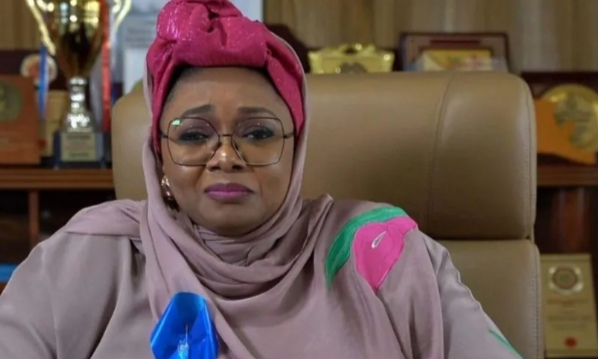
This was disclosed by the Minister of Women Affairs and Social Development, Imaan Sulaiman-Ibrahim, during the validation and adoption of Nigeria’s first National Policy on Menstrual Health and Hygiene Management.
The Federal Government has expressed concern over the increasing rate of teenage pregnancy in Nigeria, revealing that 15 percent of girls between the ages of 15 and 19 are either already mothers or currently pregnant.
This was disclosed by the Minister of Women Affairs and Social Development, Imaan Sulaiman-Ibrahim, during the validation and adoption of Nigeria’s first National Policy on Menstrual Health and Hygiene Management.
The minister was represented by the Permanent Secretary of the ministry, Maryam Keshinro.
According to the minister, poor menstrual hygiene and the lack of access to affordable sanitary products are contributing factors to wider health challenges faced by adolescent girls.
She also stated that more than 7.3 million adolescent girls and women in Nigeria suffer from undernutrition, with 55 percent affected by anaemia.
Sulaiman-Ibrahim described the new menstrual health policy as a significant achievement, adding that menstruation is a natural biological process that should not lead to shame, stigma, or financial hardship.
She praised President Bola Tinubu for approving tax waivers on sanitary products, describing it as a sign of the administration’s commitment to addressing gender and health issues.
“Women aged 15 to 49 represent about 25 to 30 percent of Nigeria’s population,” she said.
“It is essential that menstruation does not become a barrier to their rights, education, or opportunities.”
Also speaking at the event, Fifi Ogbondeminu, acting country representative of Population Services International (PSI) Nigeria, called for menstrual health to be treated as a human rights and development issue.
She said the newly adopted policy marks an important step in ensuring that menstruation is approached with dignity, empathy, and urgency.
The National Policy on Menstrual Health and Hygiene aims to improve access to menstrual products, promote education, and reduce the stigma surrounding menstruation, particularly among adolescent girls.
In addition, the federal government has emphasized that addressing menstrual health is key to reducing teenage pregnancy and improving overall well-being among adolescent girls.
Officials say successful implementation of the new policy will require strong collaboration between government agencies, health partners, and communities.
Comments