


Lagos shuts 32 illegal health facilities, warns hospitals against Auxiliary Nurses

 Quick Read
“A hospital must be run by qualified doctors and nurses. We do not allow one doctor to handle everything from eyes to dental care. Clinics, for example, are not supposed to operate 24 hours. We expect all facilities to display their registration certificates visibly so that patients can easily verify them,” Olusanya explained.
By Kazeem Ugbodaga
The Lagos State Government has vowed to intensify its crackdown on illegal health practices, warning that hospitals employing unqualified personnel or operating without proper accreditation risk immediate closure.
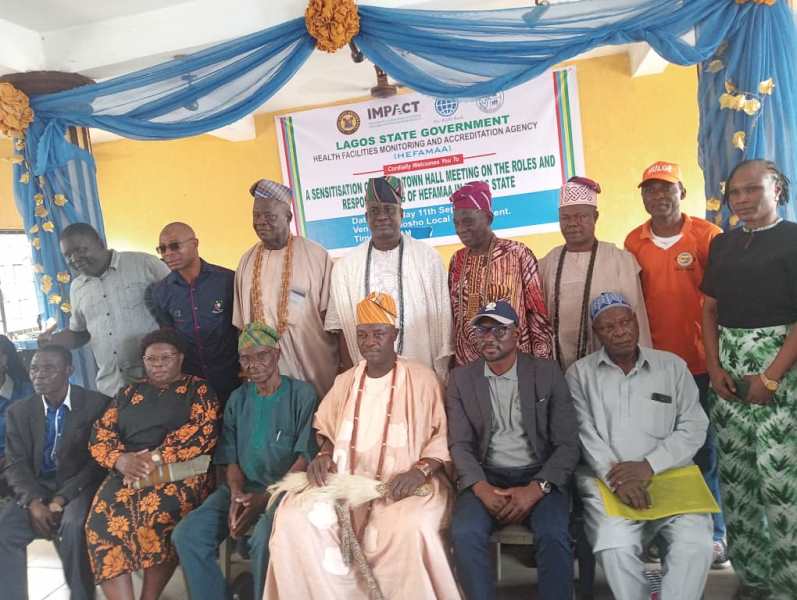
The Permanent Secretary of the Health Facility Monitoring and Accreditation Agency (HEFAMAA), Dr. Abiola Idowu, issued the warning during a sensitisation campaign and town hall meeting held in Alimosho Local Government on Thursday.
Idowu, who was represented by Dr. Olonire Olufemi, Head of Research and Statistics, explained that the outreach was organised to educate residents on HEFAMAA’s responsibilities, including registration, routine monitoring, and the issuance of official signage to help communities identify government-accredited health facilities.
“We observed that many people do not know what HEFAMAA is doing. That is why we brought this campaign to Alimosho. People must know how to identify accredited health facilities and where to seek quality care,” she said.
A central feature of HEFAMAA’s new innovations is the introduction of a QR Code system in health facilities. With a simple smartphone scan, patients can verify whether a facility is registered, check its ranking, and even send feedback, positive or negative, directly to the Lagos State Government.
On the issue of auxiliary nurses, Idowu stressed that their use in health facilities remains prohibited under Lagos law.
“Auxiliary nurses have no formal training or certification. They pose serious risks to patients because they are not qualified to provide medical care. Any facility caught using or training auxiliary nurses will be shut down and sanctioned heavily,” she warned.
Idowu further noted that infractions such as operating without HEFAMAA registration, lacking essential medical equipment, or maintaining poor environmental standards would attract closure.
“Between January and June 2025, we sealed about 32 health facilities for such violations,” she disclosed.
Also speaking at the event, Mr. Richard Olusanya, Chief Nutrition Officer at HEFAMAA, traced the agency’s establishment to the 2006 health sector reform.
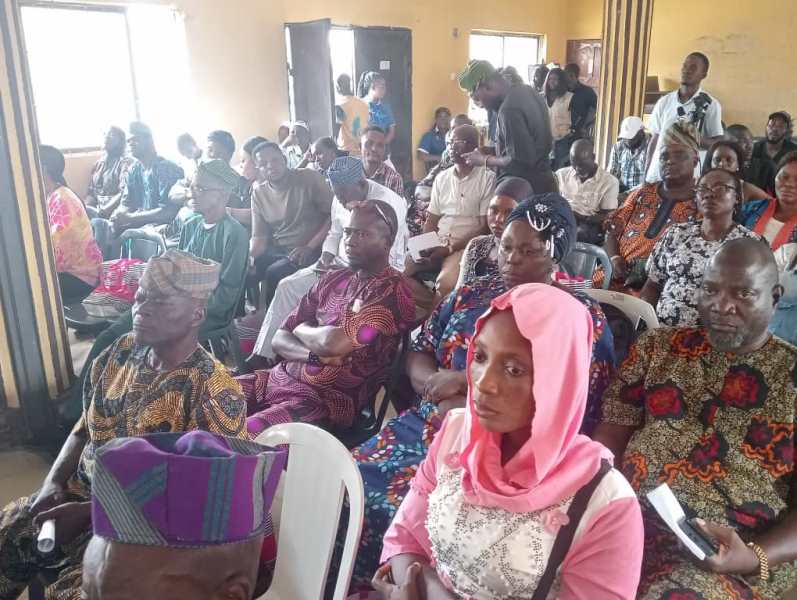
He emphasised that HEFAMAA sets strict standards for equipment, qualified personnel, and environmental hygiene before granting accreditation.
“A hospital must be run by qualified doctors and nurses. We do not allow one doctor to handle everything from eyes to dental care. Clinics, for example, are not supposed to operate 24 hours. We expect all facilities to display their registration certificates visibly so that patients can easily verify them,” Olusanya explained.
He added that the QR Code system was designed to improve transparency and community involvement in health regulation.
“When you scan the code, you will see the facility’s name, owner, and location. You can also submit reports directly to HEFAMAA. We encourage residents to spread this information within their communities, markets, and associations,” he said.
The sensitisation campaign ended with a renewed appeal for Lagosians to always patronise accredited health facilities, report illegal practices, and take ownership of safeguarding their health rights.
Comments