


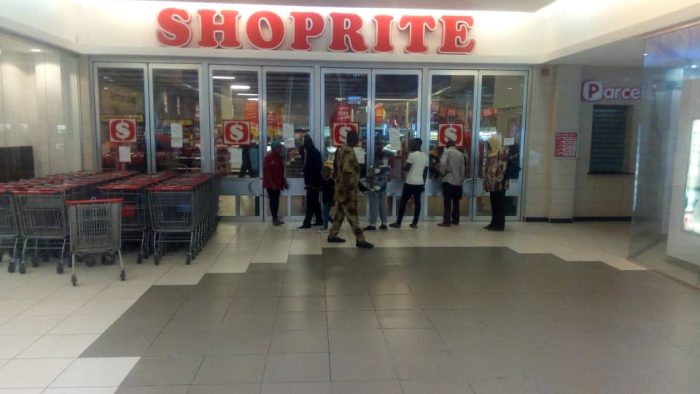
Why Shoprite’s shelves are empty

 Quick Read
While Shoprite and other South African brands like Game and Mr. Price were struggling, a new set of Nigerian brands quietly stepped up...
By Comrade Aghedo Kehinde Stephen
Walk into a Shoprite store in Lagos these days, and you’re likely to be greeted not by overflowing aisles of imported groceries but by shelves with more gaps than goods. For a retail giant that once represented the height of modern shopping in Nigeria, this emptiness speaks louder than words. It tells a bigger story; not just of a store struggling to stock its shelves, but of the shifting fortunes of foreign chains in Nigeria and the quiet but powerful rise of indigenous enterprises.
When Shoprite first arrived in Nigeria in 2005, it felt like a revolution. The bright lights, wide aisles, and international brands were a fresh breeze in a retail market long dominated by open stalls and small neighbourhood shops. For many middle-class Nigerians, a Saturday at Shoprite was more than just shopping. It was an experience, a taste of global modernity right in our backyard.
But the Nigerian economy is not for the faint-hearted. Exchange rate volatility, rising inflation, erratic power supply, and chronic port congestion have made import-dependent businesses like Shoprite struggle to keep their shelves stocked. Add high rent in shopping malls, many of them built in partnership with real estate developers who demand payment in dollars, and the South African retailer’s dream began to wither.
By 2020, Shoprite announced it was pulling out of Nigeria, selling its stake to a local franchise operator. The name remained, but the supply chain, variety, and customer experience have not been the same. The empty shelves we now see are the visible scars of that transition, and of the larger economic storm, Nigeria is weathering.
While Shoprite and other South African brands like Game and Mr. Price were struggling, a new set of Nigerian brands quietly stepped up. Justrite Superstores, founded in Ogun State, is spreading across the southwest like wildfire. Bokku Mart, another local retail chain, has also entered the scene with branches springing up in neighbourhoods once monopolized by the South African giant.
These homegrown businesses have something Shoprite struggled with- resilience and adaptability. They source more products locally, avoiding the worst of the foreign exchange crisis. They understand the Nigerian consumer’s pulse, the desire for convenience, affordability, and cultural familiarity. It is no longer necessary to fight through traffic to a mega-mall for groceries; Justrite and its peers are putting fresh bread, vegetables, and household goods within a short stroll of residential estates.
Shoprite isn’t alone in its struggles. We have watched other South African brands – Game, Mr Price, Woolworths, pack their bags and exit Nigeria. The market they entered with fanfare has humbled them. What they didn’t anticipate is that Nigeria’s economic weather is erratic, and foreign retailers that depend on imports are especially vulnerable.
Meanwhile, local entrepreneurs are learning, adapting, and thriving. The more the naira falls, the more their strategy of buying and selling Nigerian-made products pays off. The country’s economic turbulence, while painful for many households, has become fertile ground for indigenous players who can think locally, source locally, and sell affordably.
This cycle is not new. Years ago, United Africa Company (UAC) set up Mr. Bigg’s, a fast-food chain that ruled Nigeria’s quick-service restaurant scene. For a generation, a meal at Mr. Bigg’s was the ultimate treat. But complacency and an inability to adapt to changing consumer tastes saw its golden arches dim, making way for more agile competitors like Chicken Republic, Tantalizers, and a wave of boutique eateries.
Today, the pendulum is swinging again; this time from the global giants back to the local champions. Walk through Lagos, and you’ll notice the resurgence of “Amala joints.” Once seen as rough roadside canteens, many have repackaged themselves into neat, air-conditioned restaurants serving traditional delicacies with modern flair. They’re affordable, they’re familiar, and they speak to the soul of the average Nigerian. In an economy where imported cheese is now a luxury, amala, gbegiri, and ewedu feel like both comfort food and cultural pride.
Empty Shoprite shelves are not just about poor logistics or mismanagement. They reflect the deeper cracks in Nigeria’s economy, an overreliance on imports, volatile foreign exchange markets, and an often-hostile business climate for foreign investors. But within this crisis lies an opportunity: Nigerian entrepreneurs are rising, creating businesses that are closer to the people, more adaptable, and more in tune with our culture and wallets.
Perhaps the real lesson here is that Nigeria thrives most when Nigerians are allowed to build for Nigerians. UAC once showed us the way with Mr. Bigg’s. Justrite and Bokku Mart are showing us again today. And if you’re still worried about those empty supermarket shelves, take a walk to the nearest amala joint. You’ll find not just food, but also resilience served hot.
Comrade Aghedo Kehinde Stephen is the Convener Vanguard Libration
Comments