


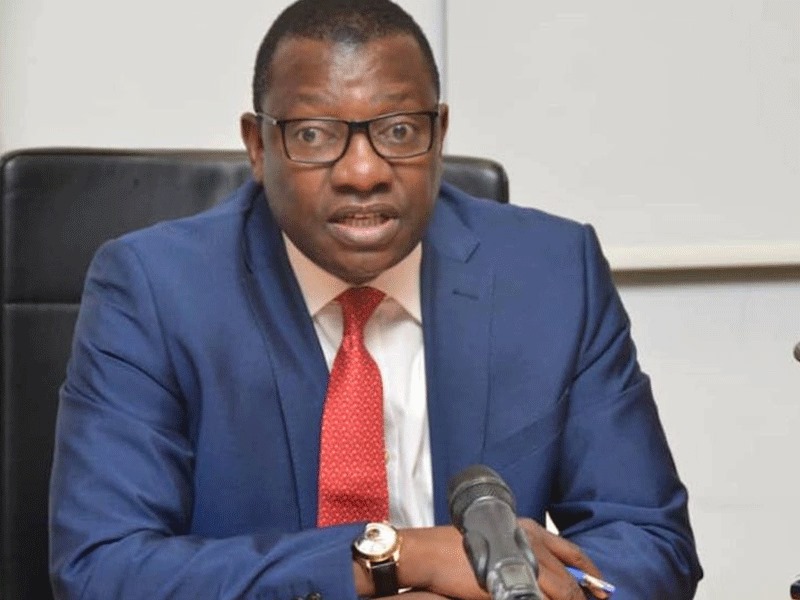
Bala Wunti: Navigating oil, reform and responsibility

 Quick Read
On a humid Lagos morning, a young commuter glances at a filling station and sighs in relief—no long queues. For many Nigerians, such moments are fleeting, but they capture the heartbeat of a country where fuel scarcity can dictate daily life.
By Prof. Adekunle Alli
On a humid Lagos morning, a young commuter glances at a filling station and sighs in relief—no long queues. For many Nigerians, such moments are fleeting, but they capture the heartbeat of a country where fuel scarcity can dictate daily life. Behind those shifts in fortune are technocrats like Bala Maijama’a Wunti, a man whose career has unfolded inside the stormy corridors of Nigeria’s oil and gas sector.
Unlike the politicians who dominate headlines, Wunti has spent his years in the shadows of public administration—drafting policies, negotiating contracts, and managing crises that often play out in the homes of millions. His career tells not just the story of one man, but of the struggle to bring order to a system many say resists change.
Colleagues recall his early days in NNPC’s Efficiency Unit, where he pushed to reduce waste in an organization that had long been accused of bloat. Later, during the fuel scarcity of 2016, he helped design models to balance supply and demand—an initiative credited with clearing queues and sparing the economy billions. For ordinary Nigerians, it meant less time spent waiting at petrol stations and more predictability in daily routines.
But his story is not only about figures on spreadsheets. When COVID-19 struck, Wunti’s office at the Nigerian Upstream Investment Management Services (NUIMS) became part of a wider industry effort to deliver hospitals and medical supplies across the country.
For health workers in remote states, those interventions were more than statistics—they were lifelines.
Away from the high-stakes negotiations, Wunti is known among peers as a quiet operator—more comfortable with data and policy charts than with cameras. His academic path took him from Abubakar Tafawa Balewa University to short courses at Harvard and Oxford, grounding him in global governance tools he often sought to apply back home.
Supporters call him a reformist; critics argue reforms under his watch have been partial, sometimes temporary. Both are correct. In many ways, his career illustrates the paradox of Nigeria’s oil industry: even when change happens, it is fragile, constantly tested by forces beyond one individual’s control.
For Nigerians, what matters most are the outcomes—fuel in their tanks, jobs in their communities, and accountability from those managing national assets. On that score, Wunti’s journey shows both promise and limitation.
As he continues his work, Bala Maijama’a Wunti represents the technocrat’s dilemma in Nigeria: to serve, to reform, and to hope that the changes will outlast the officeholder. His story reminds us that behind every policy are people—millions of citizens—waiting to feel the impact.
Alli, a research fellow writes in from Lagos
Comments