


Revealed: 70% of dogs in Nigeria require rabies vaccination

 Quick Read
“In Nigeria, estimates range from 1,000 to 2,000 human deaths each year, with tens of thousands more dog-bite exposures recorded; children under 15 are disproportionately affected.
By Felicia Imohimi
Livestock Management Services (LMS) says that interrupting rabies transmission requires 70 per cent of vaccination of dog population across Nigeria.
This, it says, is necessary because persistent gaps in coverage sustain outbreaks of the disease.
Dr Bala Muhammed, Director and Chief Executive Officer (CEO) of LMS revealed this in an interview with the News Agency of Nigeria (NAN) on Sunday in Abuja, in commemoration of the ‘World Rabies Day’.
World Rabies Day is commemorated annually on September 28 and the theme for 2025 is “Act Now: You, Me, Community”.
The day is celebrated to raise awareness about rabies prevention, and highlighting the importance of vaccination, as well as promote access to timely treatment.
It is also to commemorate Louis Pasteur who developed the first vaccine for rabies.
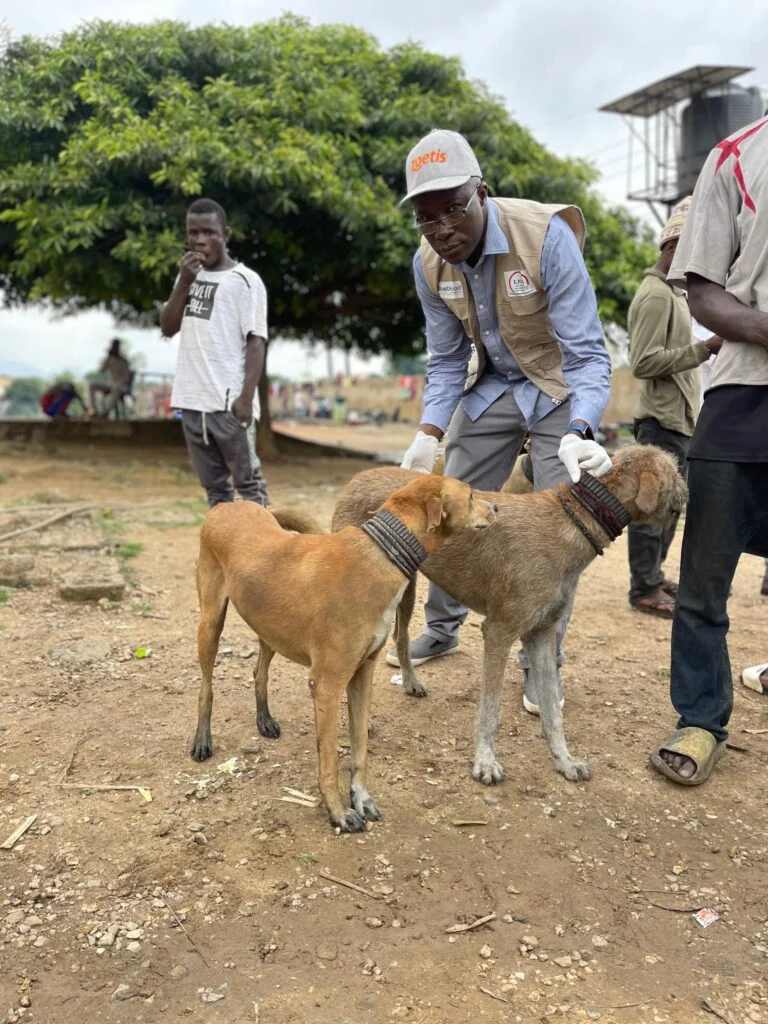
Muhammed said that over 99 per cent of human rabies infections were from hunting and free-roaming community dogs that contact wildlife and end up spreading rabies to domestic animals and people.
He emphasised that targeted vaccination of hunting and community dogs was therefore essential to mitigate outbreak of rabies.
He advocates for resource mobilisation by government, NGOs, community leaders, donors to fund free mass vaccination, mobile clinics, subsidise training of local vaccinators and map dog populations.
The CEO further called for school and neighbourhood education, enforcement of registration, as well as ensure access to Post‑Exposure Prophylaxis (PEP) to save lives and ensure protection of children.
According to him, globally, an estimated 59,000 people die from rabies annually; 99 per cent of human cases are dog-mediated. Africa accounts for roughly 21,000 deaths.
“In Nigeria, estimates range from 1,000 to 2,000 human deaths each year, with tens of thousands more dog-bite exposures recorded; children under 15 are disproportionately affected.
Speaking on the theme for the year, Muhammed called for collective responsibility across Nigeria, where rabies remains endemic.
He called for responsible pet ownership, including registration, confinement, and annual vaccination to protect families and livestock.
He noted that timely wound washing and rapid referral for PEP would save lives.
He added that PEP could be costly and logistically out of reach, but vaccinating dogs would prevent human suffering and reduce expensive PEP needed.
Comments