


Why Israel’s freed hostages may never fully recover

 Quick Read
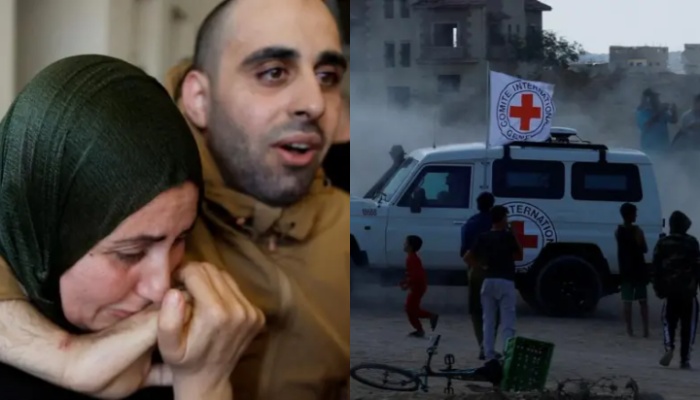
Israel’s last 20 surviving hostages released from Gaza may face lasting physical and psychological damage after more than 700 days in captivity, health experts have warned.
Israel’s last 20 surviving hostages released from Gaza may face lasting physical and psychological damage after more than 700 days in captivity, health experts have warned.
The men, aged between 21 and 48, were freed following the Gaza peace deal signed on Sunday. While their exact medical condition remains unclear, doctors say many are frail, malnourished, and deeply traumatized.
Israel’s Foreign Ministry confirmed that 24-year-old Alon Ohel lost sight in one eye due to injuries sustained while in captivity. Other freed hostages appeared emaciated, weak, and disoriented upon arrival at hospitals.
Medical experts treating them say recovery could take years, with some effects likely permanent.
“Captivity produces deep and long-lasting psychological, somatic, and functional injuries,” researchers wrote in a study on former prisoners of war from Israel’s 1973 Yom Kippur conflict. “Former captives carry their wounds for a very long time.”
One of the freed men, Avinatan Or, 32, who was taken alongside his girlfriend Noa Argamani from the Nova Festival, was reportedly held in near-total isolation for two years and lost almost half his body weight.
Another freed soldier, Matan Angrest, 22, endured “severe torture” and months of solitary confinement. His mother, Anat Angrest, told local media that her son “was alone for a long period, under special guard,” and had “refused to break for the monsters who kept him captive.”
Doctors have warned that the hostages’ bodies were pushed to their limits. Severe malnutrition has weakened their immune systems, damaged muscles, and caused extreme fatigue. The loss of subcutaneous fat has left many prone to wounds and infections, while vitamin and mineral deficiencies may have harmed their teeth and gums.
Those kept underground for long periods also suffered disrupted circadian rhythms, affecting sleep, digestion, hormones, and mental balance. Research links such conditions to heart rhythm disorders and even strokes.
Each survivor is now under the care of a team of doctors, nurses, psychologists, and social workers.
In a statement, the Hostages and Missing Families Forum said:
“The process does not end with release — it begins with it. After two years under inhumane conditions of starvation, isolation, and abuse, they need medical care, close supervision, and peace. Above all, they need to regain their identity as people, not as hostages.”
Comments