


OpenAI makes bold move over Martin Luther King Jr. depictions

 Quick Read
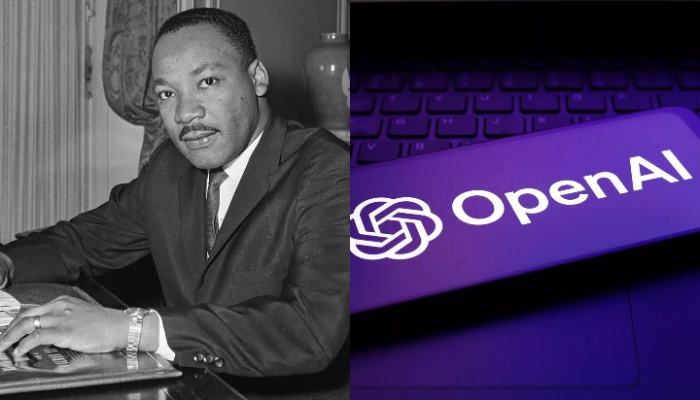
OpenAI has taken a decisive step concerning how the image of civil rights icon, Dr. Martin Luther King Jr., is used across its platforms, following rising concerns about the misuse of his likeness.
OpenAI has taken a decisive step concerning how the image of civil rights icon, Dr. Martin Luther King Jr., is used across its platforms, following rising concerns about the misuse of his likeness.
In a statement shared on X on Thursday, the company confirmed it had reached an understanding with the Estate of Martin Luther King Jr., Inc., to regulate how the late activist is represented in videos generated through its AI model, Sora.
OpenAI said it had “paused generations depicting Dr. King” while it strengthens safeguards around the portrayal of historical figures. The move, it explained, was made in consultation with Dr. Bernice A. King, King’s daughter, and the AI Ethics Council, to ensure dignity and respect in the use of the civil rights leader’s image.
“While there are strong free speech interests in depicting historical figures, OpenAI believes public figures and their families should ultimately have control over how their likeness is used,” the company stated.
The decision comes amid a broader review of how Sora, OpenAI’s advanced video-generation tool, handles real-world likenesses. The newest version of Sora, launched on September 30, can now create highly realistic videos complete with speech, sound effects, and physical accuracy, a feature that has drawn both excitement and ethical questions.
The company added that it is building stronger “guardrails” to ensure responsible AI use, especially concerning deceased or historical personalities.
OpenAI expressed appreciation to Dr. Bernice A. King, John Hope Bryant, and others for helping facilitate “meaningful conversations” on the issue.
Comments