


Nigeria and the crisis of self-PR: When a nation markets against itself

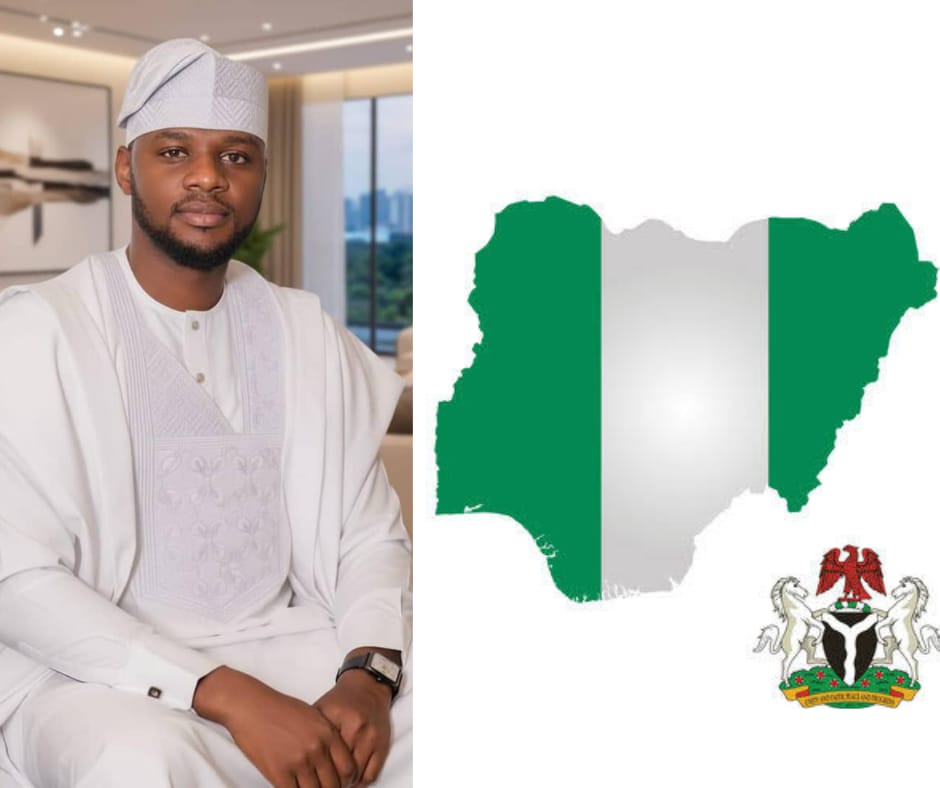
 Quick Read
A nation’s reputation is not built by its leaders alone, but by the words and attitudes of its people.
By Solomon Ogo-Oluwa Oyerinde
In the 21st century, every country is running a marketing campaign — not just through embassies or tourism boards, but through the voices of its people.
The words we speak about our country, the tone of our online conversations, and the way we tell our stories shape how the world sees us. Yet, while other nations project optimism, Nigerians too often broadcast despair.
It’s time we understand a simple truth: you cannot insult a nation into greatness.
Every Country Is Selling a Story
Every nation has its problems, but successful ones have mastered the art of storytelling. The United States built an empire around the “American Dream,” even during economic struggles. China sells discipline and innovation despite its internal limitations. Rwanda markets unity, order, and digital transformation. The UAE turned a desert into a global luxury destination through deliberate image-building.
They all face challenges, yet their citizens project pride, not pessimism. They understand that nation branding is national currency, and that reputation is often more valuable than resources. As I often say, “When you control your narrative, you control your destiny.”
The Nigerian Paradox: Marketing Against Ourselves
Nigeria’s biggest PR problem isn’t the media — it’s the mirror.
Too many Nigerians have become public relations officers of negativity.
On social media, we magnify our problems, mock our symbols, and repeat stereotypes that outsiders then use against us. It’s almost fashionable now to insult Nigeria.
But every time we do that, we are selling fear to investors, doubt to our youths, and hopelessness to the world.
A German Friend’s Shock
A friend from Germany once told me, “I heard Nigeria doesn’t even have a proper event venue for your Afrobeats stars.”
I smiled and asked him to check again.
I told him about Eko Convention Centre — hosting over 6,000 guests.
Teslim Balogun Stadium — with a capacity of 25,000.
Tafawa Balewa Square — up to 50,000 people.
Eko Expo Centre — a venue for international conferences and global award shows.
He was stunned. Days later, he said, “You were right. Nigeria has better facilities than I imagined.”
That conversation reminded me of something powerful: when you don’t tell your story, someone else will tell it for you — and they’ll tell it wrong.
Afrobeats: Our Global Success Story
Today, Nigerian artists are redefining global music. Wizkid sold out Tottenham Stadium and the O₂ Arena. Burna Boy filled Madison Square Garden. Davido performed at the World Cup. Tems became a Grammy winner. These are not random events — they are proof that Nigeria creates excellence at a world-class level.
Yet, many Nigerians barely celebrate these milestones. We talk about the concerts, but not what they represent: that Nigeria’s creative industry has become a global export.
As I often remind people, “Every success story from your homeland is a national advertisement — treat it like one.”
Good News Worth Sharing
If we look beyond frustration, there are countless stories that can shape global perception:
Technology: Nigerian fintech firms like Flutterwave, Paystack, and Interswitch are powering Africa’s digital economy.
Film: Nollywood, the world’s second-largest movie industry, now streams globally on Netflix and Amazon Prime.
Youth Innovation: Young Nigerians are building startups, fashion brands, and art movements that are transforming Africa’s narrative.
Sports: Tobi Amusan and Victor Osimhen are breaking records and raising our flag high.
Diaspora: Nigerians abroad are leading hospitals, universities, and corporations around the world.
These are not small wins — they are national marketing assets.
Federal Government Reforms Under President Bola Ahmed Tinubu
Nation branding isn’t just about culture — it’s also about policy. Under President Bola Ahmed Tinubu’s leadership, several bold steps are reshaping Nigeria’s image and potential:
Economic Reforms: The removal of fuel subsidy and exchange rate unification — difficult but necessary — are attracting investment and curbing waste.
Infrastructure Drive: Renewed focus on power, roads, and rail projects to unlock productivity.
Creative and Digital Economy: Recognizing arts, technology, and entertainment as vital export sectors.
Global Diplomacy: Renewed investor engagements positioning Nigeria as Africa’s business and innovation hub.
These are developments worth highlighting — not to ignore hardship, but to show balance and progress.
The Marketing Analogy: Nigeria as a Brand
Every entrepreneur knows this truth: you can have the best product in the world, but if nobody knows about it, people will keep buying what’s available to them.
Nigeria is that product — rich, innovative, and full of potential — but poorly marketed by its own citizens.
“A brand that doesn’t advertise dies in silence. A nation that doesn’t promote itself invites disrespect.”
When we constantly speak negatively, we create a brand perception that drives away respect, investment, and confidence.
Just like successful brands, we must sell our strengths while working on our weaknesses.
Accountability Is Not Bad PR
Promoting your nation doesn’t mean pretending everything is fine. It means knowing the difference between constructive criticism and destructive negativity. Say, “We can fix this system,” not “This country is hopeless.”
“Our leaders must do better,” not “Nothing good can come from here.”
“We need reform,” not “We are cursed.”
Demanding accountability is patriotism. Destroying your country’s image is ignorance.
The Cost of Negativity
Words are not harmless — they shape perception, and perception shapes opportunity.
When we constantly talk Nigeria down, investors stay away, tourists cancel plans, young people give up, and the world stops taking us seriously.
No nation develops under the weight of its own cynicism.
Conclusion
Let’s Promote Our Nation. Nigeria’s story is too rich to be reduced to failure. Yes, we have challenges — but we also have triumphs worth celebrating. We must begin to speak of Nigeria with pride, not blind optimism, but with understanding that national growth begins with collective belief. Because at the end of the day, you don’t condemn your nation for likes and engagement on social media — you promote it for legacy and progress. Let us become ambassadors of possibility. Let us sell the Nigeria we believe in — not just the one we complain about.
A nation’s reputation is not built by its leaders alone, but by the words and attitudes of its people.
*Solomon Ogo-Oluwa Oyerinde, a political strategist and advocate for positive national branding, wrote this article from Lagos. He could be reached on [email protected]
Comments