


Tinubu seeks N1.15trn domestic loan to close deficit in 2025 budget

 Quick Read
The Senate had last week approved Tinubu’s request to obtain a total of $2.847 billion in fresh foreign financing to support the 2025 budget and refinance Nigeria’s maturing Eurobonds.
By Kingsley Okoye
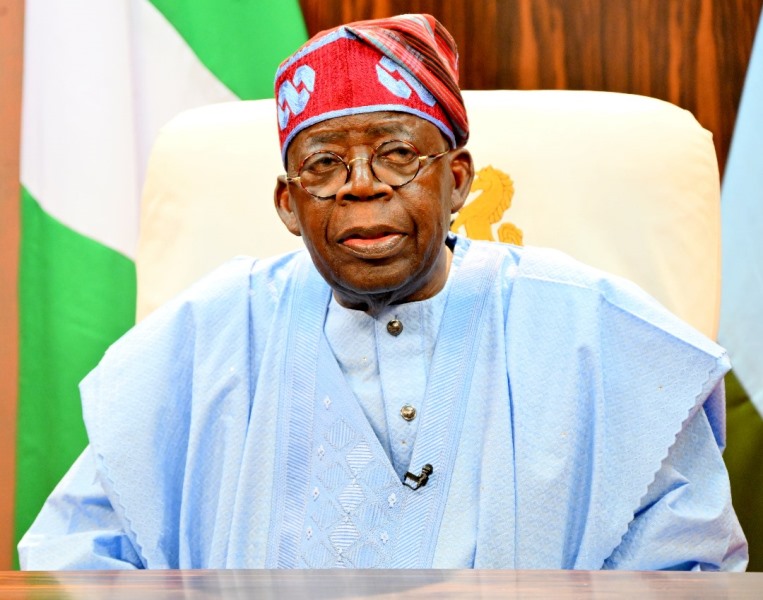
President Bola Tinubu has asked the Senate to approve a fresh N1.15 trillion loan from the domestic debt market to finance deficit in the 2025 budget.
Tinubu’s request was contained in a letter addressed to President of Senate Godswill Akpabio and read during plenary on Tuesday.
According to the letter, the proposed borrowing is aimed at bridging the funding gap and ensuring the full implementation of government programs and projects under the 2025 fiscal plan.
Following the reading of the letter, Akpabio referred the request to the Senate Committee on Local and Foreign Debt for further legislative input.
The committee is expected to report back to plenary in one week.
Recall that the Senate had last week approved Tinubu’s request to obtain a total of $2.847 billion in fresh foreign financing to support the 2025 budget and refinance Nigeria’s maturing Eurobonds.
The approved loan included a $2.347 billion external borrowing from the international capital market to part-finance the 2025 budget deficit and a $500 million debut Sovereign Sukuk to fund key infrastructural projects across the country.
The approval of the loan followed Tinubu’s letter to the Senate which was first read on October 8, 2025.
The Chairman of the Senate Committee on Banking, Insurance and Other Financial Institutions, Senator Adetokunbo Abiru, APC, Lagos East had clarified that the new borrowing would not add to Nigeria’s debt burden.
According to him, the loan was part of already approved budgetary provision: “This is more of a compliance issue because the 2025 Appropriation Act has already captured it as part of the deficit financing.
“The second request is a refinancing arrangement to ensure that the country does not default in Eurobond servicing,”
“There’s nothing wrong with borrowing if it is properly structured and used to address critical issues like unemployment and infrastructural decay.”
(NAN)
Comments