


Stress, mental health hampering journalism profession, says expert

 Quick Read
According to him, "journalists are stressful and always under pressure to meet deadlines and break the news. Journalists are constantly under pressure. What can we do about it? Even though stress is always around us. The only place you stay without stress is at the grave yard."
By Maduabuchi Nmeribeh/Kaduna
Stress and mental health have been identified as major illnesses hampering journalism profession in Nigeria and across the globe.
Dr. Aminu Ibrahim Shehu, a Consultant Psychiatrist at Aminu Kano Teaching Hospital (AKTH),, Kano, urged journalists to take the issue of mental health very seriously to ensure longer and happy life.
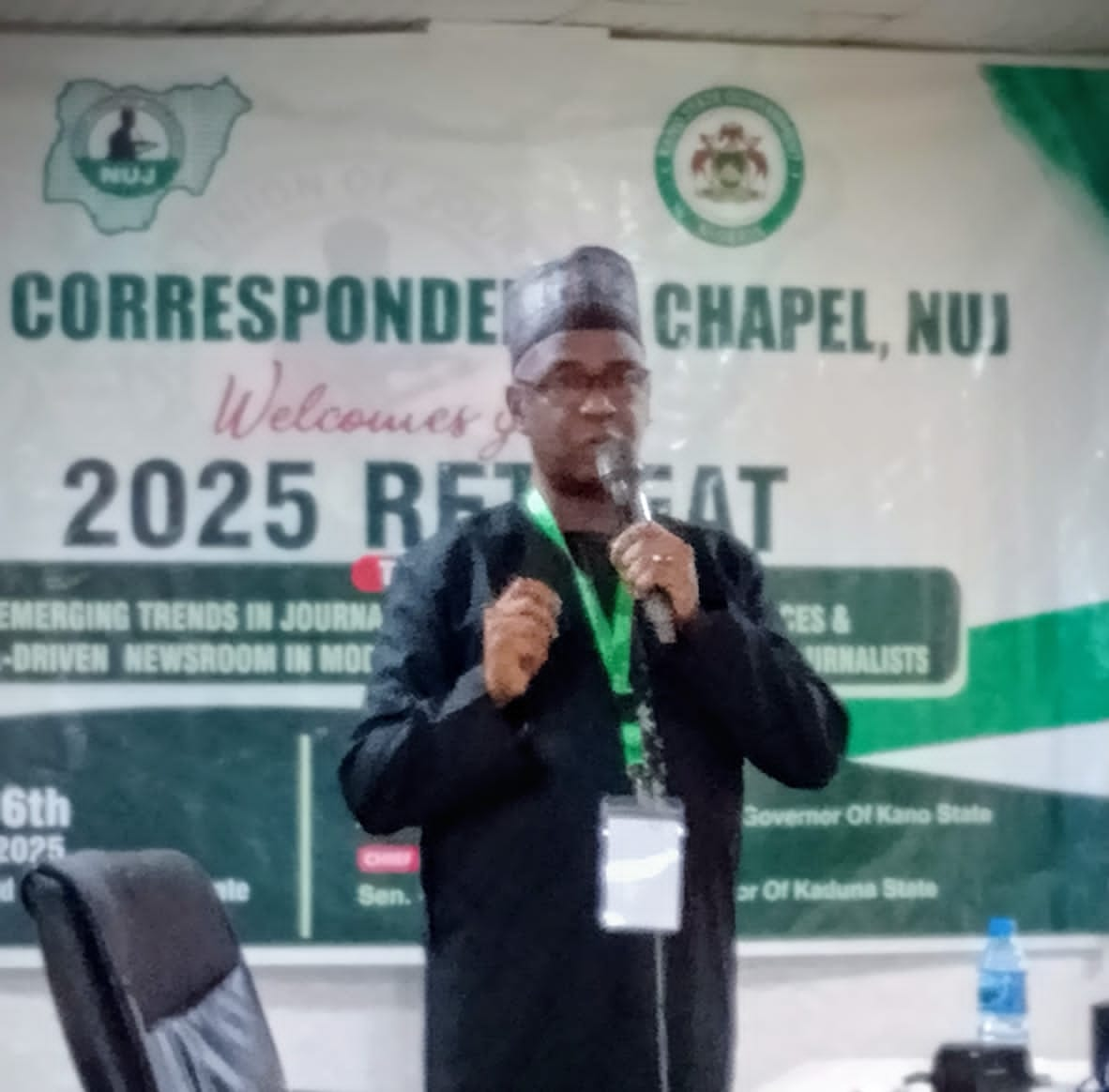
He stated this while presenting a paper entitled: “Pressure amid deadline: Psychiatric/Mental Health Precautions,” during a two-day 2025 Retreat, organized by Kano Correspondents’ Chapel, Nigeria Union of Journalists (NUJ), with the theme: “Emerging Trends In Journalism: Impact of AI, News Sources & Digital-Driven Newsroom In Modern Journalism; Task Before Journalists,” held at Pyramid Hotel, Kaduna.
According to him, “journalists are stressful and always under pressure to meet deadlines and break the news. Journalists are constantly under pressure. What can we do about it? Even though stress is always around us. The only place you stay without stress is at the grave yard.”
He decried the fact that journalists witness first hand tragic and traumatic events which in most cases affect their psychology, causing stress and depression.
However, Dr. Shehu who underscored the fact that, “in every tragic and gory occurrences, after the military, journalists must be there to report the event,” insisted that journalists must device means and strategies of avoiding stress and trauma.
According to him, even though journalists constantly face trauma and relentless pressure, there is need for them to seek medical and emotional help to be able to live longer and continue telling the stories.
The Psychiatrist, who gave a series of examples of journalists who died either committing suicide or through depression, advised on the need to always identify the source of mental health problems, seek for solution, and cultivate the culture of having enough rest and sleep.
In his own paper entitled: “The Defamatory Border Lines In Media Reports: A Legal Perspective,” Bar. Yusuf Abdul Salam, averted that in Nigeria what exists is right of expression, and not freedom of the press.
He cautioned journalists on use of languages and verification of sources to avoid libelous and defamatory publications.
Ms. Hajia Sani, who delivered a paper entitled: “AI In Journalism And Mass Communication: Scope And Values,” urged journalists to keep themselves updated with emerging technologies in the media, insisting that, “if you don’t know how to utilize devices, you are left behind, so there is need for you to keep yourselves updated on how to utilize modern devices.”
According to her, even though Artificial Intelligence (AI) helps in packaging contents for different media segments, it has come with its on ethical and social implications, which journalists should be wary of.
Abdullateef Abubakar Jos, in his presentation entitled; “Digital Media: Emerging Opportunities, Challenges,” drew a line of difference between digital media and new media.
He urged journalists, particularly, online publishers to always verify facts and look at issues of ethics of the profession before publication, while decrying the fact that in recent times journalists have become vulnerable to falling victims of cybercrime act.
The chairman of the Retreat, Sunusi Bature Dawakin Tofa, who is the Director-General, Media and Public Relations, Kano state Government House, commended the facilitators for their knowledge-packed presentations.
Bature who is also the official spokesperson of Kano state Governor, Engr. Abba Kabir Yusuf, advised journalists on the dangers of relying so much on Artificial Intelligence,.
According to him, “Artificial Intelligence generates information through human beings. We should not entirely succumb our creativity and professionalism on AI; even though there is need for us to digitalize and follow the moving trends as journalists.”
Comments