


160,000 Lagosians living with HIV as LSACA conducts 222,415 tests

 Quick Read
But despite these setbacks, the LSACA boss said the state is beginning to regain traction, saying that the Statewide Community HIV Testing Campaign, which commenced on 18 November, is already yielding results.
By Kazeem Ugbodaga
The Lagos State AIDS Control Agency (LSACA) on Thursday, revealed that an estimated 160,000 residents are currently living with HIV in the state, even as it conducted 222,415 tests.
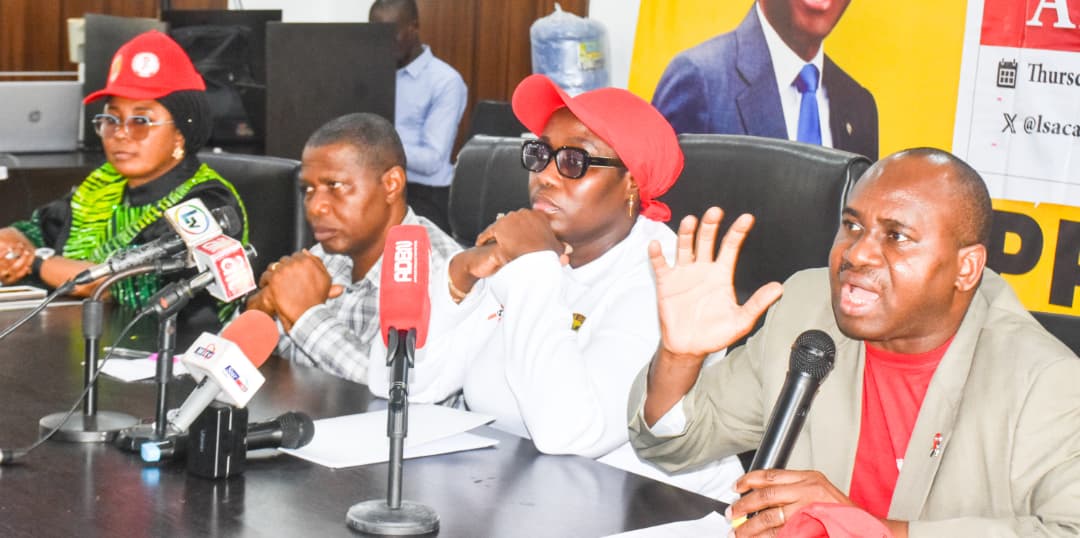
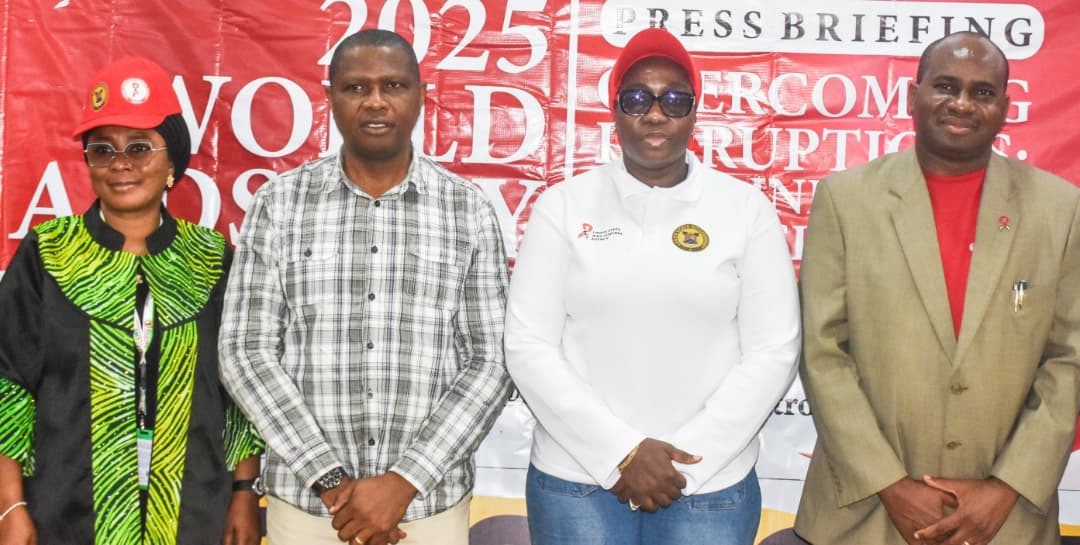
Addressing journalists at the 2025 World AIDS Day press briefing, LSACA’s Chief Executive Officer, Dr Folakemi Animashaun, also said there was disruptions in testing and others this year due to U.S. policies.
“As at January to September 2025, Lagos State currently has an estimated 160,000 residents living with HIV,” she said, noting that 147,466 of them are on antiretroviral treatment.
But the real concern, she stressed, lies in the state’s shrinking testing numbers.
“During this reporting period, a total of 222,415 tests were conducted. Compared to the same period last year, this represents about 28.9 percent of last year’s testing,” she disclosed.
For Dr Animashaun, the implications are grave: “These pauses in community activities slowed essential interventions, limiting access to testing, counselling, and psychosocial support in several communities.”
The LSACA boss linked the setback to the Stop Work Order issued by the US government earlier in the year, which temporarily halted several community-level HIV programmes.
“Our community structures, the heartbeat of Lagos State’s HIV response, faced significant challenges,” she said, adding that “Many residents, particularly adolescents, key populations, and individuals in hard-to-reach areas, experienced delays in accessing services that are often a lifeline for early detection and care.”
She warned that the interruptions “underscored a fundamental truth: the strength of any health response is measured not only by what happens within clinics but also by the reach, trust, and continuity of community engagement. When these connections falter, the opportunities for early diagnosis, timely treatment, and prevention education are reduced, and the most vulnerable populations feel the impact first.”
But despite these setbacks, the LSACA boss said the state is beginning to regain traction, saying that the Statewide Community HIV Testing Campaign, which commenced on 18 November, is already yielding results.
“To date, a total of 9,943 residents have been tested, including 3,402 males and 6,541 females, with a positivity yield of 2.0 percent. Those who tested positive were linked to care,” she announced.
Animashaun described the turnout as proof that Lagosians respond strongly when communities are mobilised.
“These early results reinforce a critical message: when communities are mobilised, tested, and supported, we can identify cases early, link individuals to treatment, and strengthen prevention efforts,” she said.
She noted that young adults aged 20 to 35 are leading the turnout, while women in Ikorodu, Badagry, Ojo, and Mushin are participating robustly, evidence, she said, that “market-based and community-cluster strategies are working.”
Looking ahead, the CEO said LSACA’s Community Recovery Plan is designed to restore the momentum lost earlier in the year.
She explained that it includes “intensifying outreach in high-priority areas, reactivating support groups, extending multi-month dispensing for stable clients, and tracking those lost to follow-up.”
According to her, these steps are crucial to “restoring and strengthening the networks that make early detection and care possible.”
Animashaun also placed heavy emphasis on tackling stigma, describing it as one of the greatest threats to Lagos’ HIV response.
“No individual should ever feel excluded or dehumanised because of their HIV status and Lagos State remains unwavering in this commitment,” she said.
She highlighted the expansion of sensitisation programmes across religious institutions, markets, schools, and traditional communities in 2025.
The CEO, who consistently acknowledged the role of community networks, said their resilience in the face of adversity was remarkable.
“Peer educators, support groups, youth advocates, faith-based partners, community structures, and civil society organisations quickly adapted, slowly re-establishing outreach activities, maintaining communication with clients, and ensuring that those newly diagnosed were linked to care without delay,” she said, adding that “Their unwavering commitment has allowed Lagos to regain lost momentum.”
The 2025 World AIDS Day theme, “Overcoming Disruptions: Sustaining Nigeria’s HIV Response,” she said, was a direct reflection of Lagos’ experience this year.
“It reflects both the challenges and the resilience of our communities,” she noted, adding that the city’s diversity and movement make community-led health responses indispensable.
While outlining a series of activities planned for the commemoration, including faith-based engagements, an awareness walk, empowerment programmes, and a multi-stakeholder symposium, Animashaun stressed that the message of the year goes beyond ceremonies.
“As we embark on this commemoration, let us recommit ourselves to building systems that endure, safeguarding every resident, especially the most vulnerable,” she said.
“Together, under the leadership of the Executive Governor, Mr Babajide Sanwo-Olu, we can overcome interruptions. Together, we can strengthen community resilience. Together, we can sustain the HIV response for a healthier, stronger Lagos,” she added.
Comments