


Trump’s former lawyer Alina Habba resigns as New Jersey U.S. Attorney

 Quick Read
Habba, 41, was appointed acting U.S. Attorney in March 2025, following service as a counselor to Trump. Her selection immediately generated controversy: she lacked significant federal prosecutorial experience and had previously served as Trump’s private defence lawyer.
By Kazeem Ugbodaga
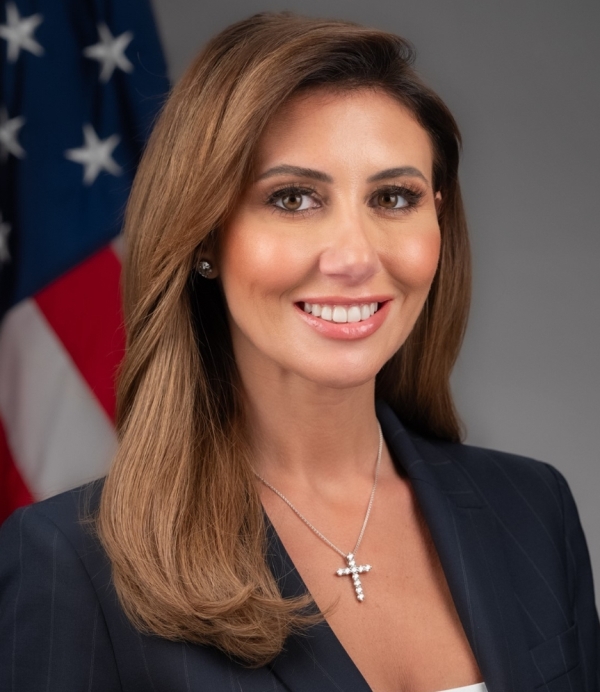
U.S. Department of Justice (DOJ) appointee Alina Habba, former personal lawyer to President Donald Trump, has stepped down from her role as acting U.S. Attorney for the District of New Jersey following an appeals-court decision declaring her tenure unlawful.
A three-judge panel of the Third U.S. Circuit Court of Appeals ruled on December 1, 2025 that Habba’s appointment violated federal law, disqualifying her from serving as the state’s chief federal prosecutor.
In a statement posted on social media, Habba said she was resigning “to protect the stability and integrity of the office,” but added pointedly: “But do not mistake compliance for surrender.”
She also affirmed that she will remain at the DOJ as a senior adviser to the U.S. Attorney General.
Reuters
Following her resignation, the DOJ announced a plan to appeal the court’s ruling, signalling continued resistance to what officials described as “politically motivated” interference with executive appointments.
Supporters of the court’s decision argue that the outcome underscores the importance of Senate confirmation and judicial oversight for high-level federal appointments.
Some of the cases initiated under Habba’s brief tenure have already been paused, and the legitimacy of those prosecutions is now under review.
Habba, 41, was appointed acting U.S. Attorney in March 2025, following service as a counselor to Trump. Her selection immediately generated controversy: she lacked significant federal prosecutorial experience and had previously served as Trump’s private defence lawyer.
After her initial 120-day interim term expired in July 2025, a federal judicial panel attempted to install her deputy, but the DOJ, under Attorney General Pam Bondi, reversed that decision, reinstating Habba. That move ultimately provoked legal challenges that culminated in the recent disqualification.
During her brief tenure, Habba initiated a number of politically charged investigations involving Democratic officials, actions critics say politicised the U.S. Attorney’s office.
Habba’s resignation highlights renewed tension between the executive and judicial branches over the limits of presidential appointment authority, particularly when Senate confirmation is bypassed.
Legal experts warn that today’s ruling could have ripple effects, calling into question other politically contentious interim appointments nationwide.
Comments