


GSS: Bibopere Ajube and the making of coastal security model in Nigeria

 Quick Read
The weapons recovery that followed a major bank robbery in Ondo State showed how this network functions when pressure is high.
The creeks of the Niger Delta hold many stories. Some are whispered by early fishermen moving at dawn. Some travel with traders who know every bend of the waterway. Others come from people who have lived long enough to see the corridor between Ondo, Edo and Lagos shift from ordinary traffic routes to contested spaces. For years, these waterways were places where opportunity and danger lived side by side. Securing them required more than patrol boats or uniforms. It requires the kind of understanding that grows from being shaped by the environment.
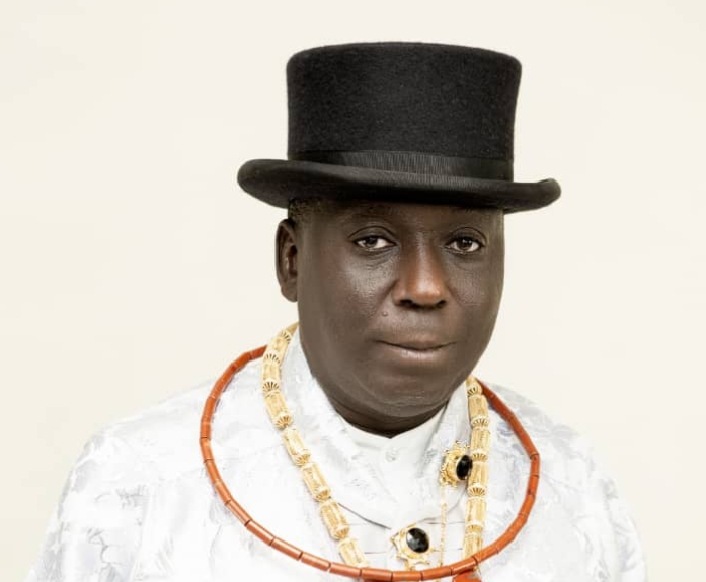
This is the space where Senior High Chief Bibopere Ajube began his work and where the foundation of Gallery Security Services Limited was laid. Before GSS became an institution, Ajube had already spent years learning the rhythm of the water, the habits of those who travelled through the corridor and the signs that warn of trouble long before it becomes visible. His leadership did not begin with position. It began with presence.
People speak about trust when they mention him. In many coastal communities, trust is what opens doors and starts conversations. It is what makes people speak when silence might be easier. Ajube earned that trust long before GSS grew into its current scale. He was someone the creeks recognised. This legitimacy became part of the organisation’s strength. It made it possible to gather intelligence where outsiders often hit resistance. It allowed the organisation to work in terrain where familiarity can matter more than authority.
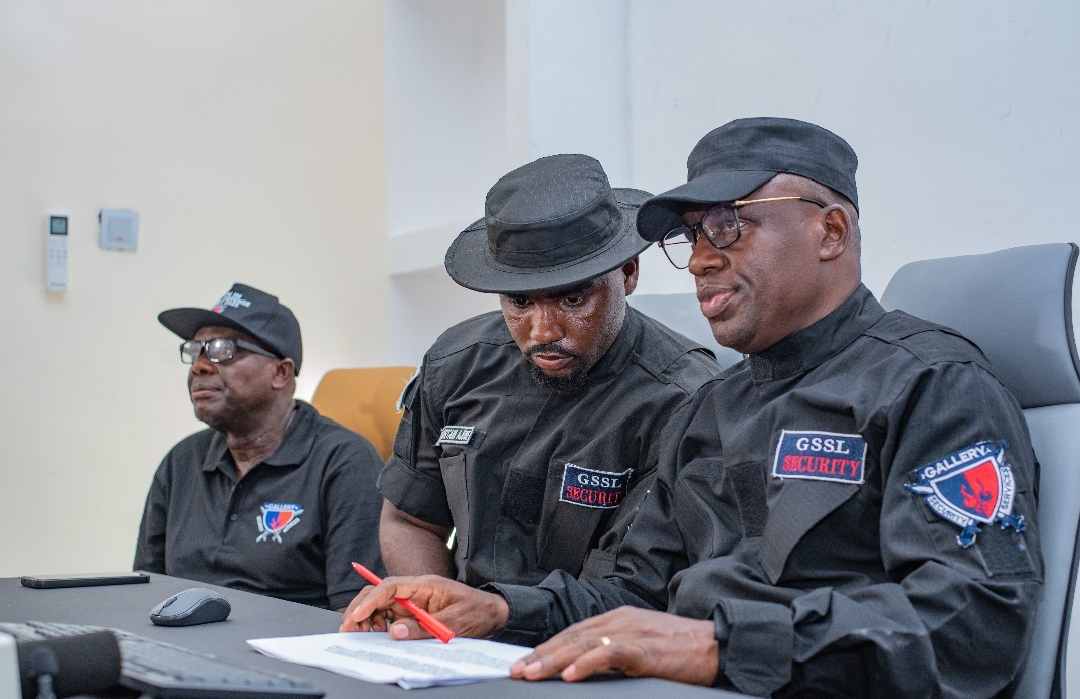
From this base, GSS began to shape a model of coastal security anchored in a steady, disciplined presence. Patrols are often without drama, but they build the pressure that keeps criminal movement in check. Surveillance does not always look heroic, yet a single observation can shift the direction of an entire operation. Over time, the organisation built a working relationship with the Navy, Police, DSS and other agencies. These relationships did not form from formal meetings alone. They formed from experience, shared risks and a practical understanding that cooperation saves time in the creeks.
The weapons recovery that followed a major bank robbery in Ondo State showed how this network functions when pressure is high. The attackers had escaped into the waterways with seized rifles. Security agencies contacted GSS because they knew the terrain demanded a team that could move quickly and with precision. Within forty-eight hours, the stolen weapons were recovered. Those who followed the operation understand why it succeeded. It relied on knowledge of the water, understanding of criminal patterns and a quiet chain of collaboration that had matured over years.
GSS continued strengthening this model by investing in young people. Ajube understood that communities remain vulnerable when their youth lack direction. Through Bradama International Skills, hundreds of young men were trained in welding, fabrication, engine repair and other vocational skills. Some now serve within GSS. Others work independently across coastal states. This approach created a bridge between security and livelihood. It reduced the pool of young people who could be drawn into criminal networks and built a sense of responsibility that reflects in the behaviour of entire communities.
The 13th anniversary of GSS brought these ideas into view. The Youth in Coastal Defence Summit gathered more than a thousand young people to discuss their role in shaping safer waterways. The medical outreach reached over five hundred residents, reminding communities that security includes wellbeing and presence, not just patrols. The honours awarded to fallen personnel gave weight to the years behind the organisation’s growth. It was a moment to acknowledge those who served quietly and those who died during operations that did not make headlines.
After thirteen years, what has emerged is not a theory, but a functioning model. It draws from community intelligence, long-term cooperation with agencies, disciplined fieldwork and consistent investment in local youth. This model is not built on spectacle. It is built on the slow, deliberate work of showing up, listening, responding and staying the course. Its success can be traced not through dramatic announcements, but through the gradual decline of violent incidents along the corridor.
As Nigeria deepens its reliance on coastal infrastructure and prepares for a future where inland waterways support national commerce, models like this will matter even more. They show that security can grow from within communities, guided by leaders who understand the terrain and shaped by institutions that evolve with their environment. The story of GSS is therefore more than a regional achievement. It is a lesson in what long-term commitment, patience and rooted leadership can build in a challenging landscape.
In the creeks where the water meets mangrove roots and the current carries the memory of those who have passed, a model of coastal security has taken shape. It was not created by chance. It was built through years of work led by someone who knew the water well and believed that stability could grow there. It is a model worth studying as Nigeria confronts the pressing need to secure the spaces where land ends and the wider economy begins.
Comments