


Dr. Mubarak’s grassroots outreach reaches all nine LGAs of Kogi East

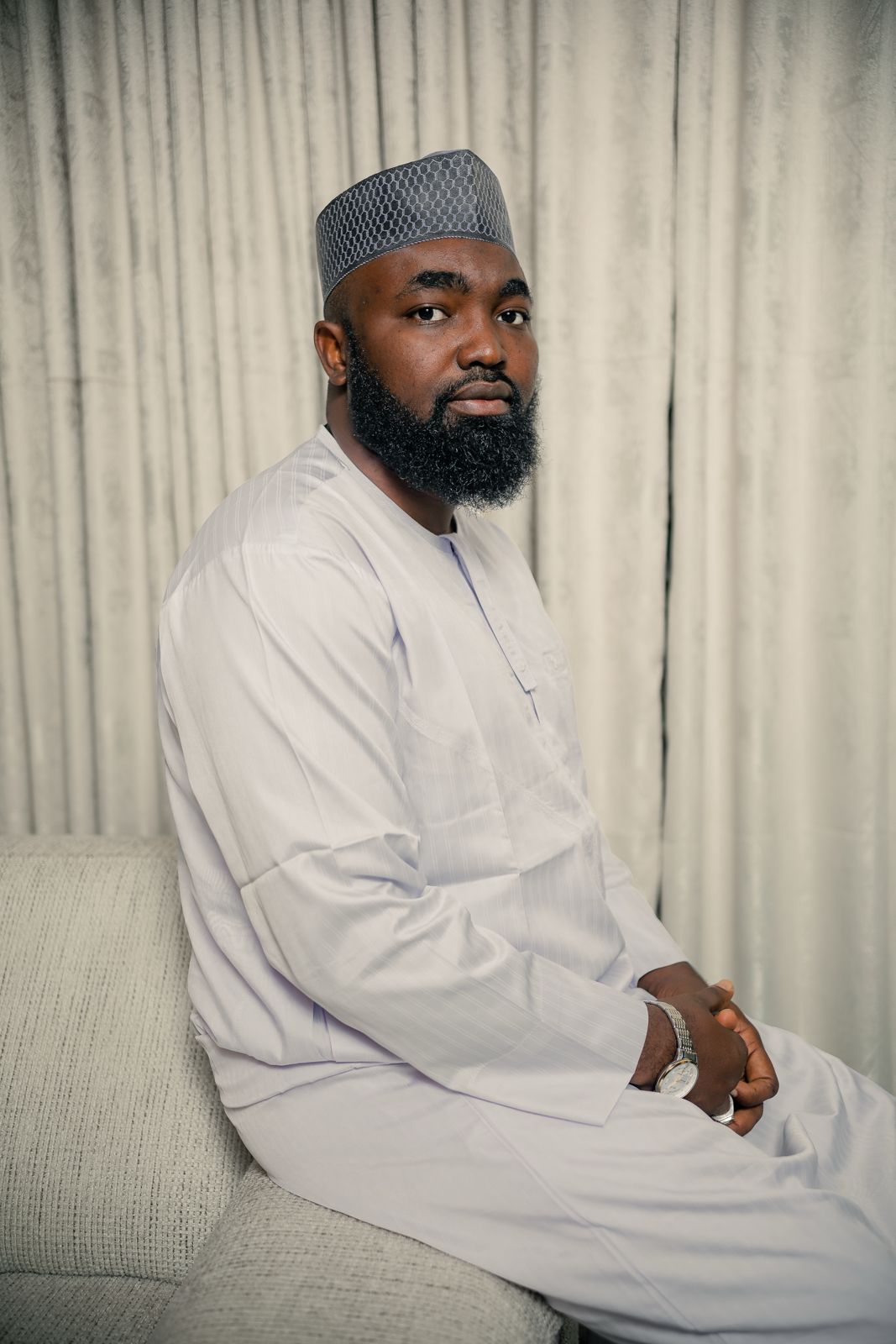
As calls for sustainable community development grow louder across Nigeria, serial entrepreneur and business leader, Dr. Musa Saliu Mubarak, has been quietly championing grassroots impact through one of the most extensive empowerment initiatives seen in Kogi East Senatorial District.
Last year, Mubarak’s outreach project provided vital support to communities in all nine local government areas of Kogi East, distributing food packages, educational supplies and other essentials to vulnerable families, youths and students in the region.
The initiative, which spanned Ibaji, Igalamela‑Odolu, Ofu, Olamaboro, Omala, Idah, Dekina, Ankpa and Bassa LGAs, was designed to cushion the hardships faced by many households amid economic challenges, while promoting education, resilience and self‑reliance.
Speaking about the programme, Dr. Mubarak said his drive to give back stemmed from a deep belief that leadership must extend beyond business success to meaningful community impact.
“Giving back is important to me because it reflects purpose beyond personal success. Life isn’t just about what you achieve for yourself, it’s about the impact you leave on others,” he told Vanguard. “At some point, everyone needs support, guidance, or an opportunity, and being in a position to offer that even in small ways creates real meaning.”
According to Mubarak, the project was motivated by the large number of young people in Kogi East eager to learn and grow but lacking access to resources, mentorship and opportunities that can help them thrive.
“The choice was driven by the presence of a large number of young people who are eager to grow but lack the necessary guidance, mentorship and resources. When you invest in such communities, especially at the grassroots level, the impact is more visible and sustainable,” he said.
In addition to food items and school supplies, the programme delivered support packages aimed at helping parents and guardians provide for their families, while encouraging school attendance and academic engagement among children.
Community leaders and beneficiaries alike have commended the programme, describing the interventions as timely and critical to improving livelihoods in underserved communities.
A community representative in Omala LGA, who spoke on condition of anonymity, said, “The kits and support came at a time when many households were struggling to meet basic needs. This initiative gave our community hope and showed that someone cares about our people.”
Dr. Mubarak noted that while roughly 100–150 individuals directly benefited from certain aspects of the outreach, the wider ripple impact was felt by many more as families and extended communities gained relief and encouragement.
“The goal wasn’t just the numbers, but the depth of impact ensuring that those reached gained something meaningful, whether it was guidance, resources or renewed motivation,” he said.
He also reflected on the experience as both eye‑opening and reaffirming.
“It highlighted gaps that still need attention whether in education, empowerment, or access to opportunities. It reminded me that real impact requires consistency, not just a one‑time effort,” Mubarak said.
Looking ahead, he revealed plans to formalise and expand his community development agenda through structured youth empowerment programmes. These will include skill acquisition sessions, mentorship platforms and personal development workshops designed to equip young people with tangible tools for growth and self‑reliance.
“Overall, it was a powerful experience one that strengthened my commitment to community development and reaffirmed the importance of staying connected to the people,” he added.
Observers say that initiatives like this are contributing to a broader culture of private‑sector engagement in community upliftment, particularly in regions where public resources are stretched thin.
As Kogi East continues to navigate socio‑economic challenges, sustained collaboration between private leaders, community stakeholders and government actors could play a pivotal role in accelerating inclusive growth and opportunities for residents across the senatorial district.
Comments