


Fela’s spirit returns to Lagos through words, music and memory

 Quick Read
As the exhibition continues, Fela Talks promises to remain a vibrant space where history meets memory, art meets politics, and the legacy of Fela Anikulapo Kuti is continually re examined, not as a relic of the past, but as a living force in contemporary cultural discourse
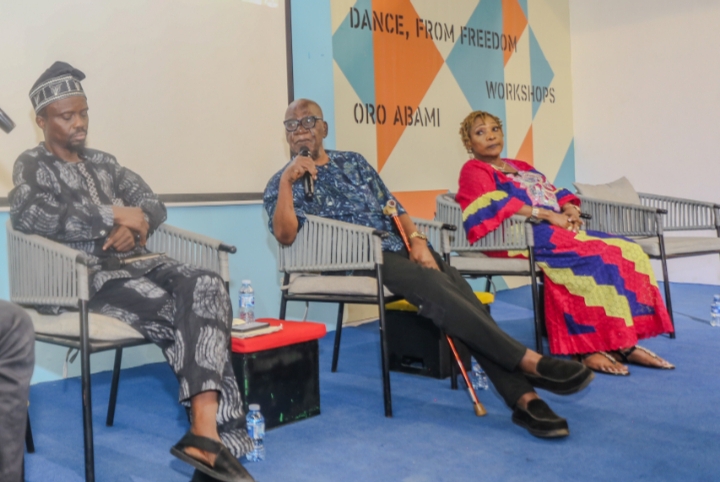
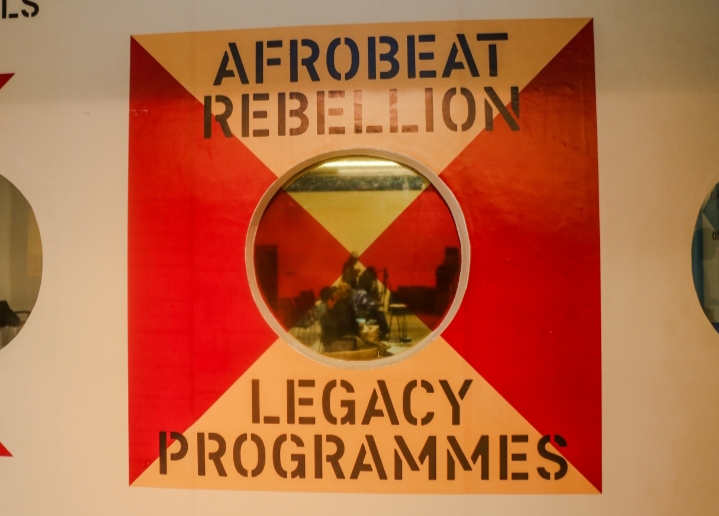
The spirit of Afrobeat legend, Fela Anikulapo Kuti, came alive in Lagos with another edition of Fela Talks, a weekly intellectual and cultural engagement platform held as part of the ongoing Fela Anikulapo Kuti AfroBeat Rebellion exhibition.
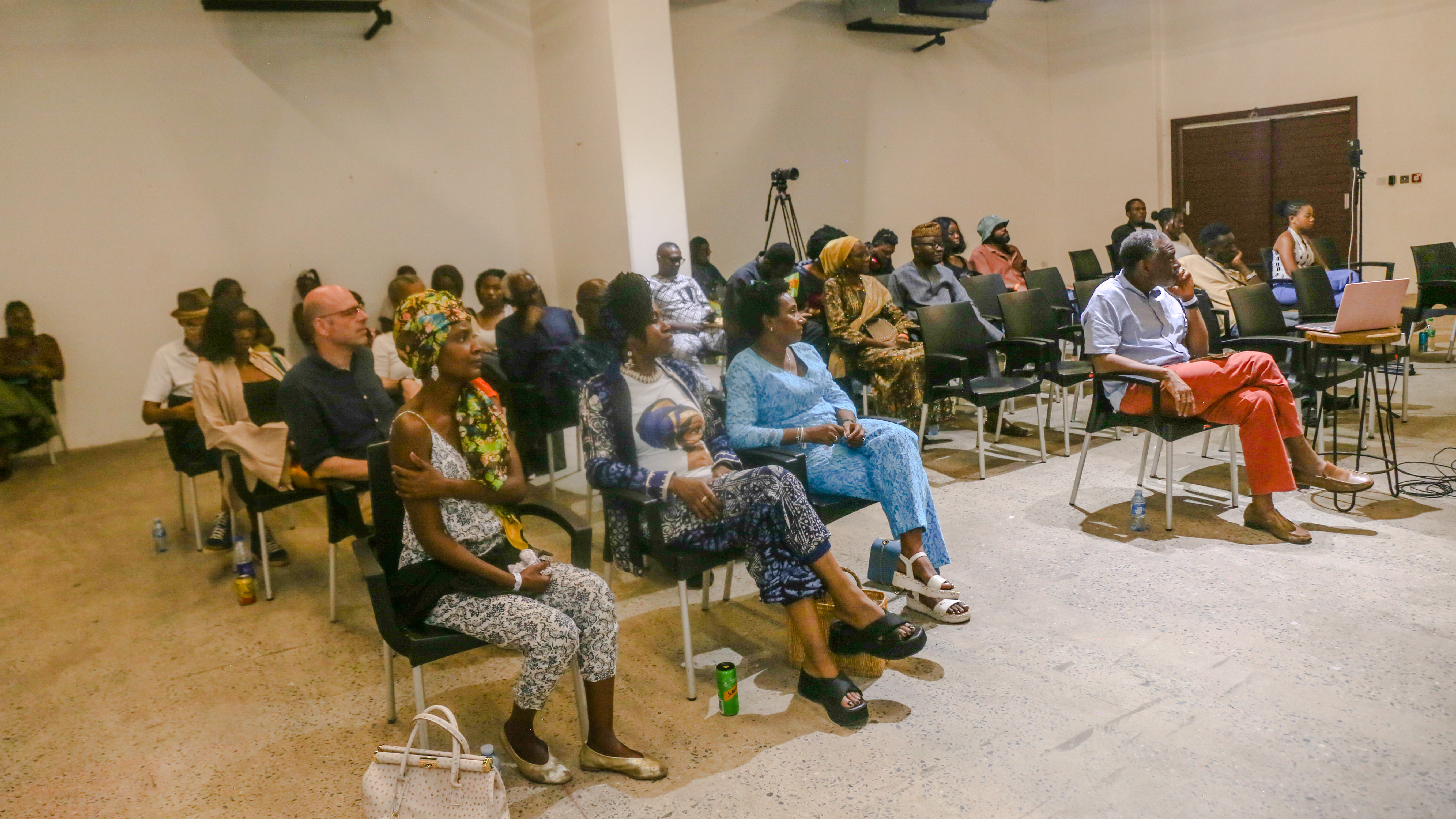
Designed as a space for reflection, critique and robust conversation, Fela Talks brings scholars, artists, journalists and eyewitnesses together, both physically and online, to interrogate the life, music and enduring influence of one of Africa’s most radical cultural figures.
Each session explores a specific dimension of Fela’s cultural and political practice, ranging from his role as a public intellectual to his music, fashion, dance, politics, feminism, family life and the memories he left behind.
Panelist
The opening session featured Pulitzer Prize winning journalist Dele Olojede, founder of Africa in the World and host of the annual Ideas Festival in Stellenbosch, South Africa.
Born in Ile Ife, Nigeria, Olojede drew from history, journalism and personal insight to offer a sweeping reflection on Fela’s life and legacy.
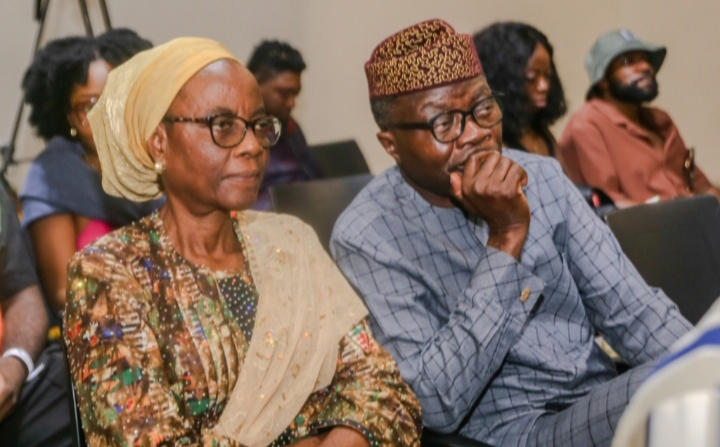
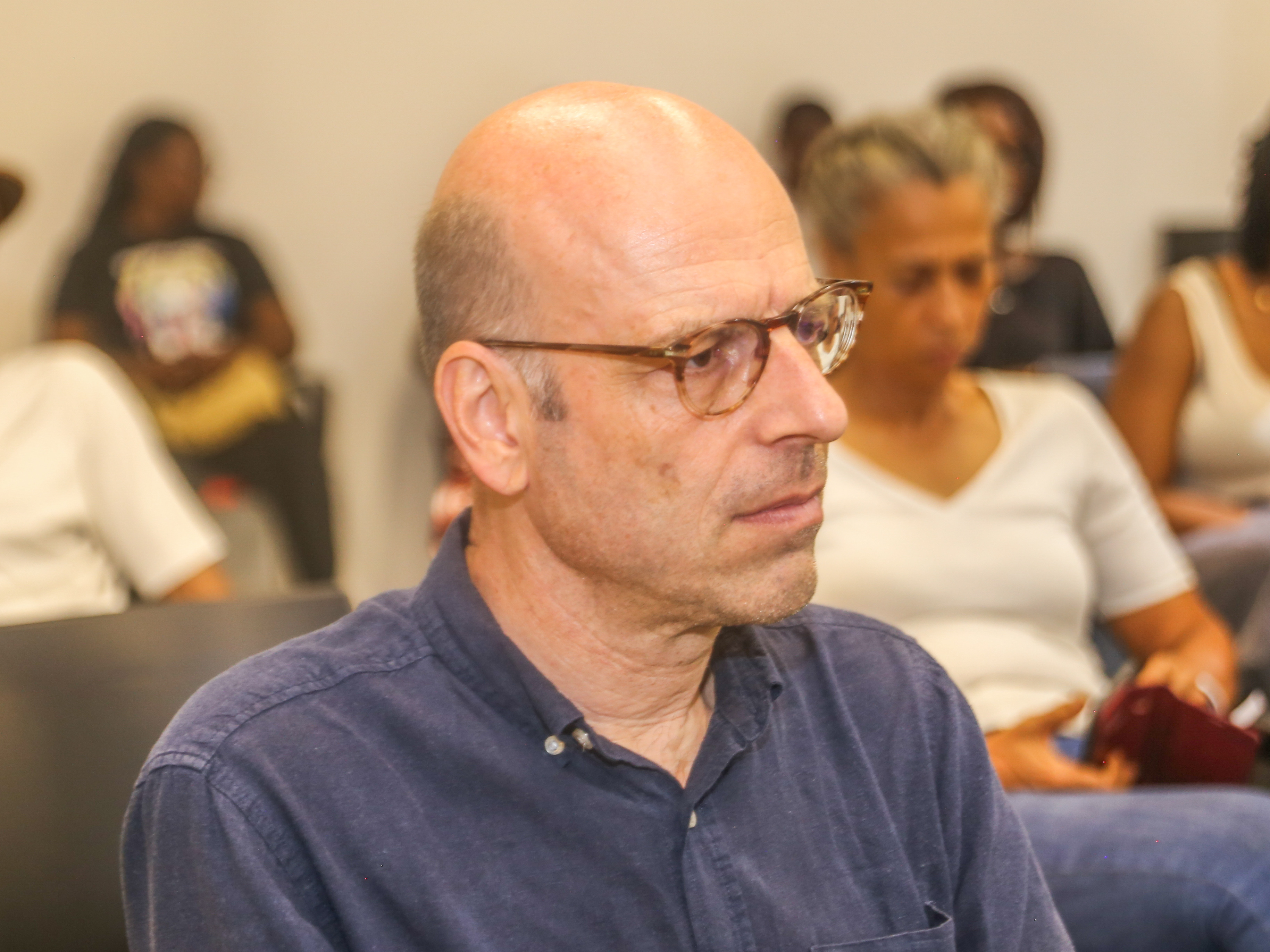
Mr Kunle Ajibade& Wife Executive Director TheNews/PMNews
Olojede dissected Fela’s journey into three defining phases, his early years, his peak moment of radical influence, and a final period marked by despair and persecution.
According to him, Fela’s first phase began when he defied his parents’ wishes to study music abroad, returning to Nigeria to perform what he described as street life tunes.
The second phase, Olojede explained, marked Fela’s political awakening. After another stint abroad, Fela returned transformed, abandoning apolitical music for a fierce, confrontational Afrobeat sound that openly challenged military rule, corruption and social injustice.
It was during this period that Fela emerged as a fearless critic of power, using music as both weapon and conscience.
His final phase, Olojede noted, was characterised by relentless state harassment, humiliation and violence, as successive governments sought to silence the voice that refused to be muted.
Yet even in death, Olojede argued, Fela left behind an indelible footprint that continues to shape global music, protest culture and African self expression.
The conversation deepened with a second panel featuring individuals who knew Fela beyond the public glare.
Renowned visual artist Lemi Ghariokwu, legendary broadcaster and Fela’s former manager Benson Idonije, and Laide Babayale, Fela’s first female DJ and band member, shared personal encounters that humanised the icon.
Ghariokwu recalled meeting Fela in 1975 through journalist Kayode Harrison. After presenting a portrait he had drawn, Fela was so impressed that he offered him one hundred and twenty naira, four times Ghariokwu’s usual fee.
Ghariokwu declined the money, opting instead for a lifetime wild card granting him access to all Shrine performances, a gesture that cemented their creative bond.
For Benson Idonije, affectionately known today as Burna Boy’s grandfather, managing Fela was challenging but deeply rewarding. He described the experience as demanding yet fulfilling, insisting that Fela’s brilliance outweighed the difficulties that came with his defiance of convention.
Laide Babayale’s story traced her connection with Fela back to her secondary school days in Ibadan, long before fate reunited them at the Shrine. She recalled how Fela intervened in a fight outside the venue, noticed her presence and struck up a conversation that would eventually lead to her becoming a band member and his first female DJ. She described Fela as firm and uncompromising, yet deeply loving and magnetic.
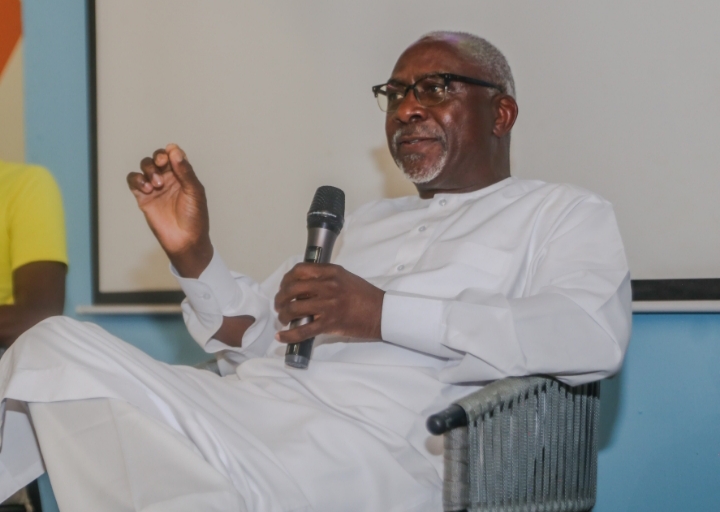
Dele Olojede
As the exhibition continues, Fela Talks promises to remain a vibrant space where history meets memory, art meets politics, and the legacy of Fela Anikulapo Kuti is continually re examined, not as a relic of the past, but as a living force in contemporary cultural discourse.
Comments