


Surprising African countries where petrol costs less

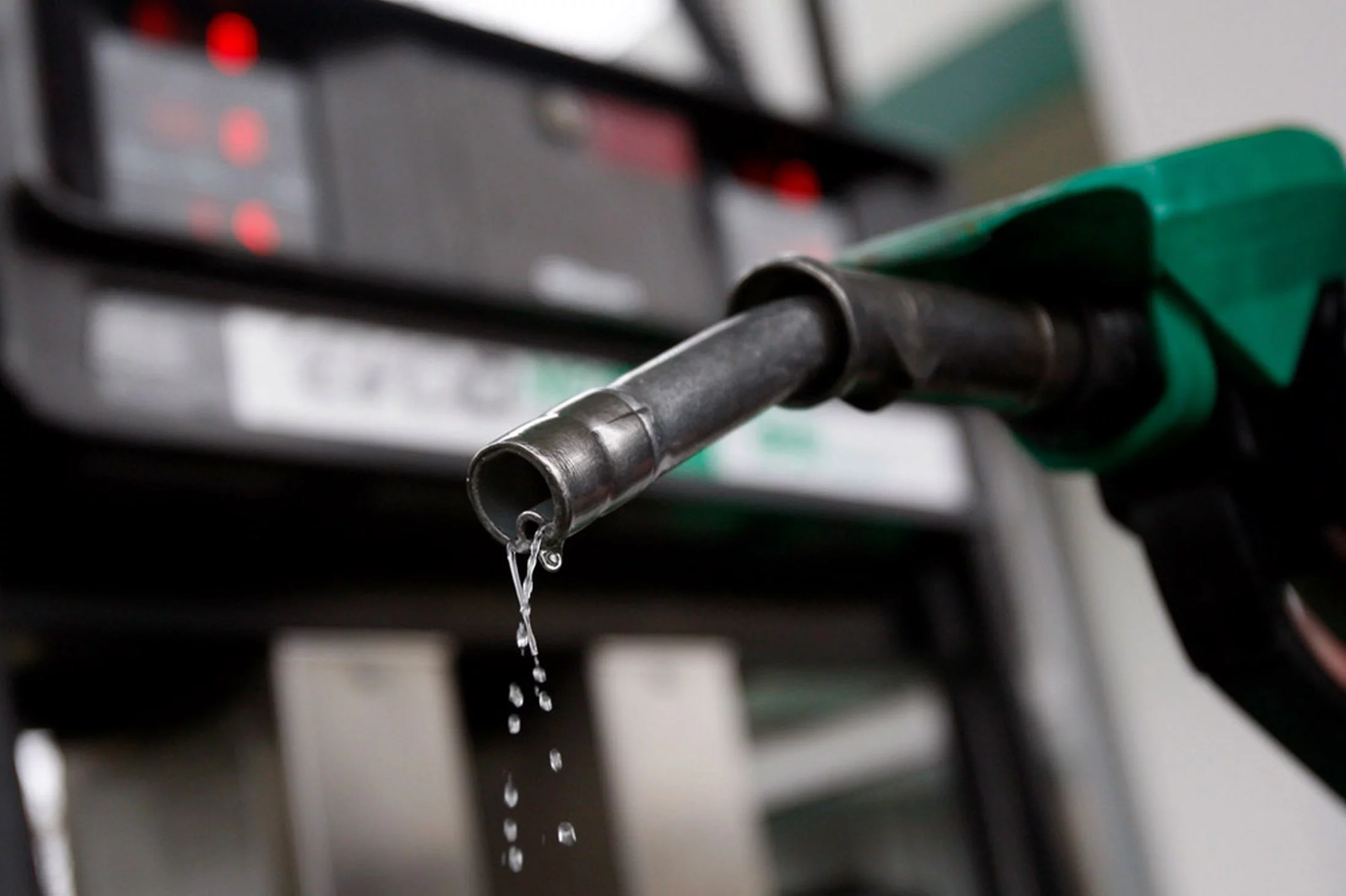
Africa’s fuel market changed significantly in 2025 due to new refineries, changing government policies, global oil price movements, and improvements in local fuel supply.
Fuel prices across the continent varied widely. This was influenced by how much fuel countries produce locally, how much they import, and whether governments provide subsidies.
Nigeria’s Dangote Petroleum Refinery played a major role in shaping fuel prices across Africa in 2025. With a capacity of 650,000 barrels per day, the refinery helped reduce fuel shortages and boosted confidence in Africa’s oil refining industry.
In addition to the Dangote refinery, a global energy group secured a $50 billion investment to build Africa’s second-largest refinery in Ondo State, Nigeria. These developments showed a strong push by African countries to reduce dependence on imported fuel.
Between June and July 2025, the Dangote refinery exported about one million tonnes of petrol to countries beyond West Africa. Later in the year, the company announced plans to supply 1.5 billion litres of fuel in December 2025 and January 2026, with production expected to rise to 1.7 billion litres per month from February 2026.
This high level of production helped stabilize fuel supply not only in Nigeria but also in neighbouring countries that depend on fuel imports.
Despite these gains, fuel prices remained unstable across Africa due to differences in policies, subsidies, and refining capacity. Libya consistently had the cheapest fuel prices on the continent. Algeria, Egypt, Angola, Nigeria, Sudan, and Tunisia also ranked among the countries with the lowest fuel prices.
Other countries such as Liberia, Ethiopia, Gabon, the Democratic Republic of Congo, and Niger moved in and out of the low-price rankings during the year because of global oil price changes and local supply challenges.
In Nigeria, fuel prices faced uncertainty when Dangote temporarily stopped selling fuel in naira due to shortages in crude oil supplied under the naira-for-crude arrangement. This raised fears of higher fuel prices locally and across the region. Public pressure and labour unrest later pushed the government to restore naira-based fuel sales.
By October 2025, Dangote announced plans to expand refinery capacity to 1.4 million barrels per day, strengthening Africa’s drive toward energy self-sufficiency.
Overall, 2025 showed that Africa’s fuel market is increasingly shaped by local refining, investment, and regulation. Countries with strong domestic refining capacity were better protected from global fuel price shocks.
According to data from GlobalPetrolPrices, fuel prices in December 2025 increased slightly in Libya, Algeria, Tunisia, Nigeria, and Liberia compared to the previous month. Prices fell in Egypt, Nigeria, and Ethiopia, while Angola and Sudan recorded no change.
As African countries continue to expand refining capacity and improve supply systems, local production is becoming key to long-term fuel price stability and energy security across the continent.
Comments