


Ojulari and the continental turn: How NNPC is recasting its role in Africa’s energy future

 Quick Read
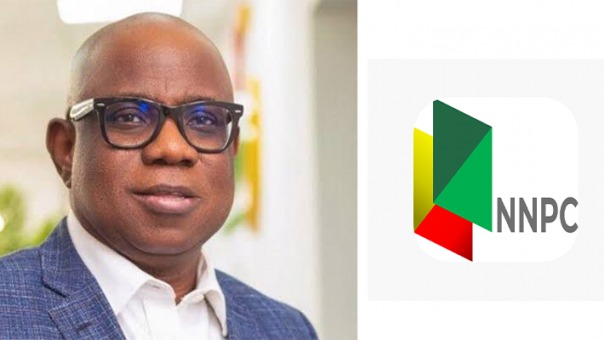
As global energy investment patterns shift and traditional markets tighten, Nigeria’s national oil company is quietly redefining its relevance beyond national borders. Eight months into his tenure as Group Chief Executive Officer of NNPC Limited, Bayo Ojulari
As global energy investment patterns shift and traditional markets tighten, Nigeria’s national oil company is quietly redefining its relevance beyond national borders. Eight months into his tenure as Group Chief Executive Officer of NNPC Limited, Bayo Ojulari has emerged as a consistent advocate for regional energy collaboration, positioning the company not merely as Nigeria’s oil producer but as a long-term continental energy partner.
Regional engagement is not new to Nigeria’s energy diplomacy. Projects such as the West African Gas Pipeline and various bilateral supply agreements have long reflected that ambition. What has changed under Ojulari is the coherence with which diplomacy, infrastructure and commercial logic are now being sustained as part of a broader diversification strategy. Rather than episodic engagement, NNPC’s regional posture is increasingly framed as a structured response to shifting global realities.
Ojulari’s outward focus has been shaped by a clear reading of global trends. With European investment in fossil fuel infrastructure declining and several refineries expected to shut down by the end of the decade, he has argued that Africa can no longer rely on external capital to define its energy future. Speaking at continental industry forums, including the African Petroleum Producers’ Organisation CEOs Forum, Ojulari has called for Africa-led solutions rooted in cooperation, improved governance and shared infrastructure.
This philosophy is most visibly expressed in the Nigeria–Morocco Gas Pipeline, one of Africa’s most ambitious energy projects. Spanning more than 5,600 kilometres and designed to supply gas to multiple West and North African countries, the pipeline represents diversification on a continental scale. Beyond export revenue, it promises industrial growth, power generation and expanded energy access along its route. While acknowledging challenges around financing, governance and multi-country alignment, Ojulari has maintained steady engagement, pointing to clearer payment frameworks and phased implementation plans that have helped preserve the project’s credibility.
NNPC’s regional strategy also builds on existing infrastructure, particularly the West African Gas Pipeline, whose lessons have informed current governance and dispute-resolution approaches. Rather than seeking dominance, Ojulari has framed Nigeria’s role as that of a reliable anchor—supplying resources while respecting the interests and sovereignty of partner nations. This emphasis on shared value has resonated in a region where mistrust has often undermined cross-border energy projects.
For Nigeria, the benefits of this regional posture are both economic and strategic. Long-term gas contracts diversify revenue streams, reduce exposure to oil price volatility and reinforce geopolitical influence. Under the Petroleum Industry Act, which redefined NNPC Ltd as a commercially driven entity, clearer governance and fiscal structures have further strengthened the company’s appeal as a credible regional partner.
Beyond pipelines, Ojulari has also emphasised collaboration in energy transition initiatives, infrastructure sharing and technical exchange, reinforcing NNPC’s presence in shaping Africa’s energy discourse. Eight months into his tenure, he has not promised quick wins. Instead, his focus has been on positioning—keeping projects alive, strengthening partnerships and aligning NNPC’s regional ambitions with its commercial transformation. In a volatile global energy environment, that measured approach may prove decisive.
Comments