


Texart Fair 3.0 holds in Ibadan to create market opportunities for art

 Quick Read
The programme recorded an impressive attendance, with students, staff, and non-staff of the National Museum of Unity, as well as members of the general public, actively participating throughout the three days.
By Nehru Odeh
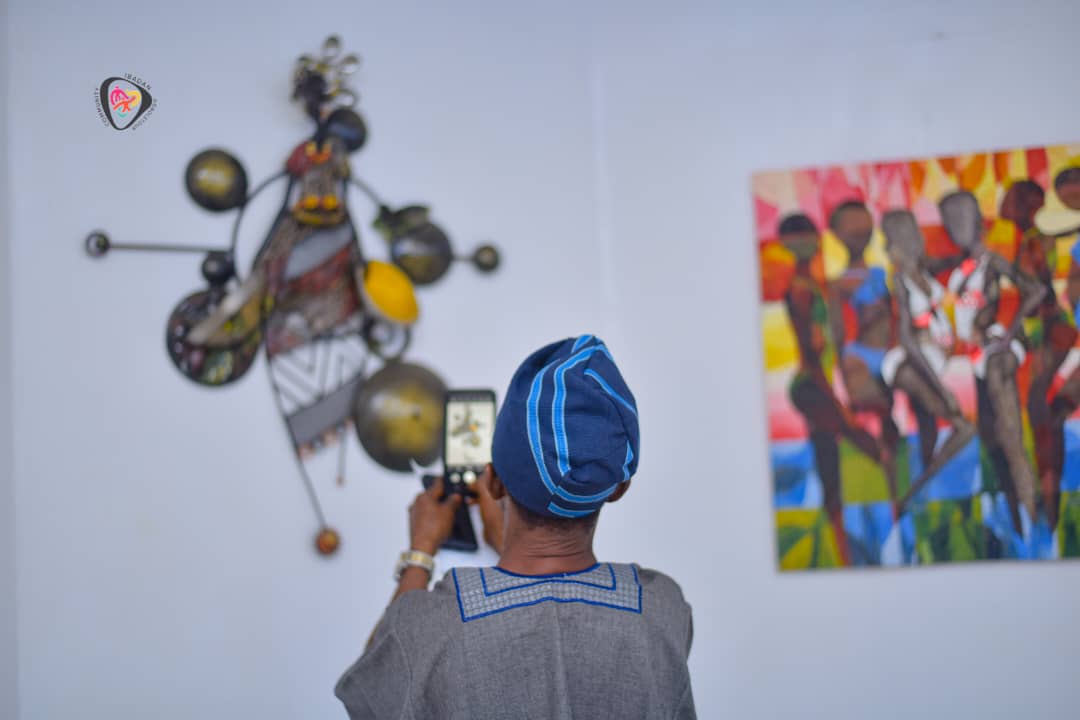
The BlackulHeritage Studios, in collaboration with the National Museum of Unity, Ibadan, successfully hosted Texart Fair 3.0, a three-day art exhibition and cultural exchange, aimed at creating market opportunities and expanding art business. The event held at the National Museum of Unity Ibadan.
Theme “Tapping the Market Potential of Nigerian Art: Bridging the Gap,” the programme brought together artists, collectors, curators, scholars, students, and art enthusiasts to explore ways of strengthening the visibility, economic value, and market reach of Nigerian art both locally and internationally.
The opening ceremony featured a symposium as well as a welcome address by the Curator, Mrs. Oriyomi Pamela Otuka, who highlighted the importance of partnerships in promoting cultural heritage and nurturing creative talents.
Oruka also said the theme of the event, “Tapping the Marketing Potential of Nigerian Art: Bridging the Gap” spoke directly to the challenges and opportunities that confront the creative ecosystem.
“As custodians, researchers, and promoters of cultural heritage, we understand that Nigerian art is not only rich in aesthetics and meaning; it is a powerful economic asset capable of driving employment, tourism, identity-building, and national development.
“Yet we also recognize the gaps: the disconnect between artists and markets, the limited visibility of local creatives, the undervaluation of our indigenous art forms, and the need for stronger institutional and private-sector support.
“TexArt 3.0 offers us a collective space to confront these realities and to rethink how we position Nigerian art within a competitive global landscape,” Otuka noted.
Oruka stated that the event aligns with the mission of the National Museum of Unity to to safeguard cultural knowledge, support artistic expression, and create platforms that nurture innovation.
“By bringing together artists, scholars, collectors, cultural entrepreneurs, and policymakers, we are building a bridge—one that connects tradition with modernity, creativity with commerce, and talent with opportunity,” she maintained
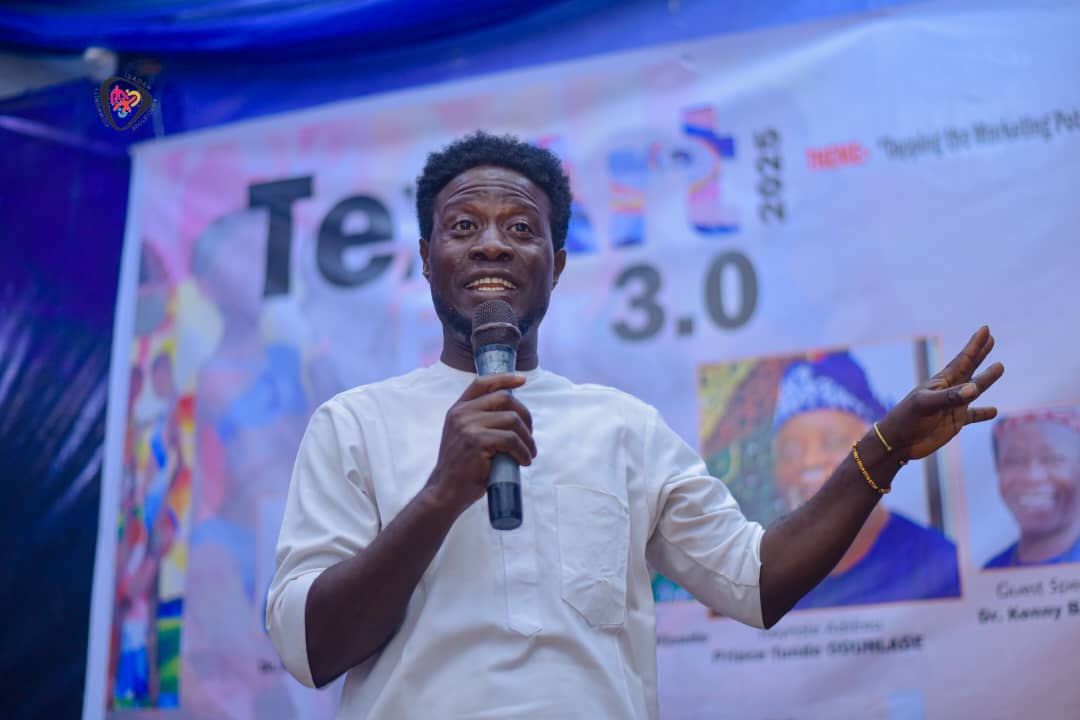
This was followed by a detailed introduction of the program by the Convener, Mr. Wale Asubiojo, CEO/Founder of BlackulHeritage Studios, Nigeria, who emphasized the fair’s mission to connect creators with sustainable market opportunities.
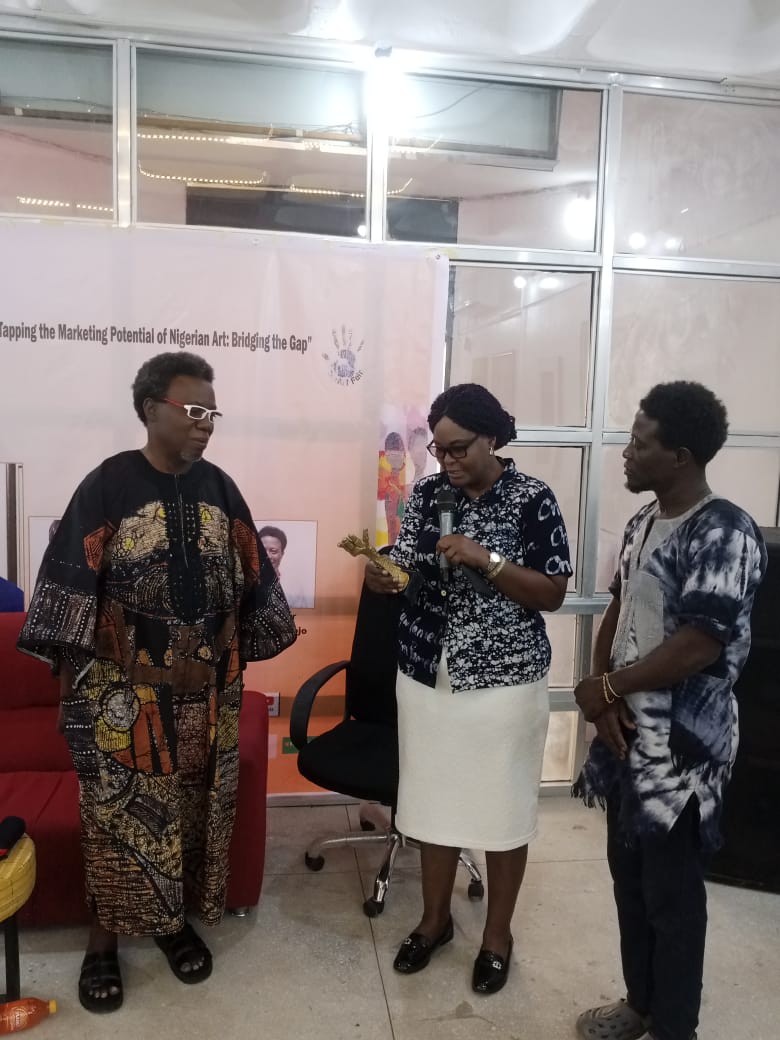
A major highlight of Texart Fair 3.0 was the presentation of Awards of Recognition to renowned Nigerian art icons, including Tola Wewe; Prince Tunde Odunlade; Tunde Kelani; the Olubadan of Ibadan, His Imperial Majesty, Oba Sen. Rashidi Adewolu Ladoja; and His Royal Majesty, Oba Jacob Esan Gbegbaaje III, The Onijinmo of Ijinmoland, among others, in celebration of their outstanding contributions to the development and global recognition of Nigerian art.
The programme recorded an impressive attendance, with students, staff, and non-staff of the National Museum of Unity, as well as members of the general public, actively participating throughout the three days.
Texart Fair 3.0 reaffirmed its role as a vital platform for dialogue, exhibition, networking, and recognition within Nigeria’s growing creative industry, successfully bridging the gap between artistic production and market opportunities.
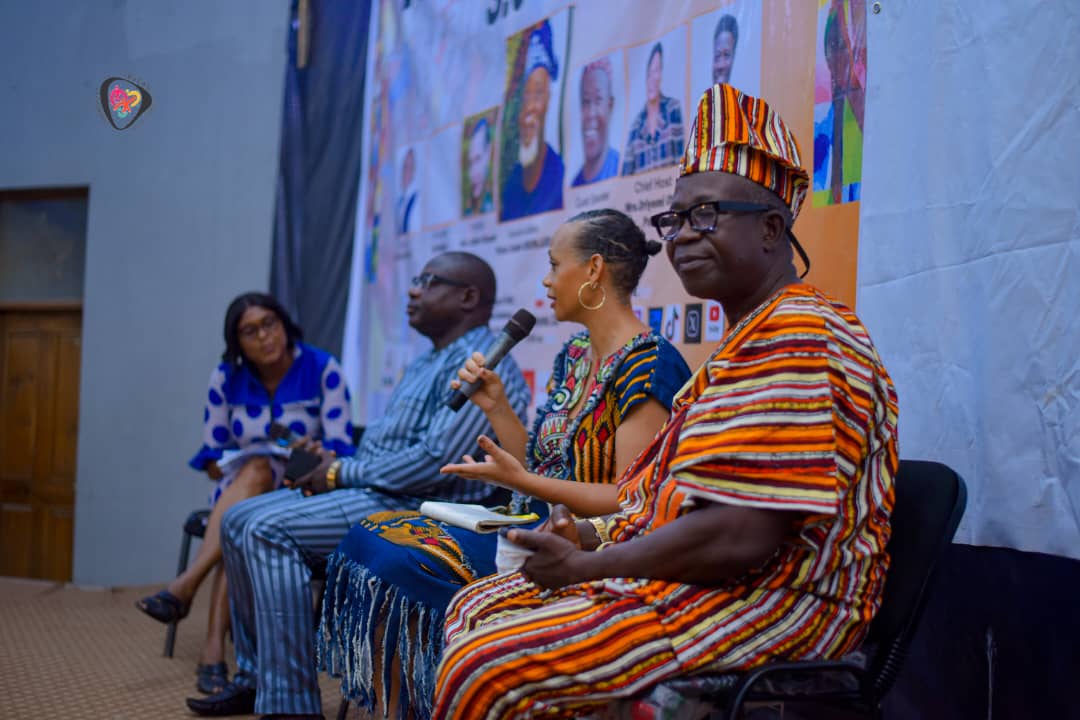
The event featured a panel discussion with Dr. Kenny Badaru, a retired lecturer from Federal College of Education, Osiele, Abeokuta, as the guest speaker; Dr. Kola Lawal, Dean of the Faculty of Environmental Studies, The Polytechnic Ibadan; and Mrs. Amber Sijuade, an art entrepreneur.
In his paper, titled “Tapping The Market Potential of Nigerian Art: Bridging the Gap”, Badaru highlighted what must be done in order to expand art business in Nigeria and make its art more competitive in the global market, while affirming that Nigeria has a rich and very diverse artistic heritage.
However, he said Nigerian art is underrepresented in the global market, despite the fact that there Is a growing interest in it. He then stated the way out of this underrepresentation in the global market, which he termed “A Call for Action.”
1.- Government needs to provide grants, create policies and support creative infrastructure.
2 – Private sector needs to be encouraged to invest in art galleries, exhibitions and art start-ups.
3 – Artists and youth need to get their priorities right, explore the abundant opportunities in art, embrace digital tools, collaborate and market their artworks more boldly.
4 – Educators need to change their mindset and embrace art education with all sincerity. Art education should be properly integrated into the curriculum and community center.
Strategies for Improved Art Patronage.
Improved patronage of the arts involves a combination of marketing, networking and enhanced visibility.
– Enhanced Online Presence.
1 – A strong online presence is crucial for reaching a wider audience and increasing patronage. This has to do with how internet friendly we are. What is the quality of the pictures of artworks we upload?
2 – Your presence on the internet speak volumes about you.
3 – How many arts friendly websites do you know?. “
The contemporary art exhibition featured entries from artists across the country, especially from the south-west region, including Mr. Yacoub Adeleke, Mr. Bamidele George Agbezin, Mrs. Olaide Turner Moyet, and many others.
The major partner and sponsor, Planet Bottling Company, along with other partners, including Ready Car, Nigerian Tribune, Heritage News, and many others, contributed to the success of the event.
Comments