



The last performer: The weight of presence after the applause

Yinka Olatunbosun
Ayobami Adelaye works within a territory where figuration, symbolism, and psychological narrative intersect. In The Last Performer, he presents a compelling meditation on endurance, identity, and the uneasy relationship between performance and selfhood.
Adelaye is a Nigerian-born, UK-based multidisciplinary artist whose practice frequently explores the human condition through fragmented forms, abstraction, and symbolic imagery. His work often examines what remains after moments of transformation, conflict, or emotional strain, using the figure as a vehicle for broader social and personal reflection.
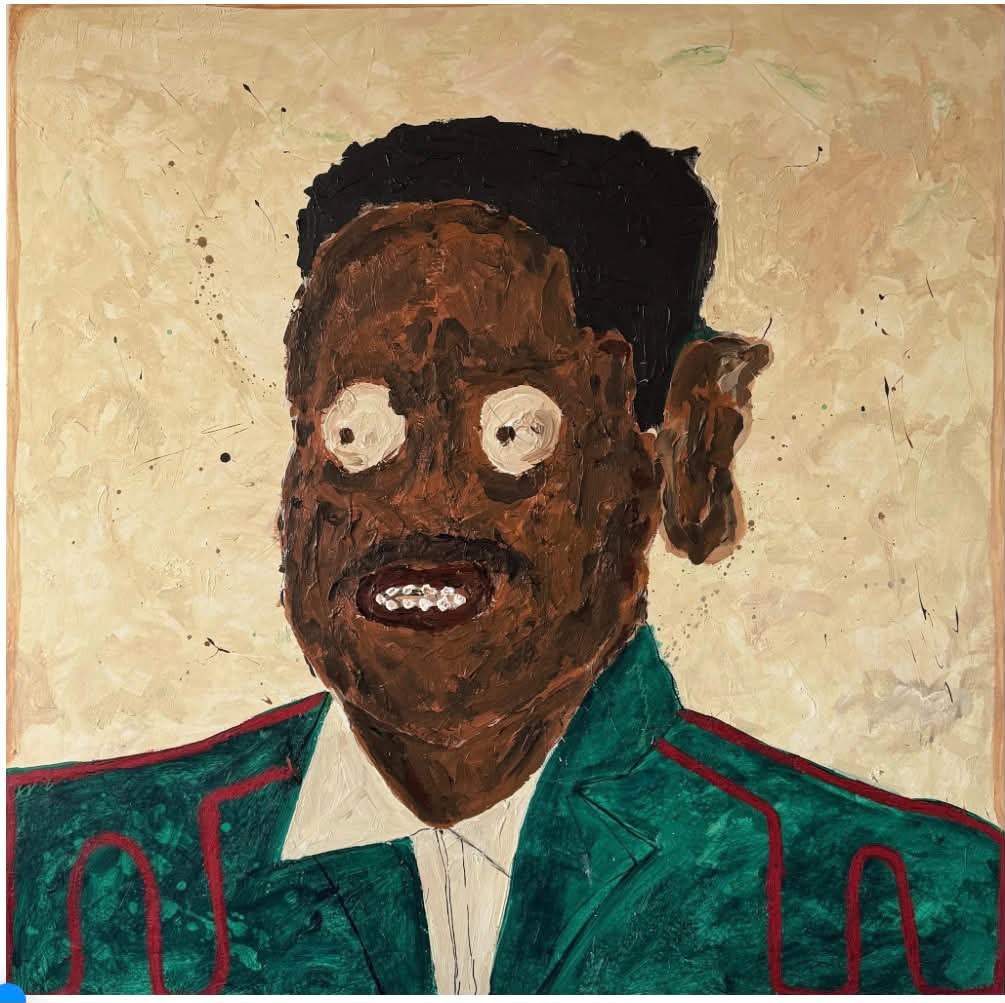
In The Last Performer, a solitary figure occupies the pictorial space with a presence that feels both theatrical and deeply vulnerable. The work immediately draws attention through its atmosphere of suspension. The performer appears caught between roles, existing in a moment after the spectacle has ended but before departure is possible. Rather than depicting action, Adelaye focuses on what follows it.
The composition is carefully controlled. Forms emerge and recede, allowing the figure to carry both physical and symbolic weight. Colour and gesture are used not as decoration but as emotional structure, creating a visual rhythm that directs attention toward the psychological state of the subject. The surrounding space becomes as important as the figure itself, reinforcing themes of isolation, memory, and persistence.
What makes the work particularly effective is its refusal to provide certainty. The performer can be read as an artist, a labourer, a public figure, or simply an individual navigating the expectations imposed by society. Adelaye leaves these possibilities open, encouraging viewers to bring their own experiences to the image.
The title plays an important role. The Last Performer suggests finality, yet the figure remains present. This tension between ending and continuation becomes central to the work’s meaning. The performance may be over, but its emotional consequences linger. The subject remains burdened by what has already occurred, carrying traces of past roles, responsibilities, and expectations.
What sets this work apart is its emotional restraint. Adelaye avoids overt drama, relying instead on atmosphere, composition, and symbolism to communicate complex ideas. The result is a work that feels contemplative rather than declarative, inviting prolonged engagement rather than immediate resolution.
With The Last Performer, Adelaye continues to develop a visual language centred on resilience and human experience. The work stands as a thoughtful reflection on what remains when public performance gives way to private reality, demonstrating the artist’s ability to transform a single figure into a broader meditation on endurance, identity, and memory.
Comments