


Dozens killed, thousands arrested as Iran protests defy total blackout

 Quick Read
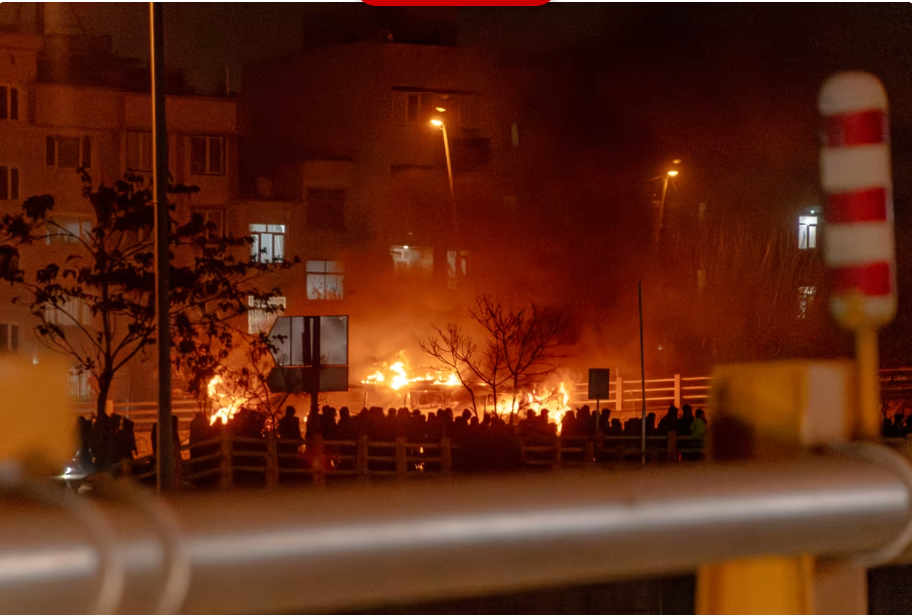
Accounts from inside Iran describe huge crowds as well as severe violence, with injured people struggling to access care as hospitals face intense pressure and patients fear identification in a widening crackdown.
By Kazeem Ugbodaga
Anti-government protests in Iran have turned deadlier after two weeks of unrest, with a US-based rights group reporting at least 65 people killed and more than 2,300 arrested, even as authorities maintain a sweeping communications blackout that monitors say has cut most of the country off from the outside world.
Iranian state media on Saturday said security forces had arrested at least 200 “ringleaders” and seized what it described as a “significant cache of weapons,” alleging links to “terrorist groups,” claims that could not be independently verified.
The demonstrations, which began in late December amid a worsening economic squeeze, have spread widely, with reports of protests in more than 100 cities.
Accounts from inside Iran describe huge crowds as well as severe violence, with injured people struggling to access care as hospitals face intense pressure and patients fear identification in a widening crackdown.
A central plank of the government response has been the internet shutdown. NetBlocks has described the disruption as a near-total nationwide blackout, while analysts say selective access may be maintained for high-value connections.
The blackout has not stopped Iran’s senior leadership from communicating online, raising further questions about how information controls are being applied.
International pressure has also intensified. US Secretary of State Marco Rubio said Washington “supports the brave people of Iran,” after President Donald Trump issued fresh warnings to Tehran over the use of force against demonstrators, rhetoric Iran’s leadership has rejected, with Supreme Leader Ayatollah Ali Khamenei blaming the United States for fomenting the unrest.
Meanwhile, prominent Iranian cultural figures have condemned the blackout as a tool to conceal state violence and isolate citizens, urging global attention as the protests enter a volatile new phase.
Comments