


Uganda: 81-Year-Old Museveni clinches Controversial Landslide Seventh Term

 Quick Read
On election day and in the days that followed, reports of violence surfaced, including clashes in several regions and at least seven deaths noted by local authorities and opposition sources.
By Kazeem Ugbodaga
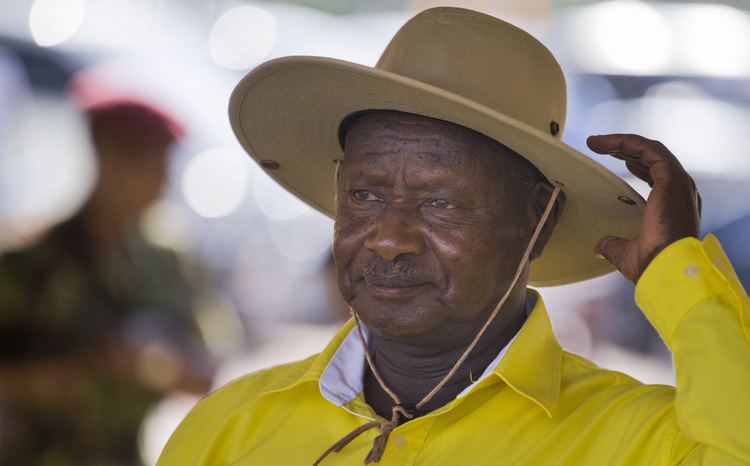
Veteran President Yoweri Museveni has won a seventh term in Uganda’s 2026 presidential election, extending his rule into a fifth decade in office, according to official results announced on January 17.
The Electoral Commission of Uganda declared Museveni the victor with 71.65 % of the vote, while his main challenger, pop star-turned-politician Bobi Wine, real name Kyagulanyi Ssentamu, took 24.72 %, a result his camp has rejected as illegitimate.
The polls were held on January 15 in a climate of intense political tension and widespread criticism. Before and after voting, opposition figures raised repeated allegations of repression, intimidation and vote rigging, charges rejected by authorities but echoed by international observers.
The election was also conducted under a nationwide internet blackout, which the government said was necessary to prevent “misinformation,” but which critics argue hindered transparency and accountability.
Opposition leaders said security forces repeatedly disrupted campaign events and detained supporters during the run-up to the vote.
On election day and in the days that followed, reports of violence surfaced, including clashes in several regions and at least seven deaths noted by local authorities and opposition sources.
Opponents blamed state security operations for the unrest, while officials described some incidents as clashes with armed groups.
Wine, 43, labelled the election outcome “fake results” and urged citizens to pursue peaceful protests, contending that the process was skewed in favour of the entrenched incumbent.
He also claimed he had to flee his home amid a heavy security presence and that members of his campaign team were abducted; police, however, denied detaining him and said they had restricted access to his residence for security reasons.
Museveni, 81, first came to power in 1986 after leading a guerrilla struggle and has since overseen deep changes to Uganda’s political landscape, including the removal of constitutional limits on age and tenure.
Critics argue these moves have entrenched an authoritarian system, and successive elections have seen persistent allegations of irregularities.
Supporters, however, cite decades of relative stability and economic development under his leadership, particularly in regional security and infrastructure projects.
International reactions have been mixed. Some regional partners emphasise the need for political stability in East Africa, while rights groups and foreign observers have expressed concern about electoral fairness and human rights conditions.
The internet shutdown and reported suppression of civic groups have drawn particular scrutiny, with calls for improved democratic standards ahead of future contests.
Comments