


Why Orji Uzor Kalu’s Abia years remain a benchmark – Team OUK

 Quick Read
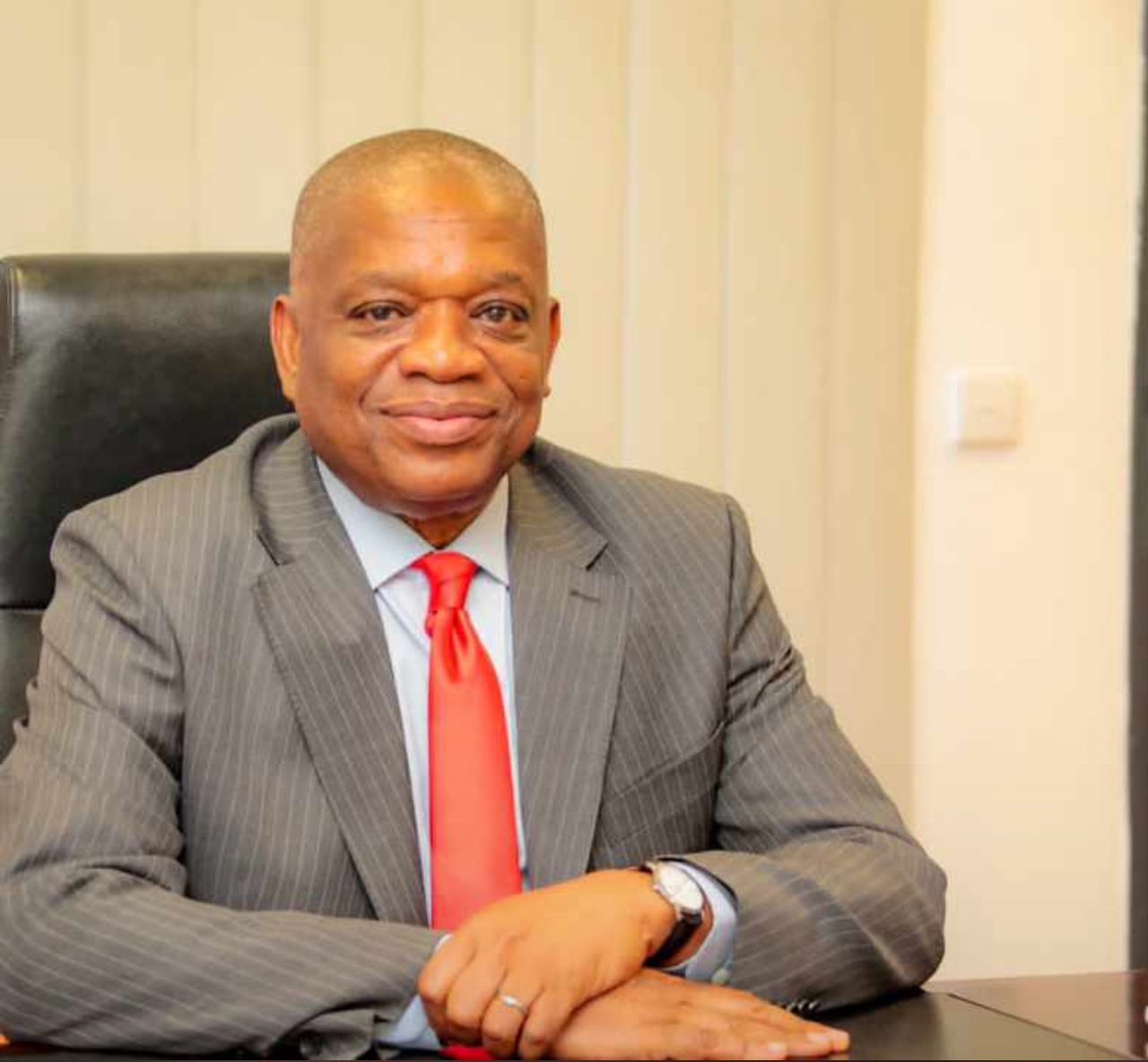
Supporters of former Abia State Governor and current Senator representing Abia North, Orji Uzor Kalu, have argued that his years in office remain a reference point for governance in the state, urging Abians to assess leadership based on impact rather than the volume of funds available to an administration.
Supporters of former Abia State Governor and current Senator representing Abia North, Orji Uzor Kalu, have argued that his years in office remain a reference point for governance in the state, urging Abians to assess leadership based on impact rather than the volume of funds available to an administration.
The group, operating under the banner Team OUK, anchored its argument on a recent statement credited to Senator Kalu in which he said: “The money I received in eight years is what Governor Alex Otti is receiving in four months.”
According to the group, the remark was not meant as a boast but as an invitation for reflection on governance outcomes across different eras in Abia State.
Abia in 1999: A Difficult Starting Point
Team OUK recalled that when Orji Uzor Kalu assumed office in 1999, Abia State was grappling with severe institutional and infrastructural decay. They noted that major roads were largely impassable, especially in Aba, the commercial hub of the South-East, while public confidence in government was low.
They also pointed out that the state’s finances at the time were constrained by low federal allocations, weak Internally Generated Revenue (IGR), and a national economy still adjusting after years of military rule.
In contrast, the group said Governor Alex Otti assumed office in 2023 under markedly different circumstances, including a more stable democratic environment, higher FAAC inflows, access to modern financing options, digital governance tools, and a more mature fiscal structure between the federal and state governments.
Early Years of the Kalu Administration
The group maintained that Senator Kalu’s administration was defined by early action despite limited resources. According to them, within his first two years in office, the government rolled out a development blueprint focused on infrastructure and commerce, rehabilitated major roads across Aba and Umuahia, and restored morale in the civil service.
They further recalled that the scale of infrastructure delivery during that period attracted national attention, leading former President Olusegun Obasanjo to publicly refer to Kalu as “The Action Governor” during an official visit to the state.
Governance Under Scarcity
Team OUK argued that the former governor operated during a period of lower oil prices, limited borrowing capacity for states, and weaker fiscal autonomy. Despite these constraints, they claimed his administration delivered visible infrastructure, revived Aba’s commercial relevance, expanded youth engagement through sports and enterprise, improved security coordination, and invested in education and healthcare.
They stressed that projects executed during that era were “visible and functional,” adding that governance was measured by outcomes rather than media narratives.
Debate Over Funding and Inflation
Addressing arguments that comparisons between past and present administrations are flawed due to inflation and currency strength, the group dismissed such claims as insufficient.
They contended that current FAAC allocations to states are not only higher in nominal terms but structurally larger, driven by expanded revenue pools and revised sharing formulas. According to them, even when adjusted for inflation, today’s monthly allocations exceed what many states received annually in the early 2000s.
They further noted that Nigeria’s economy, financial markets, and procurement systems are more advanced today, giving current administrations more tools to deliver capital projects efficiently.
Rising Expectations
The group observed that Abia State currently receives what they described as record monthly revenues, arguing that higher inflows naturally come with higher public expectations.
They listed questions they said many Abians are asking, including the scale of completed infrastructure projects, the number of functional smart schools, job creation outcomes, the impact of industrial clusters in Aba, and measurable gains in youth development.
According to Team OUK, these questions are not rooted in opposition politics but in accountability.
Call for Honest Comparison
While acknowledging that no administration is without flaws, the group maintained that Kalu’s tenure was marked by tangible projects and a visible government presence across local government areas.
They also argued that the current administration benefits from structures and templates laid during earlier administrations, including Kalu’s, and urged for what they described as historical honesty in assessing Abia’s development trajectory.
Leadership and Legacy
Team OUK concluded that history ultimately judges leaders by results rather than explanations, insisting that Orji Uzor Kalu governed under more difficult conditions but delivered outcomes that remain reference points years later.
They maintained that with increased revenues today, Abians are justified in demanding faster development, broader prosperity, and deeper impact from current leadership.
Comments