


Rising Living Costs and Economic Pressure – Nigeria and the World Enter 2026 on Edge

 Quick Read
As Nigeria approaches 2026, households are watching closely. Food prices, transport costs, and rent remain key concerns. Many people hope for greater stability in the currency and clearer signs that reforms are beginning to ease pressure. Global developments, including interest rate decisions abroad, will continue to influence local conditions.
Nigeria is closing the year under heavy economic pressure. Across the country, conversations about money have become part of everyday life. People talk about food prices at bus stops and markets. Transport fares are discussed in offices and schools. Even digital topics like the use of a forex trading app now come up in casual conversations, not because people want to invest, but because the value of money itself feels uncertain. As the year ends and a new one approaches, the cost of living remains a major concern for households.
This pressure is not limited to Nigeria alone. Around the world, many countries are dealing with rising prices and economic strain. Global inflation has eased in some places but remains stubborn in others. For Nigeria, local challenges are made harder by global conditions. The combination of domestic reforms and international economic stress has created a difficult environment as the country moves toward 2026.
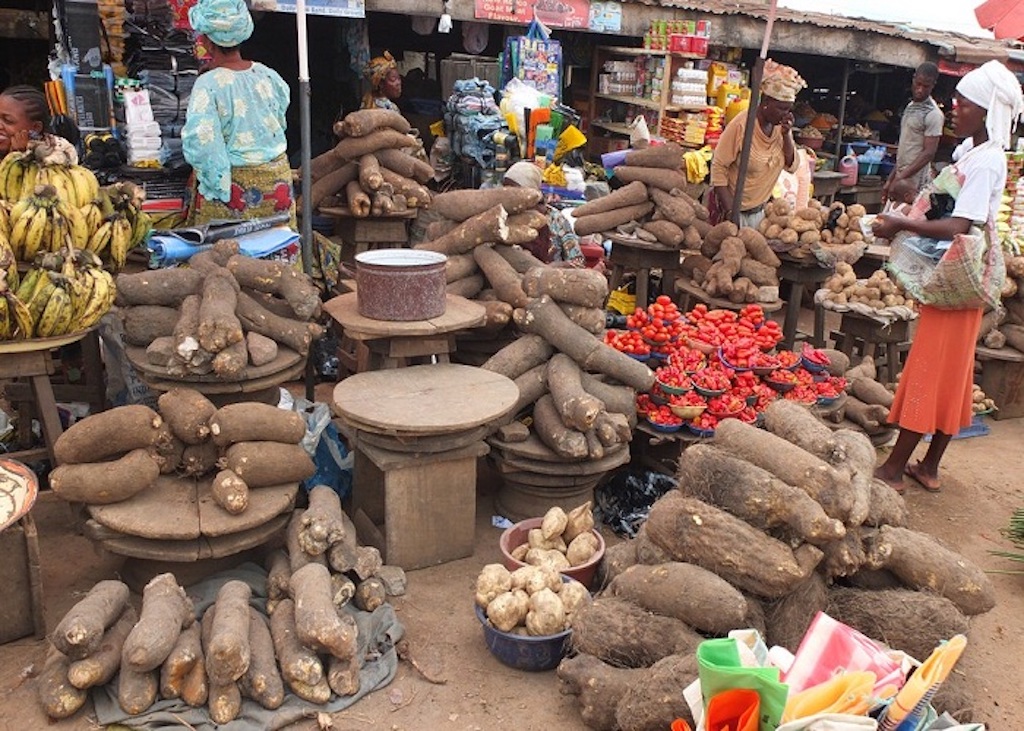
Food remains the biggest worry for most Nigerian families. Prices of staples such as rice, beans, garri, and cooking oil are still high. Market traders say restocking goods costs more than it did a year ago. Transport costs have also remained elevated since the removal of fuel subsidy. Even short trips now take a bigger share of daily income. For households already stretched thin, these increases leave little room for savings.
Rent is another growing concern, especially in urban areas. Landlords face higher maintenance costs and pass them on to tenants. In many cities, rent increases have outpaced income growth. Families are forced to move further from city centres or share accommodation. In rural areas, rising costs of farm inputs and transportation affect food supply and prices in local markets.
Wages have not kept up with rising prices. While discussions around minimum wage adjustments have continued, many workers say their earnings still fall short. Public sector workers wait for implementation of agreements, while private sector employees often rely on fixed salaries with no adjustment for inflation. Small business owners face their own challenges as customers reduce spending.
Currency pressure has added another layer to the problem. The naira has experienced periods of volatility in recent months. This affects importers and manufacturers who depend on foreign inputs. The cost of medicines, fuel, and spare parts often rises when the currency weakens. Businesses struggle to plan ahead when exchange rates change frequently. These pressures eventually reach consumers through higher prices.
The Central Bank of Nigeria has continued efforts to manage the situation through policy adjustments and market interventions. Officials have spoken about improving transparency and restoring confidence. While some stability has been observed at times, uncertainty remains. Many Nigerians feel the impact not through policy announcements but through what they pay for goods and services.
Beyond Nigeria’s borders, global economic conditions remain challenging. Interest rates in major economies such as the United States and parts of Europe have stayed high for longer than expected. This has reduced the flow of cheap money into developing countries. Investors are cautious and prefer safer markets. For countries like Nigeria, this means less external support during a period of internal adjustment.
Global conflicts and trade disruptions have also played a role. Shipping costs remain sensitive to geopolitical developments. Energy markets continue to react to tensions in different regions. These global factors influence the prices of imported goods and fuel. Nigeria’s dependence on imports makes it more exposed to such shocks.
Oil remains central to Nigeria’s economy, and global oil prices still shape government revenue. While production has shown signs of improvement, revenue remains tied to international demand and pricing. Any sudden changes in the global energy market can quickly affect public finances. This uncertainty complicates planning and budgeting as the country prepares for a new year.
The government has acknowledged the hardship faced by citizens and has pointed to measures aimed at easing the burden. Officials highlight efforts to strengthen fiscal discipline and improve revenue collection. Budget projections suggest gradual improvement rather than quick relief. Social support programmes have been discussed as a way to protect vulnerable groups, though many Nigerians say they are yet to feel the impact.
Other countries are facing similar challenges. In parts of Africa and beyond, rising living costs have sparked public frustration. Countries such as Egypt and Ghana have also struggled with inflation and currency pressure. Some governments have expanded social support, while others have faced protests and labour unrest. There is no simple solution, and each country’s experience offers lessons.
As Nigeria approaches 2026, households are watching closely. Food prices, transport costs, and rent remain key concerns. Many people hope for greater stability in the currency and clearer signs that reforms are beginning to ease pressure. Global developments, including interest rate decisions abroad, will continue to influence local conditions.
The cost of living has become more than an economic issue. It shapes how people plan their lives and make decisions. It affects education, healthcare, and family stability. As the year ends, Nigeria stands at a difficult point. The challenges are real and ongoing. How the country navigates the months ahead will matter deeply for millions of citizens trying to make ends meet in an uncertain world.
Comments