


We Have Nowhere to Go: Inside Makoko’s demolition tragedy

 Quick Read
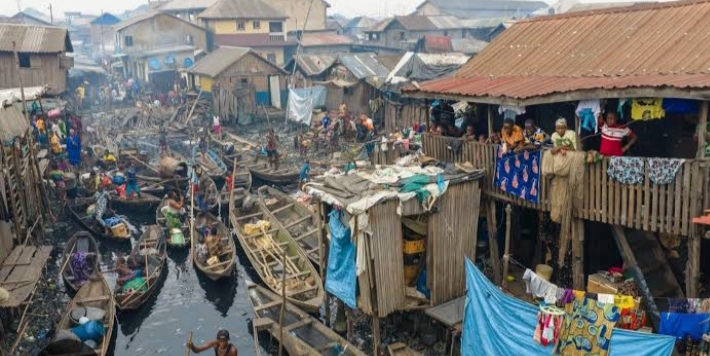
Makoko, a historic floating fishing community in Lagos, is facing a serious humanitarian crisis following an ongoing demolition exercise by the Lagos State Government.
Makoko, a historic floating fishing community in Lagos, is facing a serious humanitarian crisis following an ongoing demolition exercise by the Lagos State Government.
Thousands of residents have been left homeless. Many families, including women, children, widows and elderly people, are now sleeping inside canoes, beside the lagoon or under the open sky.
Entire rows of wooden houses and shops have been destroyed, leaving behind broken planks, scattered belongings and people struggling to survive.
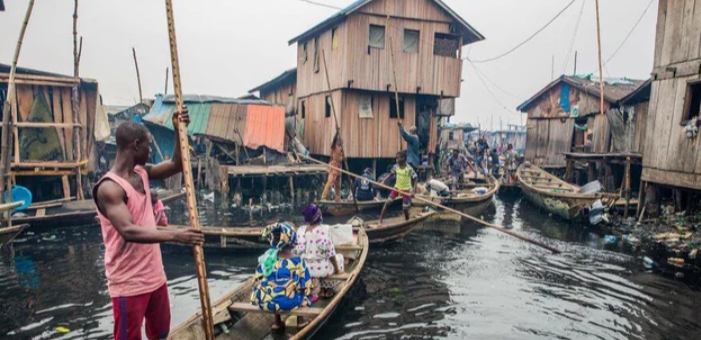
Makoko is home to fishermen, traders and artisans whose lives depend on the lagoon. For many residents, the demolition has not only taken away their homes but also destroyed their sources of livelihood.
Demolition began quietly in December
Residents said the demolition started quietly in December 2025 before gaining public attention.
According to them, the exercise moved gradually from one area to another with little warning or engagement.
“They started from one side and kept moving closer,” said Sunday Adebayo, a community elder who has lived in Makoko for over 20 years.
“At first, we thought it would stop. By January, it became massive. That was when we realised they wanted to wipe out the community in the name of development. Everything we own is gone,” he said.
Before the demolition, residents survived through fishing, trading and small businesses run from their homes. Today, most of those activities have stopped.
A 35-year-old fisherman, Oyomide, said he no longer knows how to feed his family.
“This water is how we survive. I go fishing every morning, my wife smokes fish and we sell small. But when they destroyed our house, everything was lost. My fishing net was damaged and my canoe almost sank. Since then, we have not eaten well,” he said.
A mother of four said hunger has become their daily reality.
“Before, even if money was small, we could find something to eat. Now, there is nothing. No house, no shop, no work. Sometimes my children sleep without food. As a mother, it pains me deeply,” she said.
Many residents said they lost savings, goods, fishing tools and household items during the demolition.
“They did not give us time to pack anything. My money, mattress and radio are all gone,” an elderly man said.
“This is the only home we have known”
Several residents said Makoko is their ancestral home.
A 52-year-old fisherman, Balogun Adekunle, said his family has lived in the community for more than 40 years.
“My father lived here. I was born here. My children were born here. This is the only home we have ever known,” he said.
A widow with three children said she has nowhere else to go.
“My husband died five years ago. This house was all we had to survive. Now it has been destroyed. I am alone with my children. Where do they expect us to go?” she asked.
Sleeping in canoes, exposed to rain and mosquitoes
Displaced residents said the government has not provided any temporary shelter or relief camp.
When it rains, they get soaked. When the sun is hot, there is no shade. At night, mosquitoes attack freely. Mothers hold their children tightly inside wooden boats.
“If rain falls, it beats us. If sun comes, it burns us. Mosquitoes don’t spare anyone. They destroyed my shop. How will my children eat?” one woman said.
A father of five said his children now fall sick regularly.
“My children cough every night because of the cold. We have no roof over our heads. I don’t know what will happen tomorrow,” he said.
Some residents said they tried to stay with relatives but were turned away because they had no money to support feeding.
Allegations of night demolitions and fires
Residents also alleged that some demolitions were carried out at night.
“One night, after midnight, bulldozers came while people were sleeping. Children were crying. Nobody listened to us,” one resident said.
Others alleged that some houses were set on fire, forcing occupants to flee with only the clothes they were wearing.
Children forced out of school
Many parents said their children have stopped going to school because they can no longer afford school fees, uniforms or transportation.
“My children are no longer in school. Their uniforms were destroyed and I have no money to replace them,” a mother said.
Teachers in nearby schools confirmed that attendance of children from Makoko has dropped sharply.
Deaths, trauma and unanswered questions
Residents and civil society groups alleged that several people have died due to stress, illness and trauma linked to the demolition and displacement.
Some families said loved ones became sick shortly after losing their homes and later died because they had no access to proper shelter or healthcare.
While the state government has not officially confirmed these deaths, residents insist that the human cost is real and devastating.
Government’s position
The Lagos State Government said the demolished structures were built under high-tension power lines and posed serious danger to lives.
The government insisted that the buildings had been marked earlier and that compensation arrangements were being made.
However, residents disputed this claim, saying many of the destroyed houses were far away from the power lines.
“Some houses they destroyed are not close to the cables at all,” one resident said.
Assembly backs demolition
The Lagos State House of Assembly backed the demolition, saying it was necessary to protect public safety and promote orderly urban development.
Lawmakers said illegal structures along shorelines pose security and environmental risks.
Residents, however, said the decision showed a refusal to listen to the voices of the poor.
“We protested and cried, but nobody listened. They said development must continue, even if it destroys our lives,” a community youth leader said.
A future filled with fear
As night falls on Makoko, fear and uncertainty remain.
Fishermen are unsure if they can still fish. Traders wonder how to start again. Parents worry about how to feed their children the next day.
For now, Makoko stands as a painful example of how development, when poorly managed, can destroy lives instead of improving them.
Comments