



New evidence from Egypt emerges, suggesting Biblical giants were real

 Quick Read
A 3,300-year-old Egyptian document, recently resurfaced from the British Museum, is sparking fresh debate over the possibility that the giants described in the Bible were real.
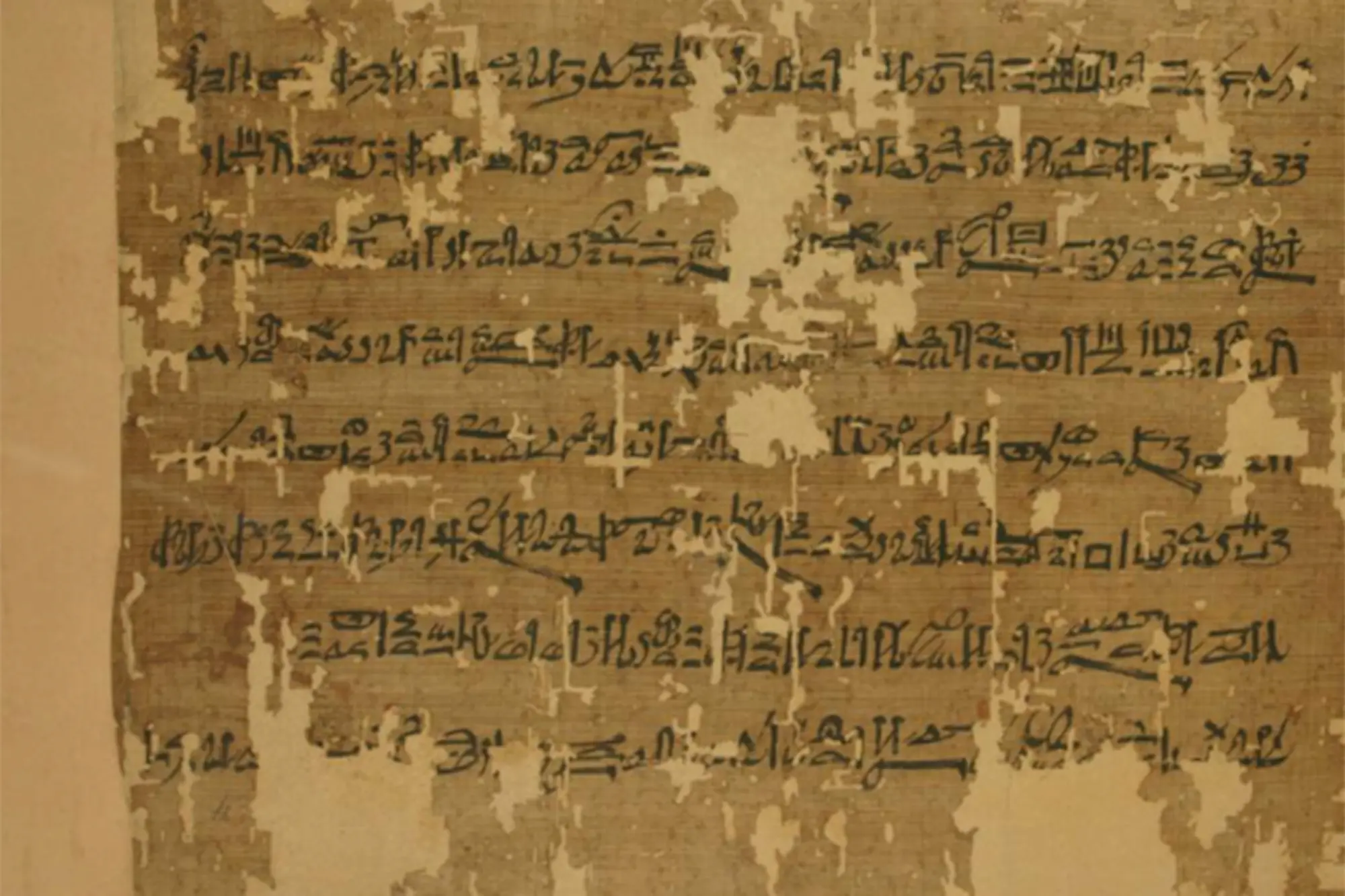
A 3,300-year-old Egyptian document, recently resurfaced from the British Museum, is sparking fresh debate over the possibility that the giants described in the Bible were real.
The papyrus, known as Anastasi I, has been in the museum’s collection since 1839 but was recently brought back into focus by the Associates for Biblical Research, a Pennsylvania-based religious organization.
Historians say the scroll may provide historical context for the Nephilim, the “sons of God” described in Genesis 6, who were believed to have terrorized humans and prompted the biblical Flood.
The document, dating back to the 13th century BCE, mentions encounters with the Shosu people, described as being nearly eight feet tall. The scroll reads in part: “The narrow defile is infested with Shosu concealed beneath the bushes; some of them are of four cubits or of five cubits, from head to foot, fierce of face, their heart is not mild, and they hearken not to coaxing.”
For context, “four cubits or five cubits” roughly translates to eight feet in height, lending weight to claims that ancient humans of extraordinary stature may have existed.
The Israelites themselves reportedly feared such figures, as reflected in Numbers 13:33: “And there we saw the giants, the sons of Anak, which come of the giants: and we were in our own sight as grasshoppers, and so we were in their sight.”
Despite the tantalizing claims, mainstream historians remain cautious. There is no concrete archaeological evidence confirming the existence of giants. Similar reports, such as tales of “supersized humans” in Central America or discoveries in Nevada—where miners allegedly found 60 skeletons measuring between seven and eight feet—continue to intrigue but also puzzle scientists.
Comments