


What is eKYC?

 Quick Read
As companies increasingly adopt advanced KYC solutions to meet regulatory standards, the shift from traditional, in-person verification to electronic Know Your Customer (eKYC) systems is both essential and inevitable...
In the digital age, eKYC has transformed customer identity verification, enabling entirely online processes that align with modern business needs. As companies increasingly adopt advanced KYC solutions to meet regulatory standards, the shift from traditional, in-person verification to electronic Know Your Customer (eKYC) systems is both essential and inevitable. This article delves into what eKYC entails, how it differs from traditional KYC, and why it is indispensable for businesses today.
What is eKYC?
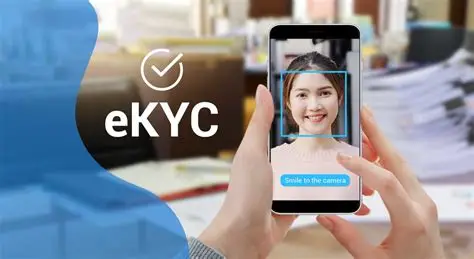
eKYC (electronic Know Your Customer) is a digital alternative to traditional KYC processes, designed to verify a customer’s identity remotely before facilitating transactions or account creation. By leveraging technology, eKYC eliminates the need for physical presence, streamlines onboarding, and automates identity verification processes, increasing efficiency and reducing operational costs.
eKYC is crucial for combating financial crimes, including money laundering and terrorism financing. Regulatory frameworks worldwide support eKYC due to its reliability. For instance, Qatar Central Bank’s 2023 eKYC procedures allow financial services to verify non-residents online, illustrating the framework’s global applicability.
eKYC vs. KYC: What’s the Difference?
While both eKYC and traditional KYC solutions aim to verify identities and prevent fraud, their methodologies differ:
● Traditional KYC: Requires physical interactions where customers present documents in person for verification.
● eKYC: Operates entirely online, utilizing automated systems to verify ID documents, biometrics, and other identifiers.
The digital nature of eKYC offers distinct advantages, including faster onboarding, reduced operational costs, and the ability to serve customers across borders efficiently.
The eKYC Process
The eKYC process comprises several automated steps, often completed within seconds:
1. Customer Uploads an ID Document: Customers provide a passport, ID card, or similar document via a mobile device or web application.
2. Document Verification: Technologies like OCR, NFC, and MRZ scanning authenticate the document’s validity, cross-referencing databases when necessary.
3. Selfie Submission: Customers submit a selfie, matched with the ID photo through facial recognition software.
4. Liveness Check: Ensures a real person is present via passive or active interactions, such as head movements or dynamic hologram verification.
5. Data Review: Automated systems analyze the information and approve or flag the customer for further checks.
Benefits of eKYC
Adopting eKYC provides significant advantages:
● Faster Onboarding: Accelerates customer registration with automated verification.
● Fraud Prevention: Minimizes identity fraud risks through biometric and document verification.
● Cost Efficiency: Reduces operational expenses by eliminating manual processes.
● Global Scalability: Facilitates seamless onboarding of customers worldwide.
The Types of eKYC
eKYC implementations vary by method:
1. Aadhaar-Based eKYC: Popular in India, leveraging the Aadhaar ID system for secure identity verification.
2. Document and Biometric Verification: Combines document scanning with facial recognition and liveness detection.
3. Video KYC: Conducted through real-time video calls with verification agents to confirm authenticity.
Use Cases of eKYC in Different Industries
eKYC is utilized across multiple sectors:
● Banking: For onboarding, upgrading accounts, and monitoring transactions.
● FinTech: Simplifies user registration and enhances online transaction security.
● Cryptocurrency: Ensures compliance by verifying accounts before granting full access.
● Telecommunications: Manages customer profiles and registers SIM cards.
Challenges in Implementing eKYC
Despite its benefits, eKYC presents challenges:
● Deepfake Threats: Fraudsters use AI-generated images or videos to bypass biometric systems.
● Regulatory Compliance: Adapting to evolving global standards requires frequent updates.
● User Experience: Balancing robust security with a smooth verification process can be complex.
● Fraud Exploitation: Scammers may misuse eKYC processes for phishing attacks.
To address these issues, businesses must employ advanced ID verification technologies, conduct customer awareness campaigns, and continuously monitor for emerging threats.
Conclusion
The adoption of eKYC and modern KYC solutions is vital for businesses aiming to remain competitive and compliant in today’s digital-first environment. By automating identity verification, eKYC enhances security, streamlines customer experiences, and supports global scalability. As technology evolves, addressing the challenges of eKYC implementation will ensure its continued effectiveness. Regula’s robust document verification and facial recognition technologies offer reliable support for businesses transitioning to eKYC, safeguarding their operations in an increasingly digital world.
Comments