


Why we banned sachet alcohol – NAFDAC

 Quick Read
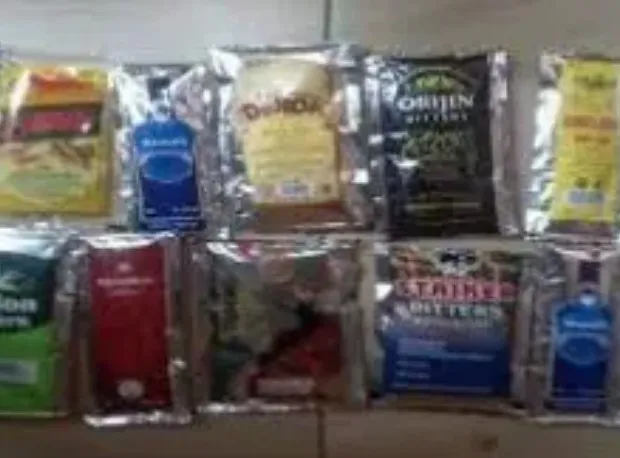
According to a national survey released by the agency, 54 per cent of minors and underage children buy alcohol for themselves, mostly in small sachets and bottles that are easy to hide.
NAFDAC has defended its ban on alcohol sold in sachets and small bottles, saying new data shows that many Nigerian children buy and drink alcohol on their own.
According to a national survey released by the agency, 54 per cent of minors and underage children buy alcohol for themselves, mostly in small sachets and bottles that are easy to hide.
NAFDAC said this finding supports its decision to stop the sale of alcohol in sachets and bottles smaller than 200 millilitres.
The survey also revealed that almost one in every 10 children under the age of 13 drinks alcohol every day, raising serious concerns about early exposure and public health risks.
The study was carried out by Research and Data Solutions Ltd, Abuja, and was sponsored by the Distillers and Blenders Association of Nigeria (DIBAN) in collaboration with NAFDAC.
NAFDAC Director-General, Prof. Mojisola Adeyeye, said children’s access to alcohol would reduce if small, easy-to-hide packaging is no longer available. She explained that banning sachets and small bottles would help curb underage drinking.
The ban has faced strong opposition from alcohol manufacturers, distributors, and small traders, who argue that it could affect jobs and disrupt business activities.
However, NAFDAC said the survey was conducted because alcohol abuse among young people is increasing in Nigeria. The agency blamed this rise on the growing availability, production, importation, and consumption of alcoholic drinks.
The survey was carried out in six states representing Nigeria’s six geopolitical zones: Gombe, Kaduna, Abuja (FCT), Anambra, Lagos, and Rivers.
A total of 1,788 people took part in the survey, which was designed to produce reliable results with a 95 per cent confidence level.
Participants were grouped by age:
Under 13 years – minors
13 to 17 years – underage
18 years and above – adults
Data were collected using questionnaires administered by trained researchers through a digital platform, after getting consent from participants.
Results showed that access to alcohol among minors and underage persons is still very common. About 54.3 per cent said they buy alcohol themselves, while 49.9 per cent said they mostly buy alcohol sold in sachets and plastic bottles. Others said they get alcohol from liquor shops, restaurants, and supermarkets.
NAFDAC said these findings show why stricter control of alcohol packaging and sales is necessary to protect children and young people.
Comments