


How Oluremi Tinubu’s presence at Trump’s prayer breakfast marked new dawn for Nigeria–US relations

 Quick Read
In a venerated hall in Washington, D.C., where the realms of power and prayer beautifully converge, a monumental event took place on February 5, 2026. This was not merely a day on the calendar; it was a transformative moment that echoed through the city’s historic halls, redefining the narrative of diplomacy and faith in an age of uncertainty.
Dr. Olukayode Ajulo, OON, SAN
In a venerated hall in Washington, D.C., where the realms of power and prayer beautifully converge, a monumental event took place on February 5, 2026. This was not merely a day on the calendar; it was a transformative moment that echoed through the city’s historic halls, redefining the narrative of diplomacy and faith in an age of uncertainty.
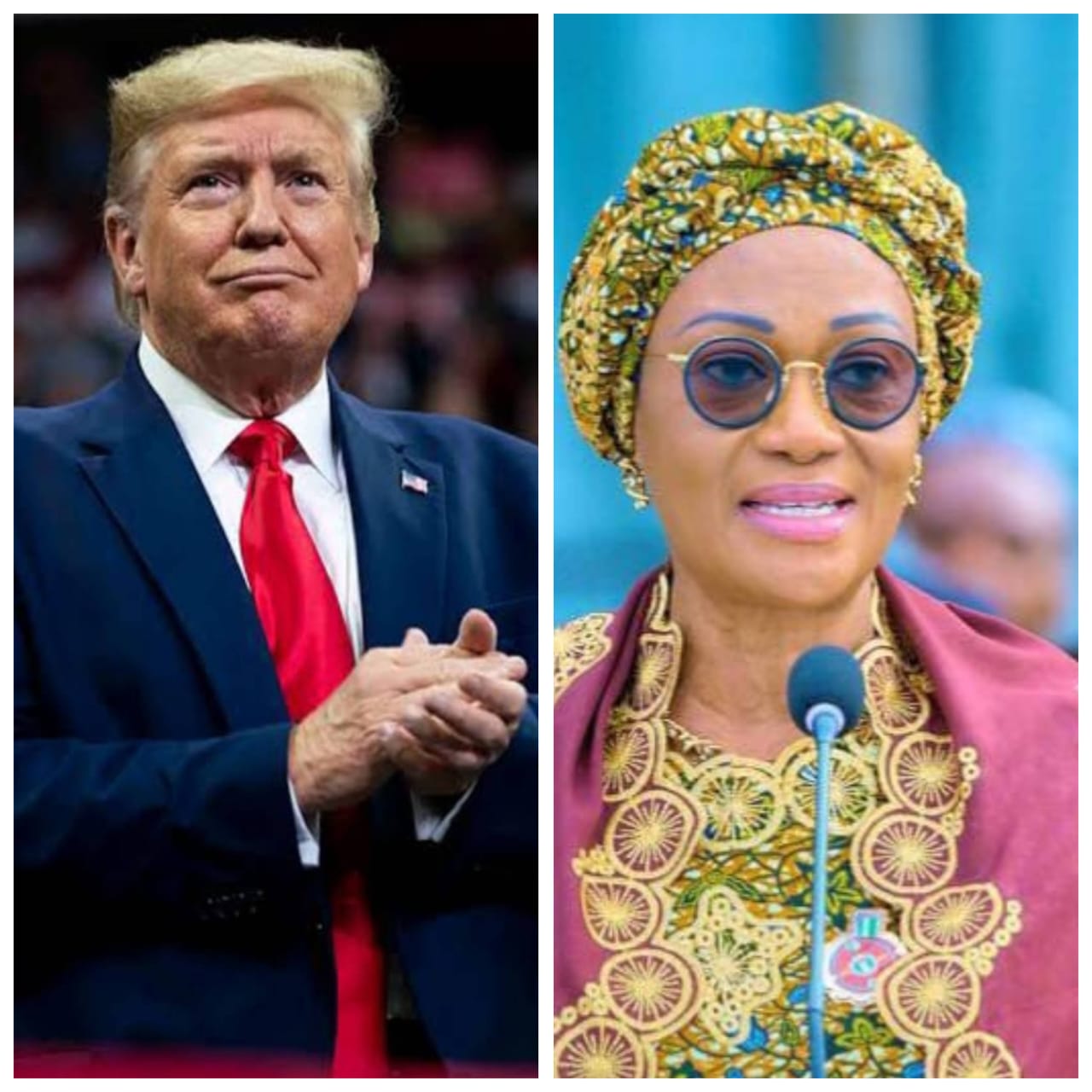
At the 74th Annual National Prayer Breakfast, U.S. President Donald Trump paused in the middle of his address to spotlight Nigeria’s First Lady, Dr. Oluremi Tinubu, OON, CON. “We’re honoured to be joined today by the First Lady of Nigeria, who also happens to serve as a Christian pastor at one of the largest churches in Nigeria—a very respected woman. It’s a great honour. Thank you very much,” he declared, drawing applause from an audience of global leaders, clergy, and influencers.
This was not mere courtesy; it was a diplomatic thunderclap, echoing the potential for deeper ties between two nations bound by shared aspirations and challenges. Senator Tinubu’s attendance at this faith-based gathering, organised under Trump’s auspices, transcended symbolism.
As an ordained pastor of the Redeemed Christian Church of God—one of Africa’s most influential Pentecostal denominations—she embodies the intersection of spirituality and statesmanship.
Her presence, amid discussions on global religious freedom and security, underscores a strategic pivot: leveraging faith as a bridge to fortify Nigeria–US relations.
In a world fractured by geopolitical tensions, this encounter highlights how personal acknowledgements from leaders like Trump can catalyse broader alliances. It is a reminder that diplomacy is not confined to boardrooms; it thrives in spaces where values align, fostering trust that official summits often struggle to build.
Saluting a Pillar of Strength: Commending Senator Oluremi Tinubu
Before delving further into the broader implications, we must pause to salute and commend Senator Oluremi Tinubu for her unwavering supportive role to her husband, President Asiwaju Bola Ahmed Tinubu. As a steadfast partner in his journey—from the turbulence of Lagos politics to the pinnacle of national leadership—she has been a pillar of strength, quiet counsel, and moral grounding.
Her grace under pressure, her commitment to family amid public scrutiny, and her dedication to service exemplify the profound impact a supportive spouse can have on a leader’s success and a nation’s stability.
In her, Nigeria discerns not merely a First Lady, but a quintessential mother of the nation—one who cultivates hope, champions unity, and personifies resilience. Her presence inspires a collective spirit that binds the country together, fostering an atmosphere of optimism and strength as she navigates the complexities of national identity and progress.
This exemplary model calls upon all spouses of leaders—across politics, business, and public life—to emulate her example. True partnership demands sacrifice, loyalty, and mutual upliftment.
When a spouse stands firmly behind their partner, offering wisdom, encouragement, and unwavering support, it multiplies their capacity to lead effectively and serve selflessly. Senator Tinubu’s life reminds us that behind every great leader often stands an equally great supporter, whose contributions may be unseen but are indispensable to enduring success.
Strategic Timing and Global Significance
The significance of her Washington moment lies in its timing and context. With Trump back in the White House, his administration has signalled a renewed focus on protecting Christian communities worldwide—a stance Tinubu herself described as “divine intervention” during her remarks at the concurrent International Religious Summit.
For Nigeria, grappling with insecurity in its northern regions and terrorist threats from groups such as Boko Haram, this alignment opens doors to collaborative action. Trump’s praise was not mere flattery; it was an invitation to partnership, recognising Nigeria’s pivotal role in Africa’s stability.
By attending, Tinubu not only represented her nation but also amplified its voice on the global stage, positioning Nigeria as a key player in faith-driven international discourse.
Tangible Benefits for Nigeria: Social, Cultural, Defence, and Legal Gains
This diplomatic manoeuvre promises tangible dividends for Nigeria across multiple fronts. Socially, it could invigorate exchanges on community development and women’s empowerment—areas in which Tinubu has long been an advocate.
Joint initiatives drawing from U.S. expertise in education and healthcare, tailored to Nigeria’s youthful population, could foster social cohesion and reduce vulnerabilities to extremism.
Culturally, the event paves the way for richer bilateral ties, from gospel music collaborations to literary festivals that celebrate shared Judeo-Christian heritage. Such exchanges would enrich Nigeria’s cultural tapestry, promoting tolerance and unity in a diverse society.
On the defence front, the implications are profound. Trump’s emphasis on countering religious persecution aligns seamlessly with Nigeria’s fight against insurgency. Enhanced U.S.–Nigeria security partnerships could translate into advanced training, intelligence sharing, and improved equipment for Nigeria’s armed forces, building on past collaborations.
This is not about dependency, but mutual strength—ensuring that West Africa’s anchor nation can safeguard its borders and contribute meaningfully to regional peace.
Legally, the partnership holds promise for institutional reform. Nigeria’s ongoing battles with corruption and judicial inefficiencies could benefit from U.S. models of rule of law and human rights enforcement.
Joint workshops on anti-corruption strategies could strengthen the work of the Economic and Financial Crimes Commission. Moreover, with Tinubu’s legal background as a former senator, this engagement could spur dialogue on extradition treaties and cybercrime cooperation, fortifying Nigeria’s legal framework against transnational threats.
Seizing the Momentum: A Call to Action
Critics may dismiss this moment as fleeting optics, but history teaches otherwise. Encounters such as this have often birthed enduring alliances. For Nigeria—emerging from economic headwinds and seeking renewed global relevance—this represents a golden opportunity.
It signals to investors, allies, and adversaries alike that Nigeria is open for business and backed by influential partners.
As we reflect on Senator Oluremi Tinubu’s poised presence among Washington’s elite—and her inspiring example as a supportive wife and mother of the nation—this momentum must be seized. Policymakers in Abuja and Lagos should build on it by proposing concrete initiatives that translate goodwill into measurable outcomes.
Spouses of leaders everywhere should also heed her example of steadfast support. The future of Nigeria–US relations is not written in stone, but in the deliberate steps we take today.
In faith, family, and diplomacy, we discover not only common ground but a pathway to shared prosperity.
Senator Oluremi Tinubu has lit the torch. It is now time for Nigeria to run with it.
Dr. Ajulo, a Senior Advocate of Nigeria, is the Attorney General of Ondo State.
Comments