


Capacity building remains one of our main approaches to tackle climate change- LASG

 Quick Read
Wahab stated that the masterclass is not just about learning, it is about shaping the state's response to climate change and influencing the city's resilience, economy, and future...
The Lagos State Government on Wednesday reiterated that capacity building remains a major tool in its approach to tackle climate change as this creates a platform for climate literacy, partnerships, and knowledge exchange.
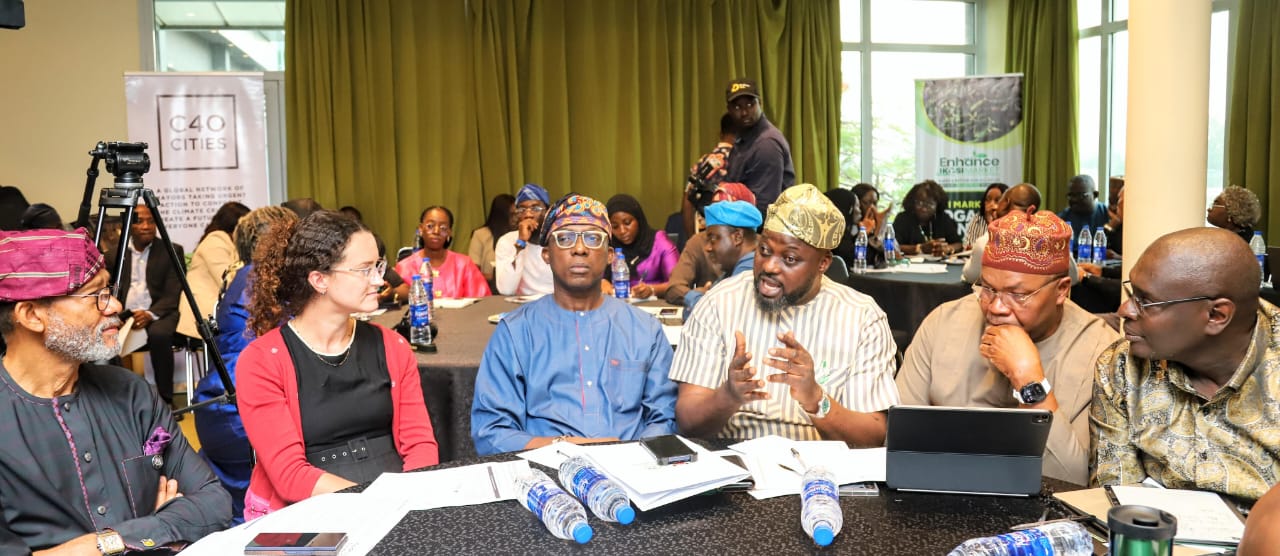
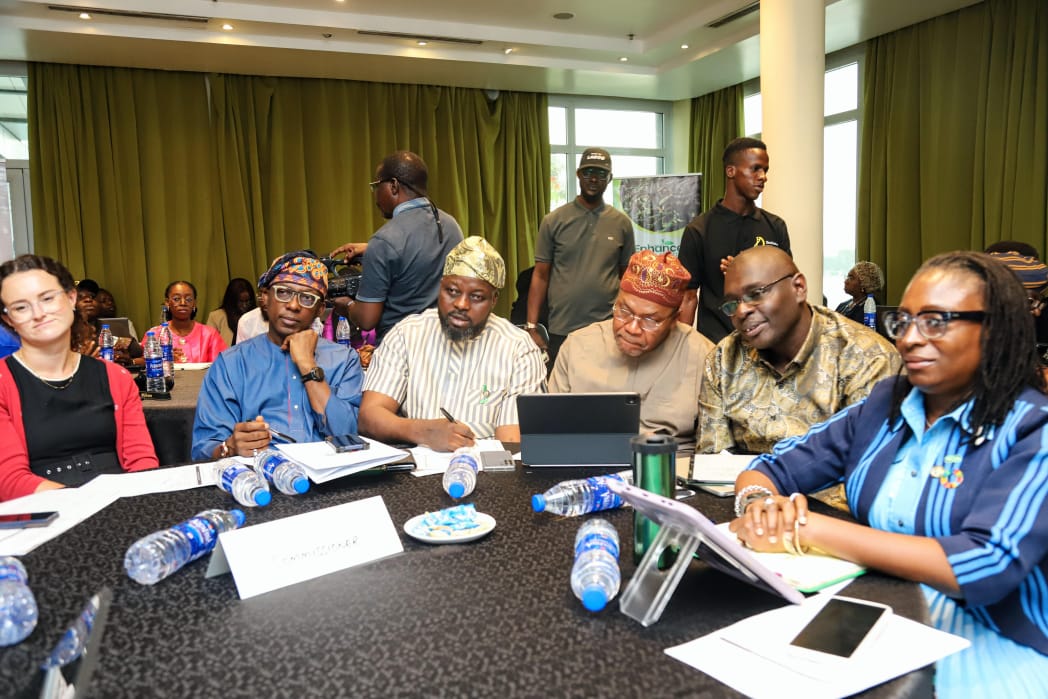
Speaking during a Leadearship MasterClass on Climate Governance held at the Raddisson Blu Anchorage Hotel in Victoria Island the Commissioner for the Environment and Water Resources, Mr. Tokunbo Wahab said Climate governance is central to Lagos’ economic competitiveness, infrastructure resilience, and inclusive growth.
Wahab stated that the masterclass is not just about learning, it is about shaping the state’s response to climate change and influencing the city’s resilience, economy, and future.
He added that climate change has moved from the margins of environmental advocacy into the center of public policy, fiscal planning, resilient infrastructure development, and risk management.
He stressed that participants at the masterclass were not attending only as policymakers or professionals, but as custodians of a future that is already unfolding adding that climate change now shapes how governments plan, spend, and deliver for the people.
“Effective climate governance is ultimately about how we plan, coordinate, finance, and implement development in a risk-informed and future-oriented manner” he said.
Wahab said climate Governance also requires strong institutions, clear decision-making processes, accountability mechanisms, strategic resource allocation, and systems that translate policy commitments into measurable outcomes for the people.
He highlighted that climate governance in Lagos State is not a future-facing agenda, stressing that it is being handled as an immediate and pressing priority.
“As a low-lying coastal megacity with rapid population growth and complex infrastructure demands, Lagos is highly exposed to severe climate-related risks such as flooding, coastal erosion, heat stress, environmental degradation, and growing public health pressures which are realities we confront every year” he said.
The Commissioner explained that in response to the climate change vagaries experienced in the state , the state initiated the Lagos State Climate Action Plan, which provided a long-term framework for mitigation and adaptation across priority sectors such as energy, transport, and waste.
He added that the Plan aligns with Nigeria’s Nationally Determined Contributions and reflects international best practice in subnational climate planning.
On adaptation and resilience, Wahab said Lagos continues to prioritize drainage upgrades, sustainable urban drainage systems, flood control interventions, coastal protection, wetland restoration, and improved stormwater management.
He added that these interventions are increasingly informed by climate risk assessments and hydrological data.
Wahab stated that consecutively for two year, Lagos State had emerged as the top-performing state in Nigeria under the Subnational Climate Governance Performance Rating and Ranking saying that in the 2025 assessment, Lagos scored 315 out of 360 points.
He said this achievement reflects strong institutional coordination, robust policy and legal frameworks, innovative climate finance, stressing that this includes Nigeria’s first subnational green bond, and a commitment to transparency, monitoring, and public engagement.
“Climate governance is a continuous process; It requires integrating climate risk and opportunity into development planning, budgeting, infrastructure delivery, and public service reform; Climate action cannot be confined to one ministry; it is a shared responsibility across government and society” he said.
In his welcome address, the Special Adviser on Environment Engr. Olakunle Rotimi-Akodu said leadership class is a platform for leaders and practitioners to deepen their understanding of climate governance and strengthen institutional capacity.
He said the gathering reflects the Lagos State Government’s ongoing efforts to build stronger institutions, promote climate-responsive policies, and encourage collaboration across government, private sector, civil society, and international partners.
Akodu said Lagos State Government remains committed to climate-responsive governance, strategic environmental planning, and partnerships that advance sustainable development.
Earlier, the British Deputy High Commissioner, Mr. Jonny Baxter expressed appreciation to the State Government and C40 Cities for their leadership in driving transformative climate change adding that the British Commission through the Ocean Risk and Resilience Action Alliance is championing the Lagos State Partnership for Coastal Resilience initiative
Mr. Baxter who was represented by the First Secretary, Deputy High Commission, Ms. Grace Bell said the organization has numerous projects, one of which is the PACE programme, which has developed a climate finance access guide, piloted successfully last year in August.
Also in his remarks, the C40 Cities, Regional Director, Africa, Mr. Anthony Okoth said the organization recognized the importance of addressing the Global Climate Action through the collective action of cities.
He added that the collective action of cities is a network about 100 Cities that represent almost 23% of the global economy and the population of about 920 million.
He emphasized that the Cities are important because in the next 25years, 65% of the global population will be existing in the cities as such C40 is addressing the impact of climate change with five different approaches.
Comments