


Mabel Segun: A daughter’s tribute

 Quick Read
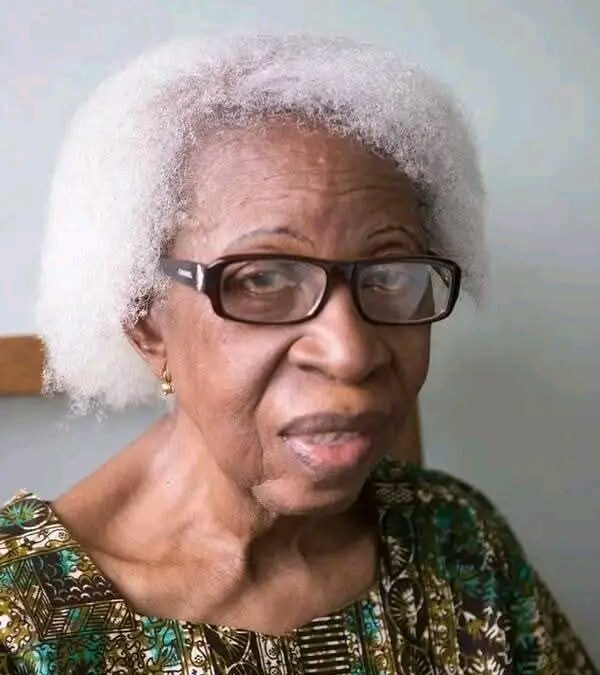
It is impossible – a word my mum banished from my vocabulary as a child, but I think that she would agree with me on this occasion – to write about our life together in a tribute of only a few pages. Only a book can capture all that has been left out such as our travels, stay in France, tough times, and the final years of goodbye. My mum lived two lifetimes in one, but I should also add that she lived well before her time.
By Omowunmi Aramide Segun
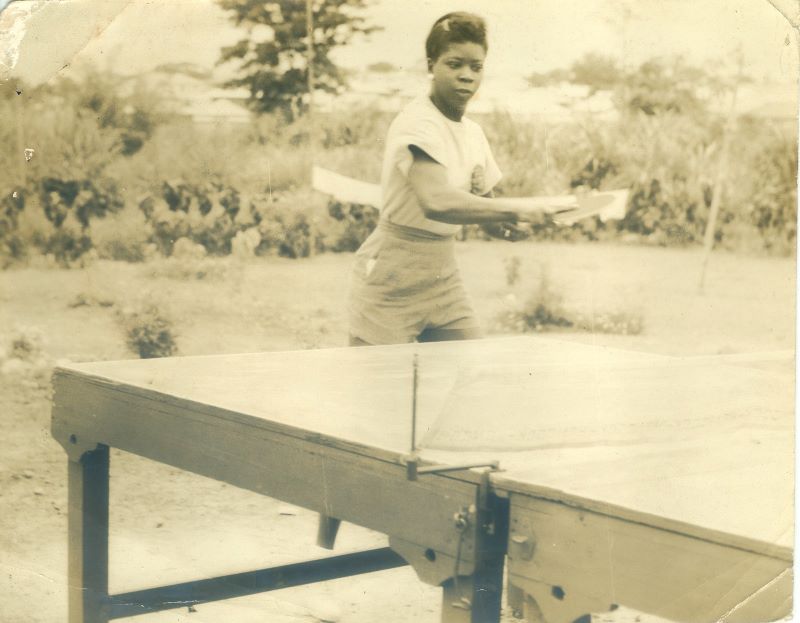
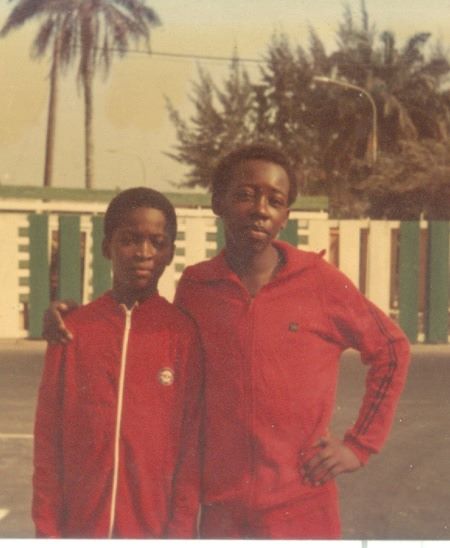
My mum lived two lifetimes in one and that is no exaggeration. She was indefatigable and nothing ever stood in the way of her achievements. Not even the birth of her daughter. I was part of her sporting life from birth. She described how she would put me in a carry cot and take me with her to a table tennis training facility at Alakoro near Isale Eko, Lagos Island. She would place the cot at a safe distance from the table to prevent a stray ball smacking me in the face. Apparently, once I was fed, I was quite content and did not give any trouble. But that was before I learned to stand, walk, run, and then climb. Soon, I joined my older brothers, Gbenga and Femi, going up and down the gym ropes that hung about 10 metres from the ceiling. I gave my mum a few anxious moments and her training sessions did not go as smoothly as before.
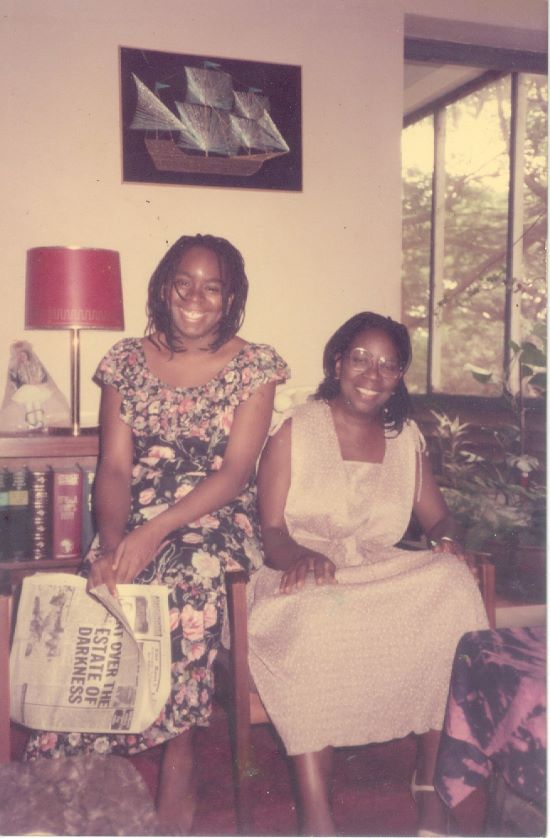
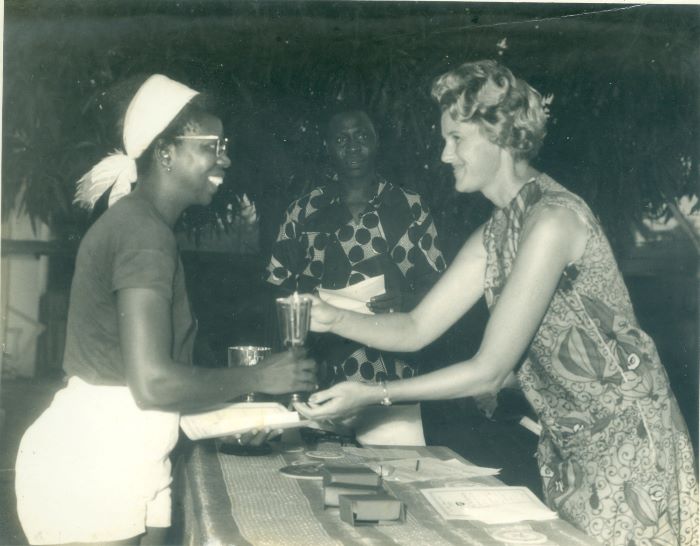
Naturally, I have no recollection of my time in the cot being lulled to sleep by the rhythmical bounce of the ball on the table nor was I aware that my mum went to represent Nigeria at the All Africa Table Tennis Championships in Accra in 1964 when I was barely a year old. Two years later, my mum went to America on a training programme in Editing but as soon as she returned, she started competing in tournaments again. Femi, Gbenga and I travelled with her by road to various tournaments in Cotonou and Accra. I was about four at the time and my memories of these trips are vague. However, the taste of the soft, buttery-sweet bread sold in Cotonou stayed with me. As I grew older, Rowe Park in Yaba became our second home, especially during school vacations. Femi, Gbenga and I were always there to watch my mum compete well past our bedtime. We constituted her three-band “supporters’ club.” Win or lose, we cheered the loudest. Thankfully, she hardly ever lost because my mum was a fierce competitor and usually beat her opponent.
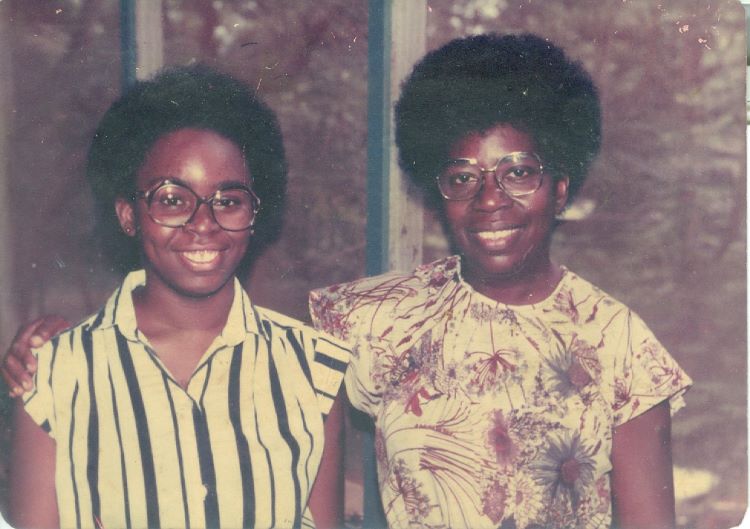
As my mum approached the age of forty, she participated in fewer tournaments and eventually retired from competitive games. She did not stop playing; she became a sports administrator and played in administrative singles – matches organized specifically for retired players. She played against men because there were no retired female players at this point for her to play against and won most of her matches. She also became a member of the National Sports Commission. This was a really exciting time for us children as we got to watch a whole range of games including football at the newly-built national stadium. Watching football matches inside the main bowl of the stadium was particularly thrilling because of the roar of the crowd each time a goal was scored. One evening, my mum took me (Femi and Gbenga were in boarding house) to watch a match that lived up to its billing. The stadium was filled to capacity. The illumination of the floodlights (a novelty to me at the time) made the atmosphere even more electric. When the match was over, we exited the stadium into the dimly lit car park. The excitement of the evening soon turned into a desperate search for my mum’s car among the hundreds that were parked in the different lots. She drove an Opel Record and each time we found one that we thought was hers, it had a different number plate. After searching in vain, my mum decided that the best thing was for us to wait for everyone to leave. After an agonizingly long wait, when most cars had left, we found her car in a spot not even remotely close to where my mum thought that she had parked it! Unfortunately, I inherited this defective gene from my mum because some years back, I tried to get into a car the same colour and make as mine and could not. It was when I checked the number plate that I realised I had completely forgotten where I parked.
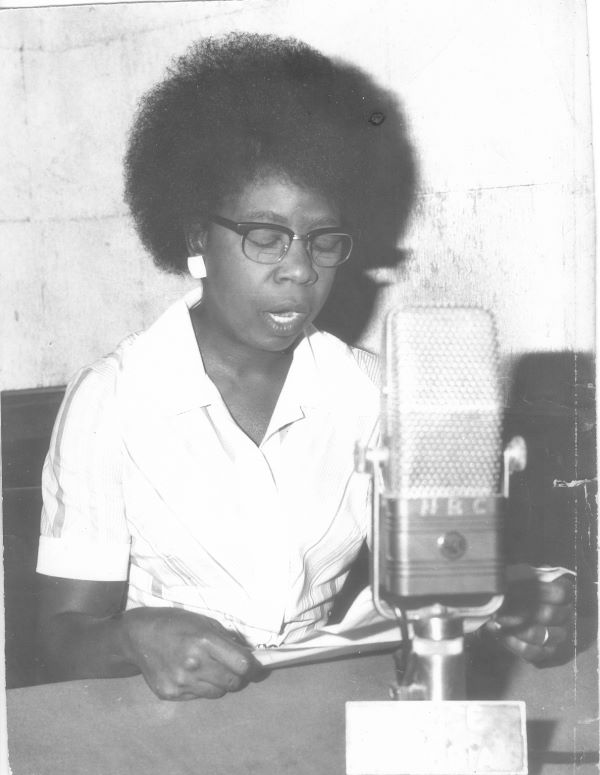
In the seventies, my mum was still full of energy and as busy as ever. She worked at the Ministry of Education, attended French classes after work, did her assignments, attended meetings at the National Sports Commission, formed the Children’s Literature Association of Nigeria (CLAN), played table tennis and badminton, and went swimming among so many other things. Nonetheless, she began to focus more on her writing. I noticed that she spent more time writing in the evenings and early in the morning before going to work. She had a really beautiful study in the apartment where we lived. It was nicely carpeted and furnished with a large writing desk and low level shelves placed against the walls. The shelves contained books mainly for adults. I was about twelve when I started sneaking into her study (a room that I had been forbidden to enter) after I came back from school and she was still at work. One day, while searching for a book to read, I came across a slim book with an interesting title, The Lion and the Jewel by Wole Soyinka. When I picked it up, I actually thought it was a children’s book. I quickly realized my mistake but read the play to the end all the same. When I finished reading it, I was puzzled. I felt something had eluded me. Years later, as a young adult, I re-read the play with full appreciation. From reading age-inappropriate books, I gradually took over my mum’s study. By this time, she had more or less abandoned it and taken to writing in her bedroom, sitting upright in bed with pillows to support her back. There were sheets of paper everywhere I looked. This is how she wrote some of her radio talks which won her an award in broadcasting: “Artiste of the Year 1977.” Later, some of these talks were published in Friends, Nigerians, Countrymen (1977) re-titled, Sorry, No Vacancy (1985). I was fifteen when I attended the award ceremony and was in awe when I saw poster-size photographs of my mum lining the walls to the venue.
My mum had so many hobbies and I still marvel at how she was able to do so much outside work, sports, and a zillion other things. One of her hobbies was gardening and she kept a small garden in the compound where we lived. She grew roses, hydrangea, ferns, rubber plant, and the purple Wandering Jew which she always planted to trail along the garden bed. While my mum was responsible for planting, we, the children, had the unenviable task of weeding the garden every weekend. One Saturday morning, we were joined by our cousins who had come to stay with us. I was diligently weeding my portion when I heard frantic cries from my mum. “Stop! Stop! Stop!” she shouted. I was baffled. Then I turned around and my jaw dropped. Among the weeds were young shoots that my mum had planted a week before. My cousin had uprooted them in his ignorance. My mother did not just keep a garden; she also had a vegetable patch where she grew tomatoes, pepper, okra, ewedu, corn (when in season) and carrots. All the plants flourished except the carrots which were stunted, hard, and tasteless – she never planted them again. Of all her hobbies, the one passion that I did not share with my mum was sewing. Hard as she tried, buying me books on how to sew, I only learned basic stitches so that I could mend my clothes. She, on the other hand, sewed entire outfits with her Singer sewing machine. She would sew all night or all weekend if necessary to get an outfit ready.
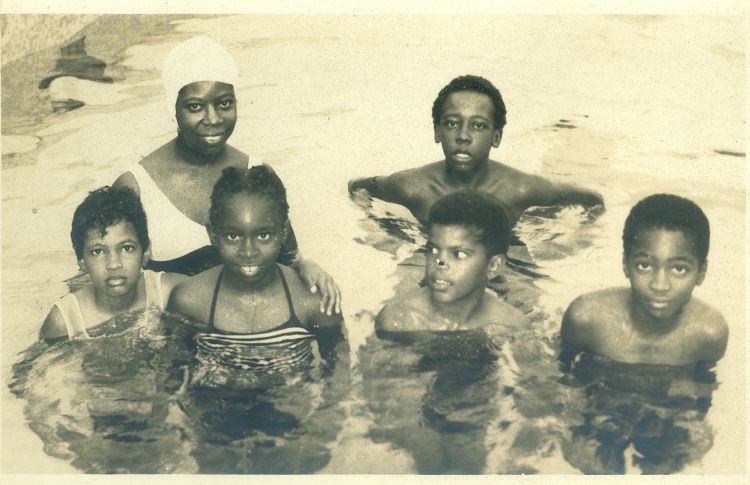
My mum ensured that all three of her children imbibed the reading culture early. She also encouraged us to write and publish a couple of poems Femi and I wrote in Under the Mango Tree: Songs and Poems for Primary Schools Book 2 (1980) edited by Mabel Segun and Neville Grant. When I started writing my debut novel in the 80s, my mum took a keen interest even though I was guided in my writing by Prof. Niyi Osundare. When I finished it, Prof. Osundare gave me the bad news that I had to write one more chapter to end the novel properly. Psychologically, I was done. I made excuses and procrastinated. It was not until my mum gave me marching orders that I finished it. The Third Dimple went on to win the ANA prose prize in 1991 and made the shortlist of the Commonwealth Prize (First Book Prize, Africa Region), 1993.
In later years, my mum and I grew very close. We discussed literature extensively as well as each other’s writings. We were involved in writing projects together, for instance, the Amnesty International Nigeria Human Rights Series for young people (1997 – 1998) which she contributed to and also edited. I was living up to the middle name that she had given me at birth – Aramide – meaning “a part of me is here.” To honour her, I published my second novel, Eniitan: Daughter of Destiny (2016), under that name.
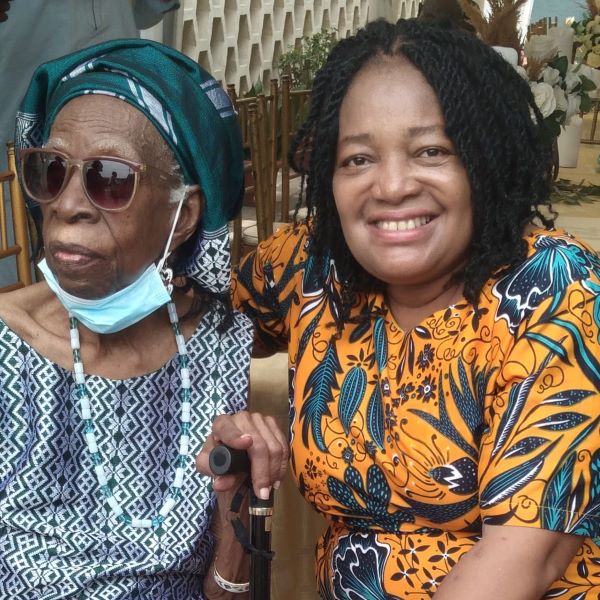
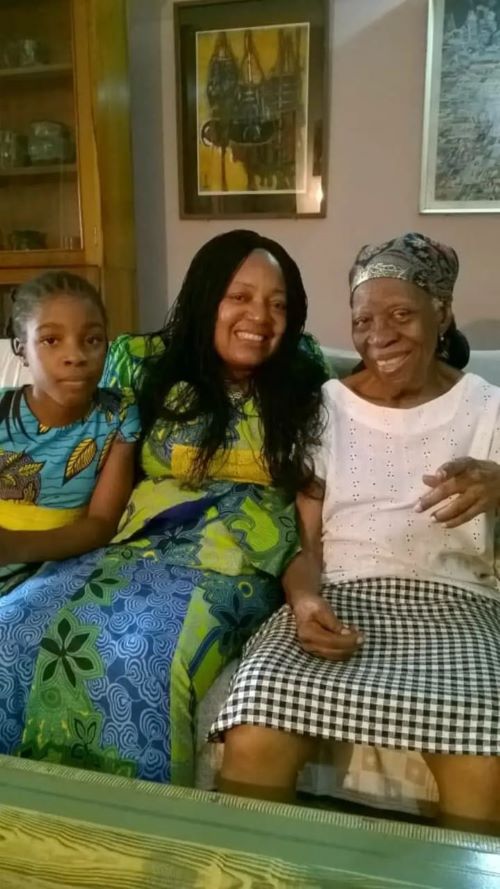
It is impossible – a word my mum banished from my vocabulary as a child, but I think that she would agree with me on this occasion – to write about our life together in a tribute of only a few pages. Only a book can capture all that has been left out such as our travels, stay in France, tough times, and the final years of goodbye. My mum lived two lifetimes in one, but I should also add that she lived well before her time.
*Omowunmi Aramide, an award-winning novelist and only daughter of Mrs Mabel Segun, writes from Lagos.
Comments