


The deception of populism in politics

 Quick Read
Populism is often less about consistent ideology and more about perception. Its primary objective is to be seen as standing with the people against an allegedly oppressive elite.
By Bola Dada
Populism is a political approach that frames society as divided between two opposing camps: “the common people” and a supposedly corrupt or oppressive elite. It thrives on this binary narrative and draws strength from public dissatisfaction.
Populism deceives through several recurring methods:
1. Anti-establishment Sentiment
It is natural for citizens to be critical of the establishment. People often disagree with government policies, especially those that appear to impose hardship or take something away from them. Populists exploit this dissatisfaction. They position themselves as defenders of the people while portraying the establishment as insensitive or corrupt.
2. “The masses vs. the elite” narrative
Ironically, many populist leaders are themselves members of the elite. Yet they adopt a “us versus them” rhetoric, claiming solidarity with the masses simply because they are not currently in power. They attend protests, eat in local spots, use emotionally resonant language, and attribute every societal problem to the ruling class. This strategy builds emotional identification rather than offering substantive policy alternatives.
3. Reactive activism
Populists often move in the direction of prevailing public opinion. Instead of leading with a clear ideological framework, they echo popular sentiment and present themselves as champions of the people’s immediate grievances.
4. Thin or flexible ideology
Populism is often less about consistent ideology and more about perception. Its primary objective is to be seen as standing with the people against an allegedly oppressive elite. Policy positions may shift depending on what is politically advantageous at the time.
In 2012, during a Macroeconomics lecture, I told my students that the removal of fuel subsidy by the Jonathan administration was economically inevitable. I argued that although President Jonathan reversed the policy under pressure, Nigeria’s fiscal trajectory made subsidy removal unavoidable. Regardless of who succeeded him, the economic realities would eventually compel the same decision.
Some of those students may remember that discussion.
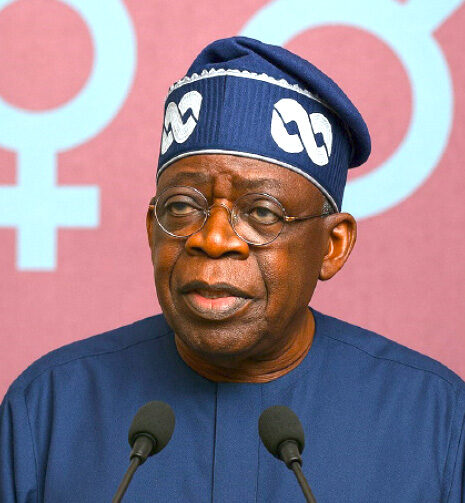
One of the vocal opponents of subsidy removal at the time was President Bola Tinubu, now Nigeria’s President. Former President Muhammadu Buhari, for various reasons, did not fully implement the policy during his tenure. Yet on his first day in office, President Tinubu removed the subsidy.
The economic logic had not changed. The necessity had not changed. What changed was political positioning.
This illustrates how populism operates. A policy can be economically sound yet politically unpopular. Leaders out of power may oppose it, not necessarily because it is wrong, but because opposing it aligns them with public sentiment. Once in power, however, they confront the same economic constraints and often implement the very policies they once criticized.
Now that Tinubu is President, some of his political opponents are adopting similar tactics by framing policies as oppressive, mobilising public emotion, and positioning themselves as defenders of the people. The cycle repeats.
The reality is that governing imposes constraints that opposition politics does not. Fiscal sustainability, exchange rate management, subsidy regimes, infrastructure financing are structural challenges, not slogans.
If major opposition figures were asked directly:
Would you restore fuel subsidies?
Would you revert recent tax reforms?
Would you abandon exchange rate liberalization?
It is unlikely that clear, affirmative reversals would be offered because the economic realities remain.
This is why some of us have moved beyond emotional political engagement. Populism, activism, and “popular opinion” can be persuasive, but they are not substitutes for economic analysis and policy scrutiny. Every issue deserves to be examined on its merits, broken down, studied, and evaluated rationally.
Politics should not be driven solely by sentiment. Sustainable governance requires confronting hard truths, even when they are unpopular.
Comments