



70 Dead, 318 cases reported as Lassa Fever ravages Nigeria

 Quick Read
Idris called on state governments to intensify contact tracing, enforce rigorous infection prevention and control protocols in health facilities, and tackle financial barriers to treatment, which often lead to late presentation of cases and higher mortality.
Nigeria is facing an escalating Lassa fever outbreak in the early months of 2026, with the Nigeria Centre for Disease Control and Prevention (NCDC) confirming 318 cases and 70 deaths as reported on February 20, 2026.
The figures cover the period from late December 2025 through February 15, 2026, yielding a case fatality rate (CFR) of 22%, a stark indicator of the disease’s severity when diagnosis and treatment are delayed.
NCDC’s Director General, Dr. Jide Idris announced the update during a press briefing in Abuja on Friday, noting that 1,469 suspected cases have been recorded overall.
The outbreak remains heavily concentrated in just five states-Bauchi, Ondo, Taraba, Edo, and Plateau, which together account for 91% of confirmed infections.
Within these states, 10 local government areas are driving the majority of cases, pointing to persistent hotspots linked to environmental factors and rodent populations.
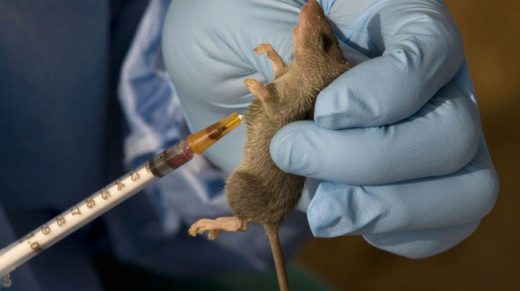
Lassa fever is an acute viral hemorrhagic illness transmitted primarily through contact with food or household items contaminated by the urine or feces of infected multimammate rats, which are widespread in parts of West Africa. Secondary transmission can occur person-to-person, especially in healthcare settings via bodily fluids, contributing to infections among medical personnel.
In response, the NCDC has activated its Incident Management System and deployed Rapid Response Teams to eight states to enhance surveillance, case management, laboratory diagnostics, and community sensitization.
Idris called on state governments to intensify contact tracing, enforce rigorous infection prevention and control protocols in health facilities, and tackle financial barriers to treatment, which often lead to late presentation of cases and higher mortality.
The agency has also distributed critical supplies, including personal protective equipment, the antiviral drug ribavirin, and notably, dialysis machines to five states (Edo, Kaduna, Lagos, Nasarawa, and Plateau) to better manage severe complications such as kidney failure in critically ill patients.
Lassa fever is largely preventable through simple measures: storing grains and other foods in rodent-proof containers, maintaining clean living environments to reduce rat infestations, avoiding contact with rodents, practicing good hand hygiene, and seeking immediate medical attention for symptoms including fever, headache, sore throat, muscle pain, vomiting, facial swelling, or unexplained bleeding.
The NCDC urged the public to remain vigilant during the dry-season peak transmission period and to report any suspected cases promptly via local health facilities or the agency’s toll-free line (6232).
Comments