


Iran Vs US: War fallout hits homes in Nigeria as cooking gas price skyrocket

 Quick Read
The conflict involving the United States, Israel and Iran has affected production and major shipping routes, leading to higher international
The price of cooking gas in Nigeria has begun to rise sharply following fresh tensions in the Middle East that have disrupted global oil and gas supply.
The conflict involving the United States, Israel and Iran has affected production and major shipping routes, leading to higher international energy prices that are now impacting local consumers
The conflict has disrupted energy production and shipping in the Middle East, affecting global supply.
Oil prices increased sharply after Iran attacked ships and energy facilities, leading to the closure of major shipping routes in the Gulf region. Brent crude oil rose by $3.66 (4.7%) to $81.40 per barrel, its highest level since January 2025. European gas prices also jumped by as much as 40%.
Iraq, the second-largest oil producer in OPEC, warned that it may cut production by over three million barrels per day if tankers cannot move freely.
The country has already reduced output at the Rumaila and West Qurna 2 oil fields.
Nigeria, despite having large natural gas reserves, still imports a significant portion of its cooking gas. In recent years, between 20% and 47% of LPG consumed in the country has been imported.
Although local production increased in early 2025, imports are still needed to meet demand.
Because Nigeria depends partly on imports and international pricing, local gas prices are affected by global market changes and foreign exchange rates.
As a result, depot owners have increased prices by about ₦100 per kilogram.
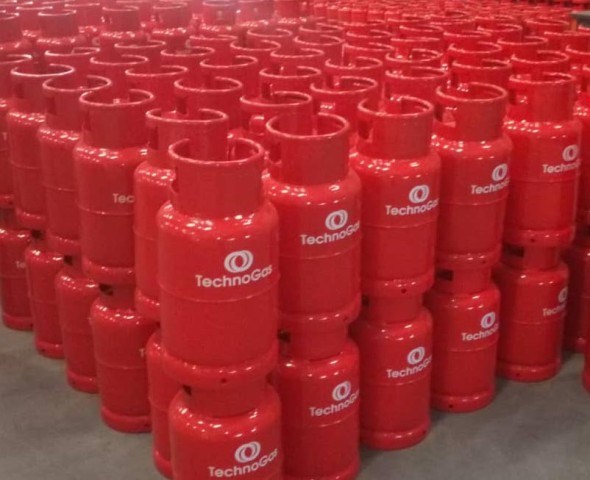
Nipco Plc now sells cooking gas at ₦950 per kilogram, Navgas Limited at ₦900, and Techno Oil Limited at ₦885. This is a sharp rise from the previous average of about ₦800 per kilogram.
Nigeria’s Bonny Light crude also rose to $80 per barrel from $70. Brent crude climbed further to $84 per barrel, while Murban crude reached $81.05. West Texas Intermediate increased to $72.24 per barrel.
The crisis has greatly affected shipping through the Strait of Hormuz, a key route that handles about 20% of the world’s oil and LNG supply.
Tanker traffic through the strait dropped sharply after the attacks. Many oil and gas tankers are now stranded near major ports like Fujairah in the United Arab Emirates.
Qatar has also shut down some of its liquefied natural gas facilities, which supply about 20% of global LNG exports. Shipping costs have reached record highs due to the conflict.
According to data from the Nigerian Midstream and Downstream Petroleum Regulatory Authority (NMDPRA), Nigeria supplied 52,900 metric tonnes of cooking gas to the local market in 2025. About 87% of this came from local sources, while 13% was imported.
Security experts are monitoring the situation closely, as concerns grow over how long the conflict may last and how it will continue to affect global energy supply.
Comments