


HEFAMAA warns herbal practitioners against mixing Orthodox Drugs with Traditional Remedies

 Quick Read
Idowu stressed that the agency’s role is not primarily punitive but focused on education and guidance to help practitioners operate within approved standards.
The Lagos State Health Facilities Monitoring and Accreditation Agency (HEFAMAA) has stepped up regulatory action against traditional herbal practitioners who combine modern medical treatments with unapproved traditional remedies, warning that such practices threaten public safety and violate healthcare regulations.
The agency cautioned that any practitioner or facility found administering orthodox medicines alongside herbal treatments without proper authorisation would face sanctions, including possible closure of their operations.
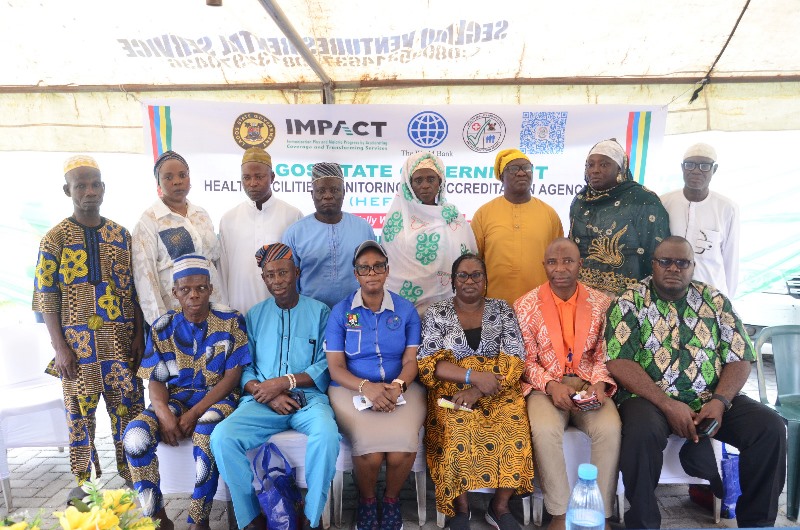
Permanent Secretary of HEFAMAA, Dr. Abiola Idowu, gave the warning during a sensitisation campaign and town hall meeting held at Ibeju-Lekki Local Government Area on Wednesday, to educate stakeholders on the agency’s regulatory responsibilities.
Idowu, who was represented by the Deputy Director of Health Education, Mrs. Oladunni Omonike, explained that traditional herbal practitioners are expected to restrict their activities strictly to recognised traditional practices, whether operating from herbal centres or faith-based establishments, and must not administer conventional medicines unless properly certified.
She stated that combining modern medical treatments with unregulated herbal remedies falls outside established healthcare guidelines and poses serious risks to public health.
According to her, practitioners in the traditional medicine sector are required to operate under the supervision of the Lagos State Traditional Medicine Board, the statutory body responsible for regulating traditional medical practice in the state.
She noted that the Board was established to monitor the activities of traditional practitioners, enforce approved standards, and promote professionalism within the sector.
Idowu added that HEFAMAA works closely with the Lagos State Traditional Medicine Board to strengthen regulatory oversight and enforcement across the state.
“The collaboration enables both agencies to effectively regulate their respective domains, curb illegal practices and ensure residents are protected from unsafe and unapproved healthcare services,” she said.
The Permanent Secretary also disclosed that the sensitisation programme had been conducted across all local government areas in Lagos State as part of efforts to promote awareness and encourage compliance with healthcare regulations.
She explained that beyond the town hall engagements, the agency continues to hold stakeholder meetings involving community representatives, health facility owners and operators across various categories of healthcare establishments.
According to her, the outreach programmes were aimed at deepening awareness, improving compliance and ensuring that practitioners clearly understand regulatory standards guiding healthcare delivery in the state.
Idowu stressed that the agency’s role is not primarily punitive but focused on education and guidance to help practitioners operate within approved standards.
“It is not punitive; we are not the police. We simply want them to do the right thing, and they can only do the right thing when they are properly educated. That is why we will continue with our stakeholder meetings and sustained health education initiatives,” she said.
Also speaking, HEFAMAA’s Chief Nutrition Officer, Richard Olusanya, said the agency had been engaging residents, community leaders, religious leaders and other stakeholders across the state to raise awareness about its mandate.
He explained that the event marked the conclusion of the sensitisation exercise conducted across the state’s 20 local government areas.
Olusanya added that beyond awareness campaigns, HEFAMAA also enforced compliance among both public and private health facilities to ensure they operate according to approved standards and are adequately equipped to provide safe healthcare services.
He urged residents to remain vigilant and verify the registration status of health facilities by checking for HEFAMAA’s official logo, accreditation certificate and QR code displayed at the premises.
Olusanya also encouraged members of the public to report suspicious or unregistered health centres, particularly those operating without qualified personnel or adequate medical equipment, to the agency for prompt regulatory action.
Comments