


Strait of Hormuz closed, 3000 vessels, 20,000 seafarers stranded in Middle East – IMO

 Quick Read
IMO disclosed that the Strait of Hormuz was closed after a tugboat assisting another vessel in the strait on Friday morning was struck killing four seafarers.
By Tiamiyu Prudence Arobani
The International Maritime Organisation (IMO) has said no fewer than 3,000 vessels and 20,000 seafarers are stranded in Middle East over the ongoing war by the U.S. and Israel against Iran.
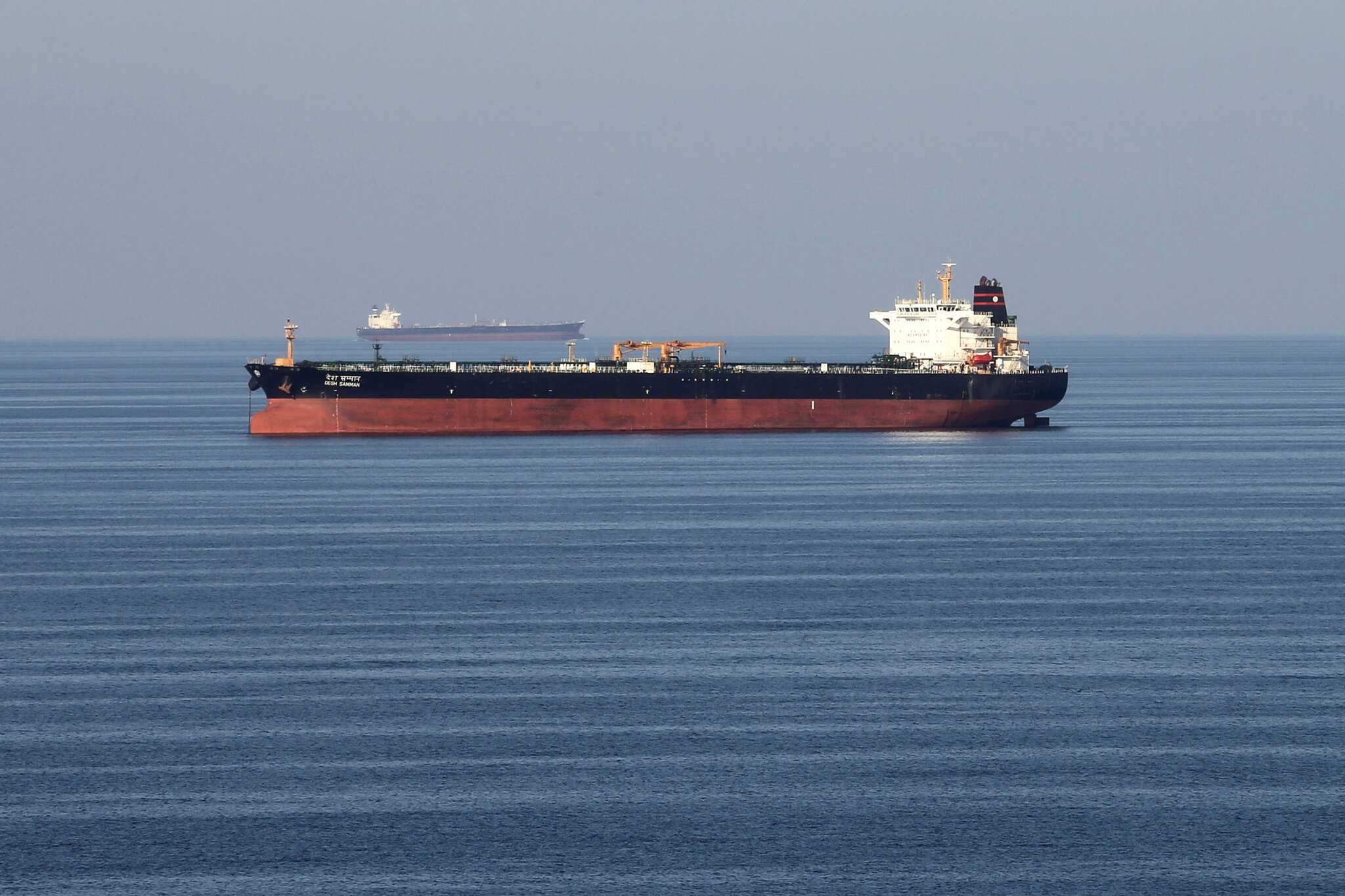
The crucial Strait of Hormuz global shipping corridor marking the entrance to the Persian Gulf, is essentially closed due to the threat of strikes from Iran and elsewhere, IMO declared.
IMO Secretary-General Arsenio Dominguez, warned of the global “knock-on” effect from the closure of the sea lane responsible for 20 per cent of the world’s oil.
Dominguez disclosed that the Strait of Hormuz was closed after a tugboat assisting another vessel in the strait on Friday morning was struck killing four seafarers.
The UN shipping agency chief condemned the attack and that the overall situation was “deteriorating” and urged ships to avoid navigating in the region.
He urged member states to “find solutions through dialogue in order to de-escalate” and restore free and safe movement across the region.
UN Emergency Relief Coordinator Tom Fletcher further warned that the widening conflict in the Middle East could trigger far-reaching humanitarian consequences well beyond the region.
Fletcher said disruptions to key maritime routes such as the Strait of Hormuz could drive up food prices.
The UN relief chief added that the disruption could strain health systems and make humanitarian supplies harder to deliver, hitting the most vulnerable people first. (NAN)(www.nannews.ng)
APT/YEE
Comments