


Trump claims U.S. Forces destroyed 42 Iranian Navy ships in three days

 Quick Read
U.S. and Israeli forces have carried out thousands of strikes on Iranian military installations, including command centres, missile facilities and naval bases, in a coordinated effort to cripple Tehran’s defence capabilities.
By Kazeem Ugbodaga
U.S. President Donald Trump has claimed that American forces have destroyed 42 Iranian naval vessels within three days, declaring that U.S. military operations against Iran are progressing successfully amid the rapidly escalating Middle East conflict.
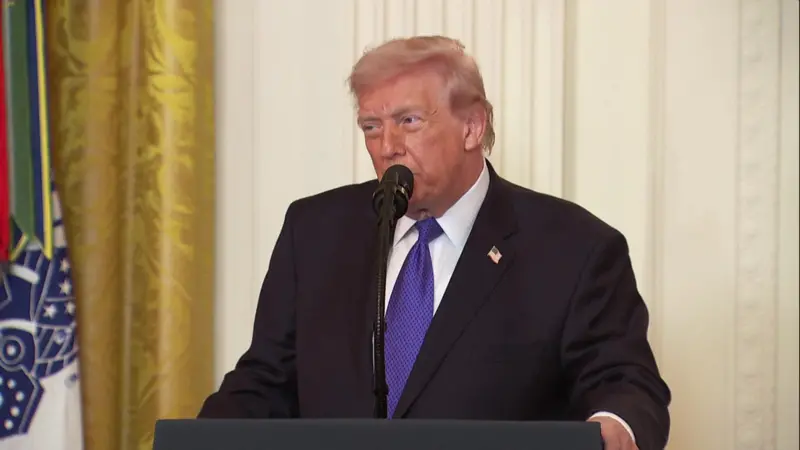
Trump made the assertion during a speech in Miami on Saturday, where he addressed regional leaders and senior officials of his administration.
According to the U.S. leader, the strikes have severely weakened Iran’s military capabilities, including its naval power, air force and telecommunications infrastructure.
“We’re doing very well in Iran. It’s been amazing,” Trump said, insisting that the offensive had significantly degraded Tehran’s military strength.
The U.S. president also disclosed that he would travel immediately after the event to Dover Air Force Base in Delaware to receive the remains of American soldiers killed in the conflict, describing them as “great heroes” who sacrificed their lives in the line of duty.
Trump added that his administration would continue efforts to minimise casualties among U.S. troops while maintaining pressure on Iran.
The latest claim comes as the war between the United States and Iran enters a dangerous phase, with heavy military exchanges reported across the Middle East.
U.S. and Israeli forces have carried out thousands of strikes on Iranian military installations, including command centres, missile facilities and naval bases, in a coordinated effort to cripple Tehran’s defence capabilities.
Iran has responded with missile and drone attacks targeting U.S. positions and allied countries across the region, raising fears that the conflict could widen into a full-scale regional war.
The crisis has also spread beyond Iran’s borders, with strikes and retaliatory attacks reported in several Middle Eastern countries, forcing governments to heighten military readiness and evacuate civilians.
Naval engagements have become one of the most dramatic fronts of the conflict.
In one of the most significant incidents so far, a U.S. submarine torpedoed and sank the Iranian frigate IRIS Dena near Sri Lanka earlier this week, killing dozens of sailors in what analysts describe as one of the rare submarine-led ship sinkings in modern warfare.
U.S. officials say the naval attacks are aimed at dismantling Iran’s maritime capabilities and preventing threats to international shipping lanes, particularly around the strategically vital Strait of Hormuz, through which a large portion of the world’s oil supply passes.
The intensifying conflict has triggered widespread international concern, with global powers warning that further escalation could destabilise the entire Middle East and disrupt global energy markets.
Oil prices have surged as military operations threaten shipping routes, while several countries have begun evacuating their citizens from the region.
Despite growing calls for diplomacy, Trump has maintained that the United States will continue military operations until Iran backs down, insisting that Washington is determined to neutralise Tehran’s military capabilities and prevent it from developing nuclear weapons.
Comments