


Kuwait reels after 234 missiles, 422 Iranian drones rain down

 Quick Read
Officials also confirmed that two separate fires broke out within the past 24 hours following drone strikes, raising fresh concerns about the vulnerability of key infrastructure.
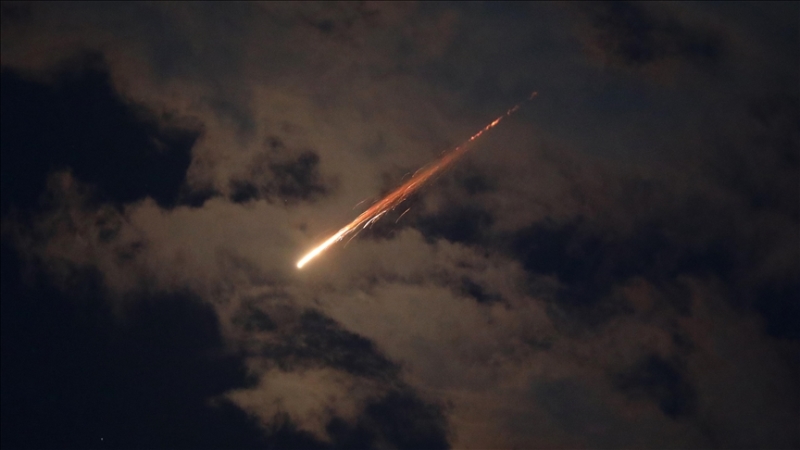
Kuwait has come under heavy aerial assault since the outbreak of the ongoing regional conflict, with authorities reporting that 234 missiles and 422 drones have been detected targeting the country within a week.
The Kuwait Ministry of Foreign Affairs disclosed the figures on Sunday, saying the attacks began shortly after hostilities escalated across the Middle East last Saturday.
In a statement posted on its official X account, the ministry said the barrage of missiles and drones had resulted in casualties among citizens and security personnel.
According to the ministry, a young girl, two members of the Kuwaiti armed forces and two border guards were among those killed during the attacks.
“This aggression has resulted in a number of victims among citizens and residents,” the ministry said, noting that emergency and security services have been placed on high alert across the country.
Officials also confirmed that two separate fires broke out within the past 24 hours following drone strikes, raising fresh concerns about the vulnerability of key infrastructure.
One of the incidents occurred at a government tower, while the second was reported at Kuwait International Airport, one of the Gulf state’s most strategic transport hubs.
Authorities said emergency response teams quickly moved to the affected locations and succeeded in bringing both fires under control, preventing further damage or disruption.
The attacks mark one of the most direct security threats Kuwait has faced in years and come amid the rapidly widening regional conflict that has drawn in several countries across the Middle East.
Kuwait, a small but strategically important Gulf nation and a long-standing security partner of Western powers, hosts military facilities used by international coalition forces and sits close to some of the region’s most volatile flashpoints.
Comments