


Defending the Supremacy of Traditional Institutions in Yorubaland

 Quick Read
Recent developments involving Sulaiman Faruq Onikijipa, the Grand Mufti of Ilorin, and the revered monarch Rashidi Adewolu Ladoja, the Olubadan of Ibadan land, have generated serious discussions among stakeholders who value the preservation of Yoruba tradition and cultural heritage.
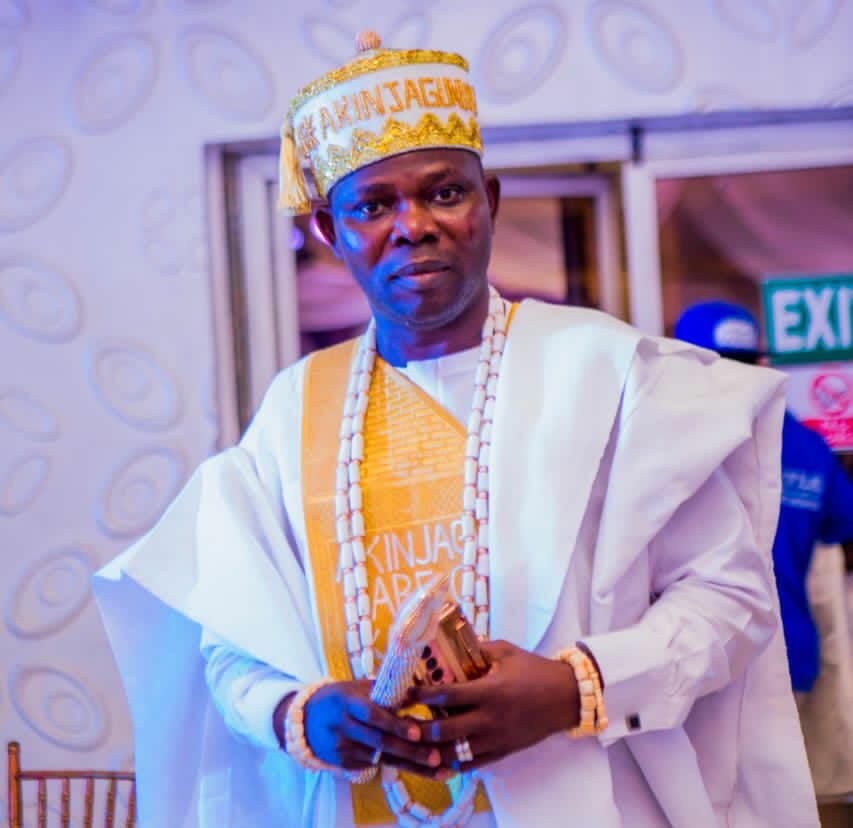
Prince Amb. (Dr.) Adedipe Dauda Ewenla
Recent developments involving Sulaiman Faruq Onikijipa, the Grand Mufti of Ilorin, and the revered monarch Rashidi Adewolu Ladoja, the Olubadan of Ibadan land, have generated serious discussions among stakeholders who value the preservation of Yoruba tradition and cultural heritage.
Let me begin by stating clearly that my position is not necessarily to condemn the respected Sheikh personally. Rather, my concern lies with the actions and reactions of our traditional leadership and those who may not fully understand the depth, dignity, and authority attached to the Yoruba traditional institution.
In the Yoruba cultural system, the throne of an Oba is sacred and represents the collective authority, heritage, and spiritual identity of the people. The traditional ruler is not merely a ceremonial figure but the custodian of culture, customs, and the ancestral values that define the Yoruba civilization.
Therefore, it is deeply concerning when situations arise that appear to diminish the symbolic authority of the throne. Within Yoruba tradition, religious leaders whether Islamic clerics, Christian pastors, or leaders of traditional faith are respected figures within society. However, such respect does not supersede or diminish the institutional authority of the Oba within his domain or anywher.
In the cultural hierarchy of Yorubaland, religious leaders operate within the society under the overarching cultural framework maintained by the traditional institution. For this reason, it is widely understood that the respect accorded to a king within his land must reflect the dignity of the throne he represents.
It is therefore important to emphasise that the Yoruba Oba is not comparable to religious leadership structures. The throne of an Oba stands above religious affiliations because it represents all subjects irrespective of their faith Muslims, Christians, and practitioners of traditional religion alike.
This is why many observers were surprised to see a situation where the Olubadan, a highly respected monarch, appeared to extend gestures that some believe may inadvertently place religious authority above traditional kingship.
In Yoruba culture, respect is reciprocal and deeply structured. Just as Yoruba monarchs extend respect when they visit other traditional authorities such as Emirs in Northern Nigeria, there are also established expectations regarding the level of honour accorded to a Yoruba king within his own domain.
It is important to remember that Yorubaland is distinct in its cultural philosophy. Our traditions recognise the Oba as the apex authority in the traditional structure of society. Religious leaders are influential, but they are not above the throne.
Furthermore, historical and cultural training within the traditional system such as the learning period known as (Ipebi) is designed to prepare monarchs for the responsibilities and protocols associated with royal leadership. These traditions exist precisely to preserve the dignity and continuity of the institution.
This conversation is therefore not about religion. Yorubaland has long been a land of religious tolerance where Islam, Christianity, and traditional beliefs coexist peacefully. However, tolerance must never come at the expense of cultural identity or the dignity of our traditional institutions.
It is also important to emphasise that no Oba in Yorubaland is considered inferior within his domain. Every king represents the authority and heritage of his people. In the same way, Yoruba chiefs cannot be equated with religious leaders, let alone the sacred throne of an Oba.
For this reason, religious leaders who operate within Yorubaland must understand and respect the cultural framework of the land in which they live and serve. The Yoruba institution of kingship predates modern religious structures and remains central to the identity and governance of the people.
Anyone who prioritises religious authority in a way that disregards Yoruba tradition should recognise that cultural respect is a fundamental expectation within the land. Respect for the Oba and traditional institutions is not optional; it is a defining element of Yoruba civilisation.
Let us therefore protect and uphold our traditions while continuing to promote peace, mutual respect, and coexistence among all religious communities.
Yoruba culture teaches dignity, balance, and order. The Oba remains the custodian of that order.
Anyone who is not ready to respect our kings and traditional institutions in Yorubaland should return to where they come from. Sheikh farug Onikijipa is from KANO. Our culture and our monarchs deserve honour and respect.
Prince Amb. (Dr.) Adedipe Dauda Ewenla is the Akinjagunla Aare Ona Kakanfo of Yorubaland


Comments