


War: Naira falls to ₦1,425/$ as Middle East crisis triggers Investor exit

 Quick Read
Analysts from Financial Derivatives Company and Cowry Asset Management also noted that the weakening of the naira across both the official and informal markets shows that
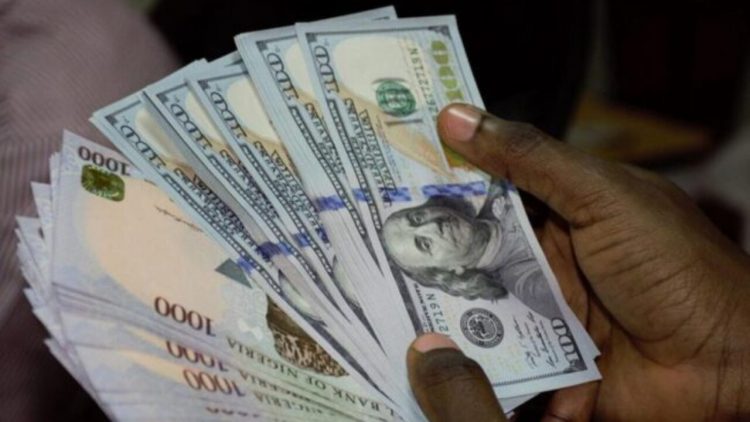
Nigeria’s currency, the naira, has weakened again in the foreign exchange market, falling to ₦1,425 per dollar in the official market.
This represents the lowest level recorded in about two months and reflects increasing pressure on the country’s currency. Data released by the Central Bank of Nigeria (CBN) shows that the official exchange rate moved from ₦1,398 per dollar last weekend to ₦1,425 per dollar, meaning the naira lost ₦27 in value within a short period.
Before this recent decline, the naira had been improving slightly in the official market.
The currency had been gaining strength since February 17 and even reached about ₦1,337 per dollar early last week. However, the positive trend did not last long as the currency began to weaken again toward the end of the week. By last weekend the exchange rate had already dropped to around ₦1,395 per dollar.
When compared with its position three weeks ago, the naira has now lost a total of about ₦88 in value against the United States dollar.
The situation is similar in the parallel market, often referred to as the black market, where the naira also recorded a small decline.
In that market, the currency traded at about ₦1,410 per dollar compared to ₦1,405 per dollar last Friday. As a result of these movements, the difference between the official market rate and the parallel market rate widened to ₦15 per dollar, whereas the margin was around ₦7 last weekend.
Financial analysts say the latest depreciation is largely connected to rising global tensions in the Middle East and the reaction of international investors.
Many Foreign Portfolio Investors are reportedly withdrawing their funds from Nigeria because they perceive higher risks in global markets following the ongoing conflict involving the United States, Israel and Iran.
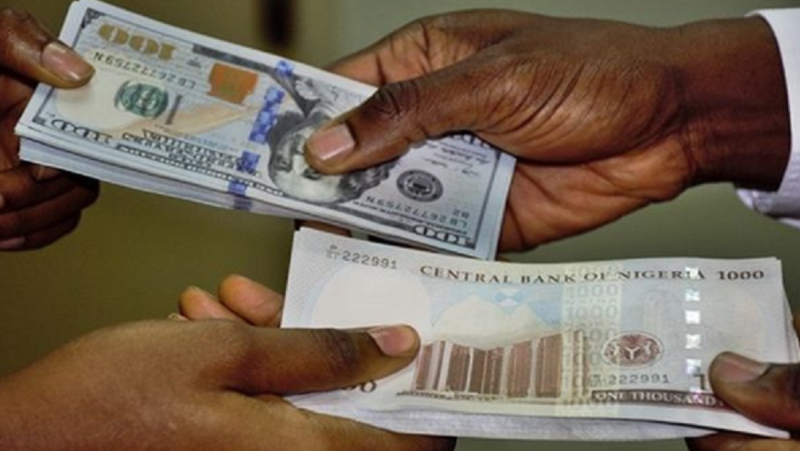
As investors move their funds out of the country, the demand for U.S. dollars increases significantly, putting additional pressure on the naira.
To help stabilize the situation and reduce the impact of heavy dollar demand, the Central Bank of Nigeria reportedly injected about $500 million into the foreign exchange market last week.
Analysts from Financial Derivatives Company and Cowry Asset Management also noted that the weakening of the naira across both the official and informal markets shows that the
Comments