


British troops will not die for Trump’s Iran war, warns Starmer

 Quick Read
Starmer confirmed that discussions are ongoing with allies about a "viable plan" to reopen the Strait of Hormuz, which has become a flashpoint in the widening conflict with Iran.
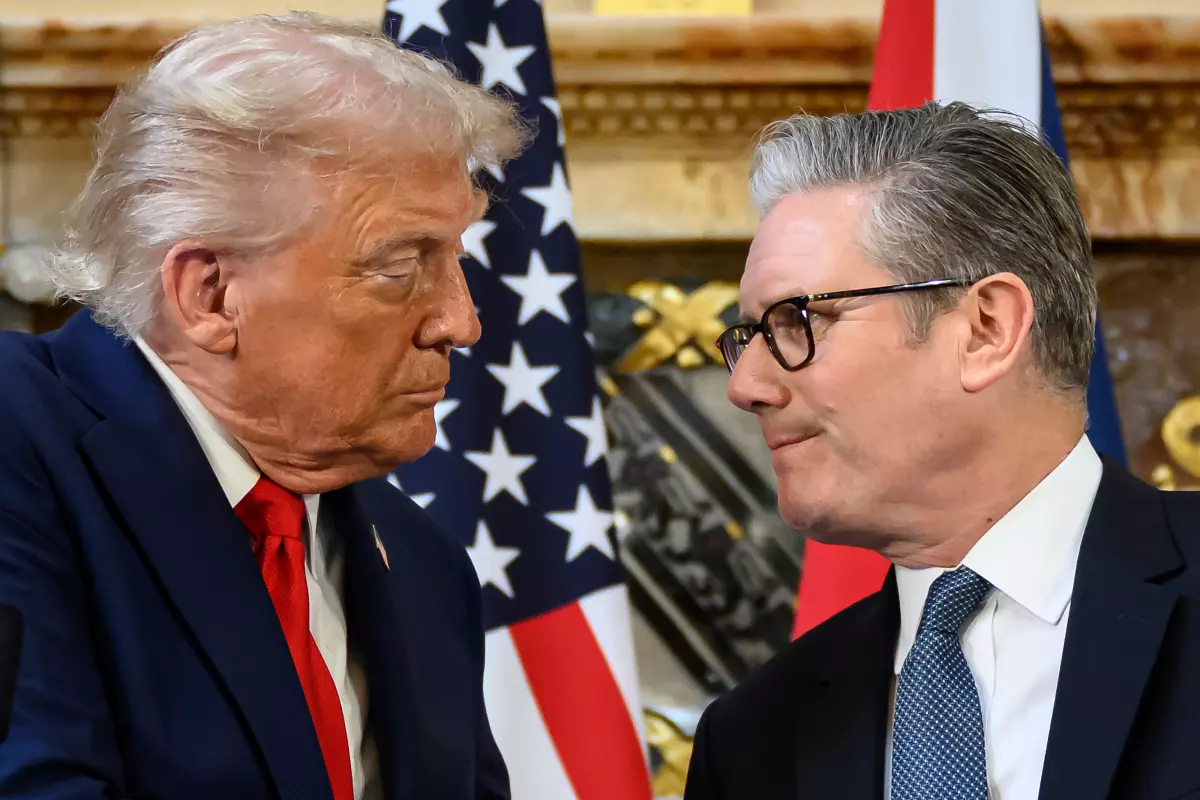
U.K. Prime Minister, Sir Keir Starmer has described his relationship with Donald Trump as “a good one” while carefully sidestepping questions about the strength of their alliance as the UK navigates the escalating crisis with Iran.
Speaking at a Downing Street press conference, the Prime Minister revealed he had spoken with President Trump by telephone yesterday as the two leaders coordinate their response to the conflict.
The call comes amid reports that Washington has been seeking allied support to secure the Strait of Hormuz, the vital shipping lane through which much of the world’s oil passes.
When asked by a reporter to rank his relationship with the US president on a scale of zero to ten, Starmer opted for diplomacy over drama.
“It’s a good relationship,” he said, adding that they had enjoyed “a good discussion yesterday about the Straits. We are strong allies; have been for decades.”
But the Prime Minister was quick to add a crucial caveat: “It is for me to act in what I consider to be the best interest of Britain.”
The comments represent the delicate balancing act facing Starmer as he seeks to maintain the so-called “special relationship” with a mercurial American president while keeping open lines of communication with European allies who regard Trump with deep suspicion.
Starmer confirmed that discussions are ongoing with allies about a “viable plan” to reopen the Strait of Hormuz, which has become a flashpoint in the widening conflict with Iran.
US military operations have, in the Prime Minister’s words, “massively weakened” the Iranian regime’s military capability.
But he acknowledged that securing the shipping route was “not easy or straightforward” and stressed that any resolution would require a negotiated agreement limiting Tehran’s ability to rebuild its nuclear programme.
“After the conflict, there is going to need to be some sort of negotiated agreement,” Starmer said, adding that the UK is working with allies to restore freedom of navigation and “ensure stability in the markets.”
The Prime Minister was explicit about Britain’s red lines, declaring that the UK “will not be drawn into the wider war” even as it continues to support US operations.
Some 92,000 British nationals have already been evacuated from the region, with thousands of UK service personnel stationed in Cyprus and three squadrons of fighter jets deployed to help intercept Iranian attacks.
The crisis presents Starmer with a familiar political dilemma: how to project strength on the world stage while voters at home struggle with living costs that could spiral further if Gulf tensions disrupt energy supplies.
The BBC’s political editor, Chris Mason, pressed the Prime Minister on whether constrained public finances would limit the UK’s ability to support allies if the conflict drags on.
Starmer’s response was to frame de-escalation as the most effective economic policy.
“The best approach is to de-escalate the conflict, as this will be the most simple and effective way to combat the cost of living,” he said.
He announced a £53 million support package for vulnerable households reliant on heating oil, part of what he described as five steps to tackle living costs.
Energy bills will remain capped until the end of June, saving the average household £170, while the fuel duty cap has been extended until September.
“Ending war is the quickest way to reduce the cost of living,” Starmer said, attempting to connect foreign policy realism with domestic concerns.
The Prime Minister was careful to ensure the Iranian crisis did not overshadow another strategic priority: support for Ukraine.
“It’s vital that we continue to focus on supporting Ukraine,” Starmer said, warning that the war in the Middle East could not be allowed to become “a windfall for Putin.”
Throughout the press conference, Starmer returned repeatedly to the gravity of prime ministerial responsibility, particularly when it comes to committing British forces.
“Deciding whether to deploy UK troops is the toughest question for any prime minister,” he said, adding “If you’re prime minister, you don’t get to come back a week later and say – oops I made a mistake about that war, can I back out of it now?”
Starmer described his leadership approach as “standing firm for the British interest, no matter the pressure,” adding: “I believe time will show that we have the right approach.”
Comments