


Naira appreciates to N1,392/$ in parallel market amid rising Inflation

 Quick Read
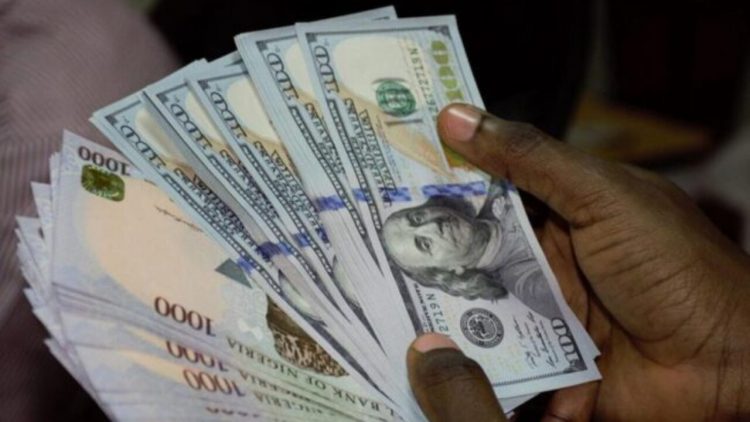
In the parallel market, the local currency rose to N1,392 per dollar, up from N1,396 per dollar recorded on Tuesday.
The Naira yesterday showed signs of strengthening in both the parallel and official foreign exchange markets, giving some relief to businesses and Nigerians who depend on dollars for transactions.
In the parallel market, the local currency rose to N1,392 per dollar, up from N1,396 per dollar recorded on Tuesday.
This appreciation reflects a modest improvement in the Naira’s value in unofficial trading channels.
Similarly, in the Nigerian Foreign Exchange Market (NFEM), the Naira also gained ground, trading at N1,369 per dollar, compared to N1,389 per dollar the previous day. Data from the Central Bank of Nigeria (CBN) confirmed the official market’s appreciation, showing a N20 gain for the currency.
The official rate increase is an encouraging sign, especially for businesses and importers who rely on dollars for trade and operations.
Despite the positive movement in the Naira, inflation remains a key concern. Prices of goods and services continue to rise, which could affect the purchasing power of ordinary Nigerians.
Economists warn that while currency appreciation may provide short-term relief, persistent inflation could offset these gains if not carefully managed.
The difference between the parallel and official exchange rates, known as the exchange margin, widened significantly to N23 per dollar, up from just N5 per dollar on Tuesday.
This indicates that while the Naira is gaining value, there is still a notable gap between rates in unofficial and official markets.
Experts say this gap reflects ongoing supply and demand imbalances and highlights the challenges of achieving full stability in the foreign exchange system.
Market analysts also noted that the slight strengthening of the Naira could be linked to increased inflows of foreign currency and cautious trading ahead of upcoming economic reports.
Investors and traders are closely monitoring developments in both markets to assess future trends.
While the Naira’s appreciation is a positive signal for the economy, policymakers and financial institutions are being urged to implement measures that will sustain stability.
Addressing inflation, ensuring sufficient dollar liquidity, and reducing dependence on parallel markets are seen as essential steps to maintain confidence in the local currency.
In conclusion, the Naira’s recent gains offer a small but important relief for businesses and consumers alike, but sustained improvements will require careful management of economic and monetary policies, particularly in the face of rising inflationary pressures.
Comments