


South Africa: Why I apologised over ‘fake Kingship’ – Solomon Ezekiel

 Quick Read
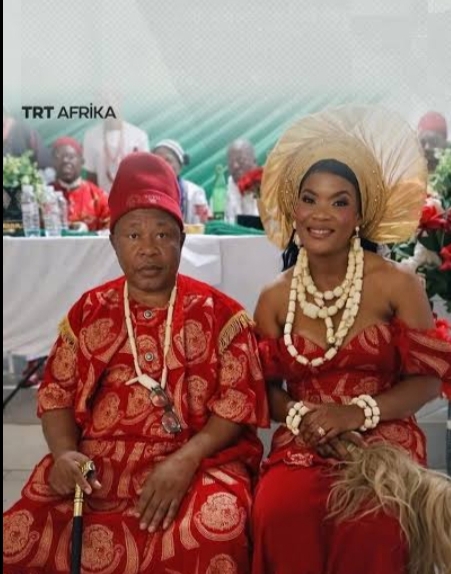
An Igbo community leader in South Africa, Solomon Ezekiel, has apologised after controversy over an event where he was wrongly believed to have been made a king. He said the whole situation was a misunderstanding and that he does not see himself as a traditional ruler.
Solomon Ezekiel, an Igbo community leader in South Africa, has apologised after a misunderstanding over a ceremony led many to believe he had been installed as a king.
He said the situation was wrongly interpreted, stressing that he was only recognised as a senior elder and not a traditional ruler. The controversy sparked tension and violence in parts of the Eastern Cape, prompting him to publicly clarify his role and ask for forgiveness from those affected.
He explained that he was only recognised as a senior elder in the Igbo community in Eastern Cape, not crowned or installed as any kind of king or monarch.
In his apology posted on X, Ezekiel said he was sorry for the confusion and the tension the incident caused. He also expressed regret that the misunderstanding contributed to violence and destruction of property in South Africa.
He addressed South Africans, traditional leaders, and the affected communities, asking for forgiveness and stressing that he respects the authority of local traditional rulers.
Ezekiel said: “I was not crowned as a King. I do not claim to be a king. What happened was only my appointment as a senior elder in the Igbo community.”
He added that he respects South African traditional leadership and never intended to cause disrespect or conflict. He said he fully accepts responsibility for the confusion.
He also called for peace and unity and asked all those affected to forgive him.
The controversy began after a ceremony in East London on March 14, 2026, where he was reportedly presented as “Eze Ndigbo na East London,” which sparked anger among locals and traditional leaders.
The situation later led to protests, violence, vehicle destruction, and a stabbing incident, forcing police to intervene.
South African traditional authorities and government bodies condemned the event, calling it improper and against custom.
Nigeria’s diplomatic missions also distanced themselves from the incident and urged calm, saying it was misunderstood.
Following the backlash, leaders of Ohanaeze Ndigbo Worldwide announced that the practice of installing “Eze Ndigbo” outside Igboland has been stopped.
They said anyone accepting such a title abroad is doing so on their own and warned of consequences at community level.
The Ministry of Foreign Affairs said it is working with diplomatic channels to prevent further tensions involving Nigerians abroad.
Comments