


Edun takes Nigeria’s case to IMF over inflation pressures

 Quick Read
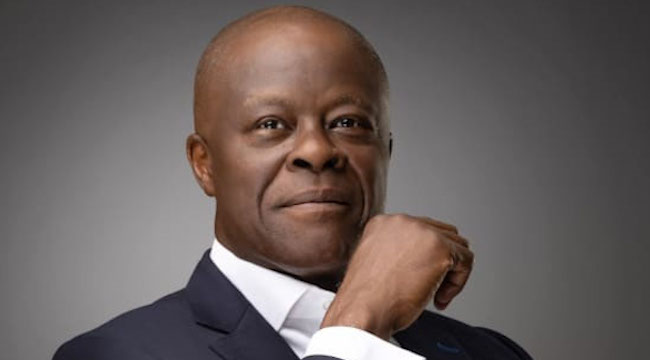
Nigeria’s Minister of Finance, Wale Edun, is calling for international support as the country deals with rising inflation and economic pressure linked to the ongoing Middle East conflict.
Nigeria’s Minister of Finance, Wale Edun, is calling for international support as the country deals with rising inflation and economic pressure linked to the ongoing Middle East conflict.
Ahead of the 2026 IMF and World Bank Spring Meetings in Washington, the Ministry of Finance shared Nigeria’s key plans and concerns. The government is trying to balance economic stability, growth, and support for citizens.
Edun explained that although higher oil prices could increase Nigeria’s earnings and government revenue, they are also causing problems. Rising fuel costs are making life more expensive for both households and businesses.
Nigeria’s Key Requests
Nigeria is asking for:
Lower borrowing costs
Fairer global financial conditions
More support for developing countries
The government believes these will help reduce financial pressure, attract investment, and improve living conditions for Nigerians.
Edun stressed that inflation remains a major issue, especially as it reduces people’s purchasing power and makes it harder to reduce poverty.
Rising Costs and Economic Impact
Fuel prices in Nigeria have increased sharply:
Petrol has risen from about ₦890–₦900 per litre to ₦1,260–₦1,330
Diesel has climbed to around ₦1,550
The global crisis is also:
Reducing foreign investment as investors move to safer markets
Increasing shipping and logistics costs
Raising the prices of imported goods
All these factors are adding to inflation in Nigeria.
Government Response and Reforms
The government says Nigeria is better prepared than before due to reforms introduced since 2023. These include:
Removing fuel subsidies
Allowing exchange rates to reflect the market
Diversifying how the country raises funds
Strengthening economic institutions
According to Edun, these steps have made Nigeria more resilient to global shocks.
Next Steps for Growth
The government now plans to move from stabilising the economy to promoting growth. Key focus areas include:
Encouraging private sector investment
Developing local capital markets
Creating jobs across different sectors
Nigeria also plans to take advantage of the African Continental Free Trade Area to boost trade and investment.
Global Outlook
The International Monetary Fund has warned that global economic growth may slow down due to ongoing tensions, especially between the United States and Iran.
IMF Managing Director Kristalina Georgieva said the global economy is under pressure
Comments