



U.S., Iran Signal Return to Talks Despite Blockade of Ports

 Quick Read
In a swift and unexpected pivot for global markets, the United States and Iran are reportedly preparing to resume negotiations in Pakistan later this week.
In a swift and unexpected pivot for global markets, the United States and Iran are reportedly preparing to resume negotiations in Pakistan later this week.
This potential de-escalation comes less than 24 hours after Washington initiated a high-stakes naval blockade of Iranian ports, a move that many analysts feared would ignite a full-scale regional conflagration.
The news of renewed engagement acted as an immediate pressure-release valve for the global economy, sending benchmark oil prices tumbling back below the $100-per-barrel mark on Tuesday morning.
The fragile opening in Islamabad follows the collapse of high-level talks over the weekend, yet sources told Reuters that both delegations have been presented with a formal proposal to reconvene as early as Friday.
The previous round of discussions represented the highest-level diplomatic contact between the two adversaries since the 1979 Islamic Revolution, featuring Vice President JD Vance and Iranian Parliament Speaker Mohammad Baqer Qalibaf.
While that session ended without a breakthrough, Vance noted that significant progress had been made regarding where Washington could offer accommodations, though he emphasized that Tehran had not yet moved far enough on key nuclear demands.
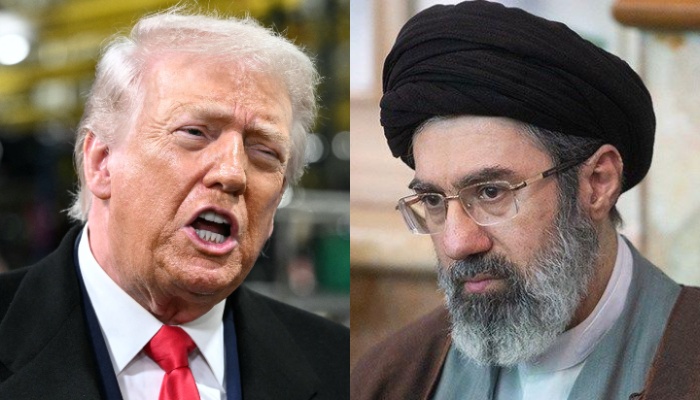
President Donald Trump confirmed the shift in tone on Monday, stating that Iran had been in touch and expressed a desire to reach a deal.
However, the President maintained a hard line on denuclearization, insisting he would not sanction any agreement that allows Tehran to possess a nuclear weapon.
As diplomats prepare to return to the table, the U.S. Navy continues to enforce the maritime restrictions that began on Monday.
The Pentagon is currently walking a fine legal line to avoid alienating European allies by strictly targeting vessels entering or exiting Iranian ports while allowing neutral ships to transit the Strait of Hormuz to non-Iranian destinations like Kuwait or the UAE.
Crucially, the broader two-week ceasefire remains largely intact despite the naval friction and the sharp rhetoric emanating from both capitals.
Tehran has denounced the blockade as piracy and warned that if its own ports are strangled, no port in the Gulf will be secure.
Yet the fact that three Iran-linked tankers were permitted to transit the Strait on Tuesday suggests a disciplined adherence to the current rules of engagement.
This restraint is vital as the International Energy Agency issued a grim forecast on Tuesday, warning that the ongoing conflict is weighing heavily on the global economy and cutting supply projections for the coming year.
The success of the upcoming talks in Pakistan hinges on a singular, immovable demand from the White House regarding the total removal of enriched nuclear material from Iranian soil.
Comments