



A Coup Trial Without Precedent

 Quick Read
I came of age in Nigeria under absolutist, totalitarian military regimes and was shaped by the anti-military rhetoric and activism of that era.
By Farooq A. Kperogi
I came of age in Nigeria under absolutist, totalitarian military regimes and was shaped by the anti-military rhetoric and activism of that era.
Although democracy has not lived up to its promises, fuelling what I consider misguided and amnesiac nostalgia for military rule, I would rather we fix our badly deformed civilian system through elections, civic action and protest than return to the dark days of brutal military monocracy.
That is why reports of an alleged abortive coup plot last year unsettled me, especially because many of those implicated are northern Muslims. In a country riven by deep primordial fissures, I doubt Nigeria could easily recover from a northern-led overthrow of a civilian government headed by a southerner.
The Defence Headquarters initially denied the reports, describing them as “false and misleading,” “entirely false,” “malicious,” and deliberately fabricated to “cause unnecessary tension and distrust among the populace.”
The Director of Defence Information, Brigadier General Tukur Gusau, said what Sahara Reporters described as a coup plot was merely “indiscipline and breach of service regulations” by 16 officers who felt stymied by “perceived career stagnation caused by repeated failure in promotion examinations, among other issues.”
But news platforms such as Sahara Reporters, Premium Times and Daily Trust quoted unnamed sources in the upper echelons of the military and the Tinubu administration who insisted that the Defence Headquarters was being economical with the truth and that there had indeed been a real attempt to overthrow the government.
The confidence with which these reports were presented, despite the anonymity of the sources, led me to write my November 1, 2025, column titled, “The Coup That Dare Not Speak Its Name,” in which I argued that the government owed the public transparency over what had happened.
I wrote: “Secrecy accelerates suspicion. Nigeria’s citizens have matured politically; they can process national challenges without descending into chaos. Shielding the public from reality infantilizes the electorate and breeds cynicism.”
On January 26 this year, the Defence Headquarters, which had earlier dismissed the reports as “false and misleading,” made a dramatic reversal and acknowledged that there had indeed been a plan to violently overturn the Tinubu government. It also said the implicated officers would face military tribunals.
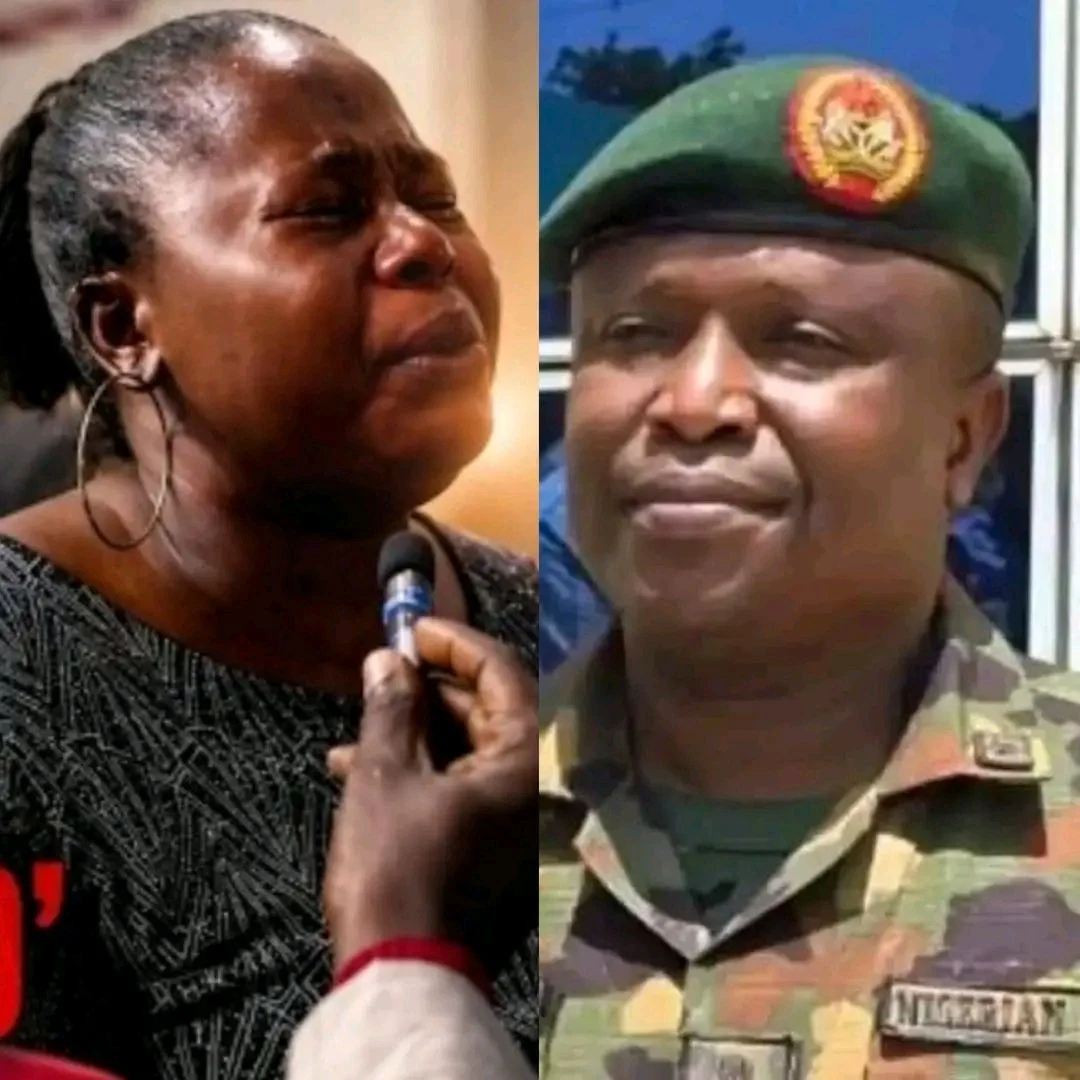
After several peaceful protests by the wives and relatives of the accused, formal charges were eventually filed. Six suspects, including a retired major general and a serving police inspector, were charged with terrorism and treason. In a 13-count charge sheet, the Federal Government alleged that they “conspired with one another to levy war against the state to overawe the President of the Federal Republic.”
Although respected analysts such as Chidi Odinkalu have questioned the plausibility of the evidence cited in media reports to substantiate the alleged coup plot, I do not have sufficient information to independently assess the credibility of the claims.
What is not in dispute, however, is that Nigeria is now in uncharted territory. Since independence, there is no clear record of military officers being tried for an alleged coup attempt under a civilian administration.
The closest parallel was the 2004 episode during the Obasanjo presidency, when the government announced that it had uncovered and foiled a coup plot. The Guardian quoted presidential spokeswoman Remi Oyo as saying that Hamza al-Mustapha, who was then in prison in Lagos, was suspected of involvement.
From what I recall, that episode produced neither a formal court-martial nor a full civilian trial. Instead, scores of senior and mid-level officers were detained, questioned, and then retired or dismissed. What is unfolding now is therefore without precedent.
This is why the intervention of respected human rights lawyer Femi Falana deserves careful attention. In an April 23 statement, he called for the immediate suspension of the government’s secret court-martial of 36 soldiers accused of plotting a coup. He described the proceedings as unconstitutional, illegal and a violation of due process.
Falana argued that trying the soldiers behind closed doors undermines transparency and the right to a fair hearing, especially given the gravity of the charges against them. His central legal contention is that offences such as treason and terrorism fall within the jurisdiction of civilian courts, not military tribunals, even when the accused are soldiers.
He warned that subjecting some suspects to court-martial while others implicated in the same alleged plot face civilian prosecution creates a two-track system of justice that offends the principle of equality before the law.
He urged the Attorney-General to halt the military proceedings, transfer the case to the Federal High Court, and ensure that all suspects are tried openly and uniformly under civilian law.
Falana’s argument raises a deeper question that goes beyond this case: What does it mean to be governed by law in a democracy that still carries the institutional reflexes of military rule?
A state that derives its legitimacy from the constitution and is bound by it cannot choose opacity when transparency is inconvenient. Nor can it apply different standards of justice to people accused of the same crime.
If the government is confident in the strength of its case and the credibility of its evidence, it should have no fear of public scrutiny. There may be a legitimate argument about the risk of inspiring copycats if the trial is open, but coups are not crimes of imitation like bank robberies. They require coordination, access to arms, insider networks and timing. Those conditions are not created by watching a public trial. If they exist, secrecy will not eliminate them.
Second, secrecy is more likely to breed suspicion than prevent instability. When the state hides proceedings, it invites rumours, conspiracy theories and loss of trust, which can be more destabilising than any supposed copycat risk.
Third, transparency is itself a deterrent. A public, evidence-based trial exposes the consequences of plotting against the state and demonstrates that institutions can respond lawfully. That is more likely to discourage would-be conspirators than embolden them.
Fourth, courts already have tools to protect genuinely sensitive information. Specific details can be redacted or heard in camera without turning the entire process into a secret proceeding.
But there is also a broader political risk. In a country with a long and traumatic history of coups, secrecy around allegations of military insurrection heightens suspicion. When the government first denied the existence of a coup and later admitted it, it created a credibility gap that only openness can close. Conducting trials behind closed doors will only deepen that gap and invite speculation about what is being concealed.
If the accused are guilty, a transparent trial will expose their culpability and reinforce the legitimacy of the state. If they are not, secrecy will have compounded injustice. Either way, opacity serves no one except those who benefit from weakening public trust in institutions.
If the suspects are found guilty through a fair, transparent and evidence-based process, they should face the full consequences of their actions. I would never defend any attempt to seize power through violence. But guilt must be established beyond reasonable doubt. It is not enough to allege; the government must prove its case in the open.
Comments