



Elon Musk takes legal battle to court against OpenAI

 Quick Read
The lawsuit, which highlights Musk’s ongoing feud with OpenAI CEO Sam Altman, raises important questions about whether AI should serve the interests of a privileged few or benefit society as a whole.
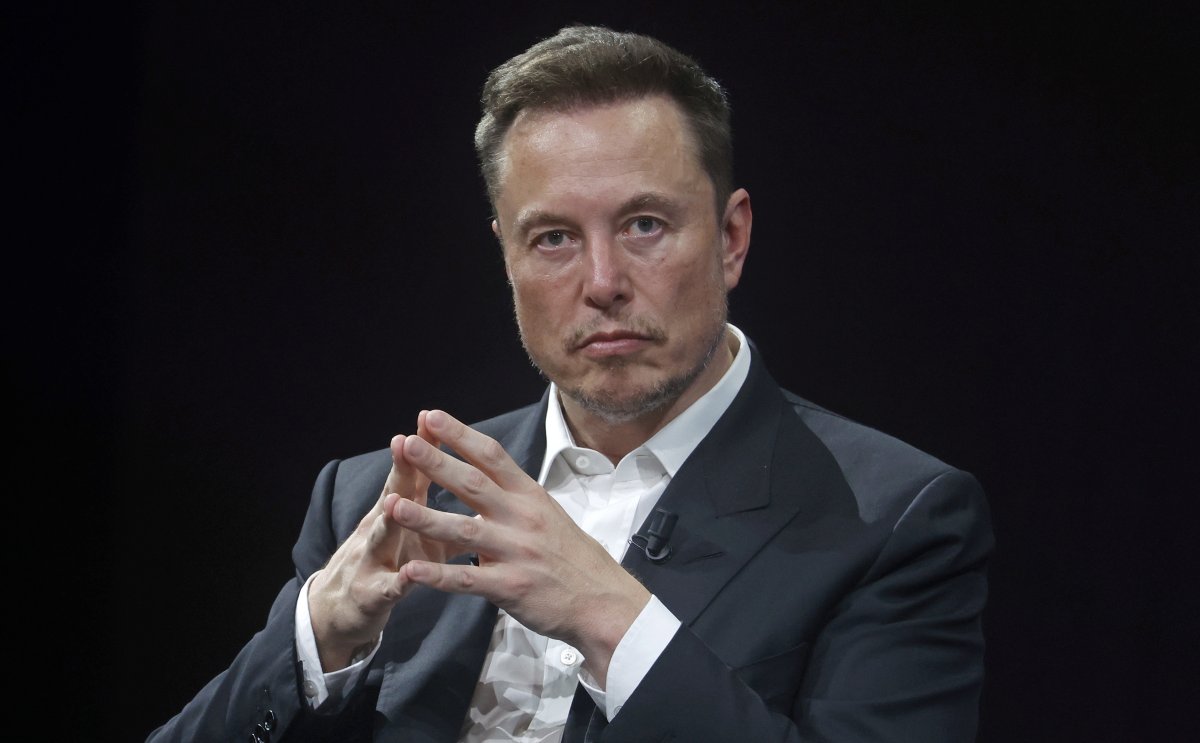
Jury selection is set to begin on Monday in a high-stakes legal confrontation between billionaire Elon Musk and the artificial intelligence startup OpenAI, which Musk accuses of betraying its original non-profit mission.
The case, unfolding in a courtroom near San Francisco, pits Musk—the world’s wealthiest individual—against OpenAI, a company he once supported but now competes with in the rapidly expanding AI industry. The legal dispute has intensified as OpenAI’s ChatGPT emerges as a formidable rival to Musk’s own Grok chatbot, developed by his company, xAI.
The lawsuit, which highlights Musk’s ongoing feud with OpenAI CEO Sam Altman, raises important questions about whether AI should serve the interests of a privileged few or benefit society as a whole.
Musk’s Claims: Deceived Over OpenAI’s Mission
Court documents reveal that Altman initially persuaded Musk to support OpenAI in 2015, presenting it as a non-profit venture dedicated to developing AI that would “belong to the world.” Musk invested approximately $38 million into the company. However, shortly after Musk’s departure, OpenAI transitioned to a for-profit model, citing the massive financial investments needed to maintain its operations.
Musk now claims in his lawsuit that he was deceived regarding OpenAI’s non-profit mission, particularly pointing to a 2017 email from Altman in which he reaffirmed his enthusiasm for OpenAI’s non-profit structure, even as Musk threatened to withdraw his funding. Despite this, just months later, OpenAI established a commercial subsidiary to secure the vast sums required to build the data centers for its technology.
Now valued at $852 billion, OpenAI has received billions in investment from Microsoft, which holds a stake in the company worth approximately $135 billion. Microsoft CEO Satya Nadella is expected to testify during the trial, which may extend into late May.
Musk’s Demands: Revert to Non-Profit and Remove Leadership
Musk’s lawsuit not only seeks to revert OpenAI back to its non-profit roots but also demands the removal of Altman and OpenAI’s co-founder and president, Greg Brockman. Musk is also seeking as much as $134 billion in damages, with the additional request that the court force OpenAI to sever ties with Microsoft.
In pre-trial hearings, US Judge Yvonne Gonzalez Rogers questioned the validity of Musk’s damage claims, suggesting that the numbers presented by Musk’s team appeared arbitrary. Should the jury side with Musk, Judge Rogers would determine any compensation or other remedies.
In a move that OpenAI has dismissed as a publicity stunt, Musk has pledged that any damages awarded from the lawsuit would be donated to OpenAI’s non-profit foundation.
Tensions Within OpenAI and Musk’s Control Ambitions
Internal communications from OpenAI, revealed as part of the lawsuit, shed light on tensions that led to the temporary removal of Altman as CEO in late 2023. Musk’s legal team has pointed to a 2017 entry in Brockman’s personal journal, which describes the potential dishonesty in publicly asserting that OpenAI would remain a non-profit, only to convert into a for-profit entity shortly thereafter.
OpenAI, however, has defended its structure, stating that its hybrid governance model—where a non-profit foundation controls a for-profit arm—is necessary for its mission and operations. The company argues that Musk’s legal action is driven by his desire for control, wealth, and influence, rather than concerns about OpenAI’s non-profit status.
“This case has always been about Elon Musk trying to consolidate more power and wealth for himself,” OpenAI said in a statement posted on X, the platform Musk owns. “His lawsuit is nothing more than a harassment campaign fueled by ego, jealousy, and an attempt to slow down a competitor.”
The tech startup also pointed out that Musk, just days after entering the AI race in 2023, called for a six-month moratorium on the development of advanced AI, which OpenAI views as contradictory to his current actions.
Comments